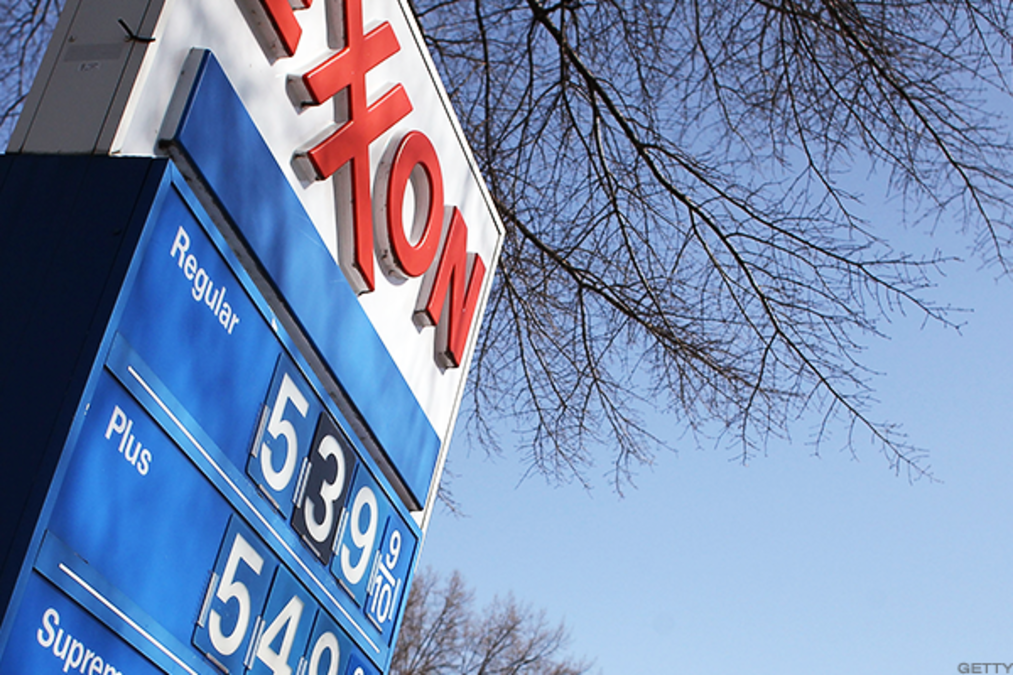
Markets are being driven by persistent geopolitical risk as the U.S. and Iran edge toward only a temporary agreement, keeping oil prices elevated and supply-chain disruption in focus. Maersk warned Strait of Hormuz disruption is adding $500M per month in costs, while retailers and restaurants are showing consumer strain, with McDonald's missing U.S. comp sales and Papa John's reporting a 6.4% North American comp-sales decline. Fortinet raised full-year revenue guidance on stronger cybersecurity demand, and OpenAI's reported acquisition push underscores continued AI investment, but the dominant near-term macro effect is higher energy, inflation, and trade friction.
The cleaner read is not “risk-on from easing geopolitics” but “higher-for-longer input inflation with a lagged demand hit.” If energy and freight stay elevated into summer, the market should expect a second-order squeeze: consumer discretionary volumes soften before margins do, while firms with pricing power and basket expansion can still defend revenue. That argues for relative longs in merchants with membership/necessity characteristics and shorts in low-ticket, traffic-sensitive concepts where promotional intensity erodes unit economics.
The cyber message is more durable than the headline beta suggests. AI is lowering attacker cost curves faster than most buyers can rearchitect defenses, which should extend security budget growth even if broader IT spend stays mixed. Fortinet’s guide-up is a read-through for the whole security stack: vendors with platform breadth and clear ROI should keep taking wallet share from point solutions, while enterprise software names pitched as “AI orchestration” may face pressure if model providers begin bundling implementation services and grabbing the services margin themselves.
The biggest underappreciated risk is timing mismatch. Oil-related inflation is immediate, but spending deterioration and margin resets hit with a multi-quarter lag, so consensus may still be too complacent on Q2/Q3 consumer earnings. If jobless claims or consumer credit weaken while unit labor costs stay sticky, the market could rapidly rotate from “inflation hedge” to “recession hedge,” which would punish cyclicals and reward quality balance sheets and defensive cash conversion.
AI-powered research, real-time alerts, and portfolio analytics for institutional investors.
Request DemoOverall Sentiment
mildly negative
Sentiment Score
-0.15
Ticker Sentiment
