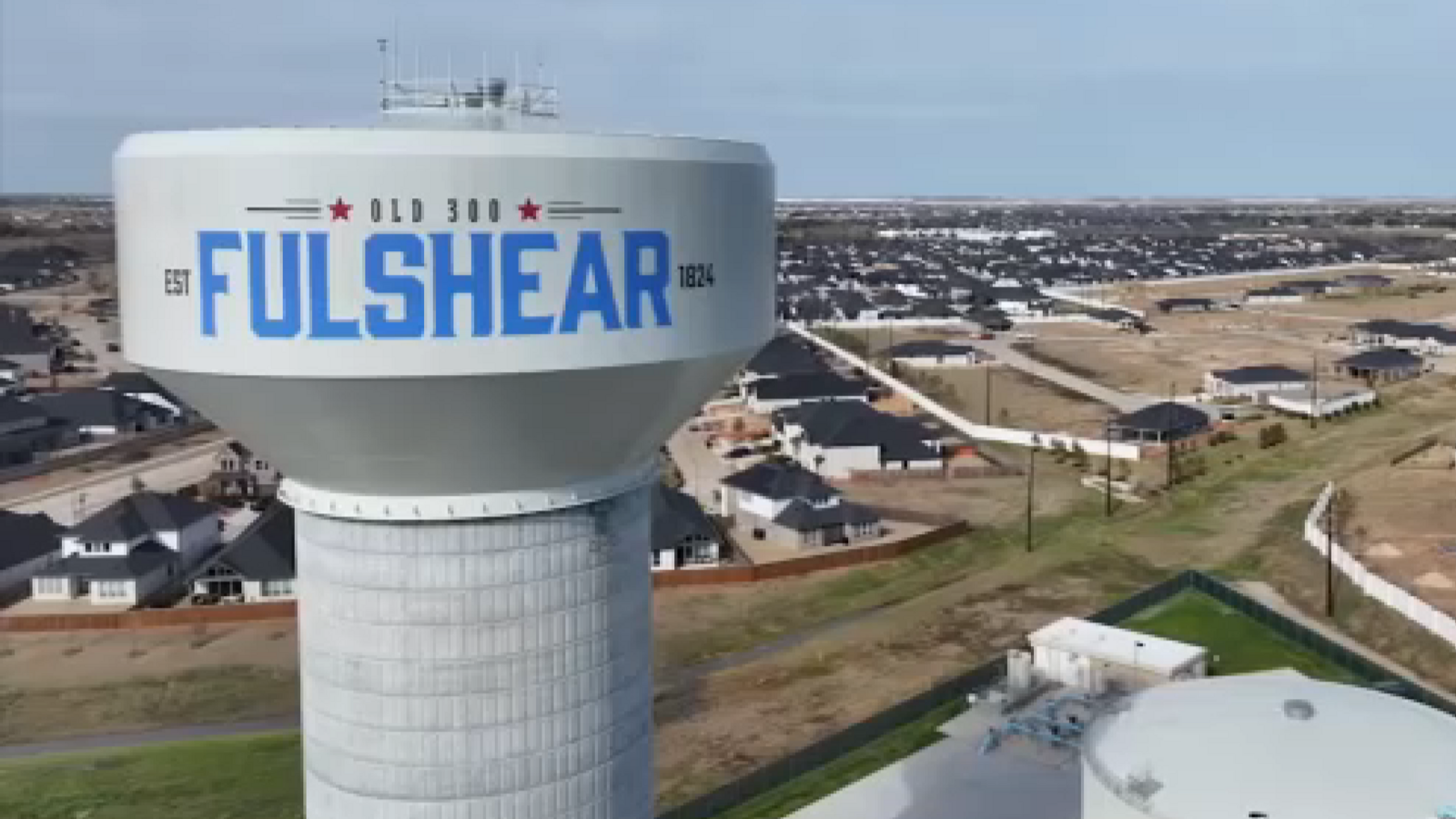
U.S. Census estimates show the fastest city growth concentrated in Texas, with Celina, Fulshear, Princeton, Melissa and Anna posting year-over-year gains of roughly 15% to 25% from mid-2024 to mid-2025. In absolute terms, Celina added 12,700 residents, while major Southern cities dominated numeric population gains and Texas expanded its footprint among the nation’s largest cities. The article also highlights population declines in tight-housing and disaster-hit markets such as Key West, Twentynine Palms, Asheville and several Florida Gulf Coast cities.
The key market implication is not “Texas growth” per se, but a reallocation of capital expenditure toward fast-growing suburban nodes where municipal services lag household formation. That tends to benefit local infrastructure contractors, water/wastewater, electrical distribution, and school-related capex long before it shows up in broad home-price appreciation. The second-order winner is land-bank owners and homebuilders with inventory control in the outer rings of DFW and Houston; the loser is the legacy core of the same metros if affordability and congestion push incremental demand outward rather than inward. The more important risk is that this growth is self-limiting if utilities, roads, and public safety cannot scale fast enough. Over a 6-18 month horizon, any visible deterioration in commute times, school capacity, or insurance costs can slow absorption and compress margins for builders that are relying on rapid lot turnover. A related tail risk is that population growth is being supported by a favorable affordability gap that can close quickly if mortgage rates stay elevated while local property taxes and premiums rise. Contrarian angle: the market may already be overpricing the simple “sunbelt winner” trade while underpricing the infrastructure bottleneck. Rapid in-migration without matching utility expansion usually creates a temporary surge in engineering, materials, and muni borrowing demand, followed by a normalization once the backlog clears. If the growth wave persists, the cleaner trade is not broad Texas exposure, but names tied to capacity expansion and distribution, not raw land speculation. The biggest negative surprise would be a policy or macro shock that slows domestic mobility: higher-for-longer rates, a housing affordability reset, or a further deceleration in immigration that reduces labor supply for construction and services. That would hit the very suburbs now attracting growth, because their model depends on cheap credit, abundant labor, and continued willingness to commute farther for lower housing costs.
AI-powered research, real-time alerts, and portfolio analytics for institutional investors.
Request DemoOverall Sentiment
neutral
Sentiment Score
0.00
