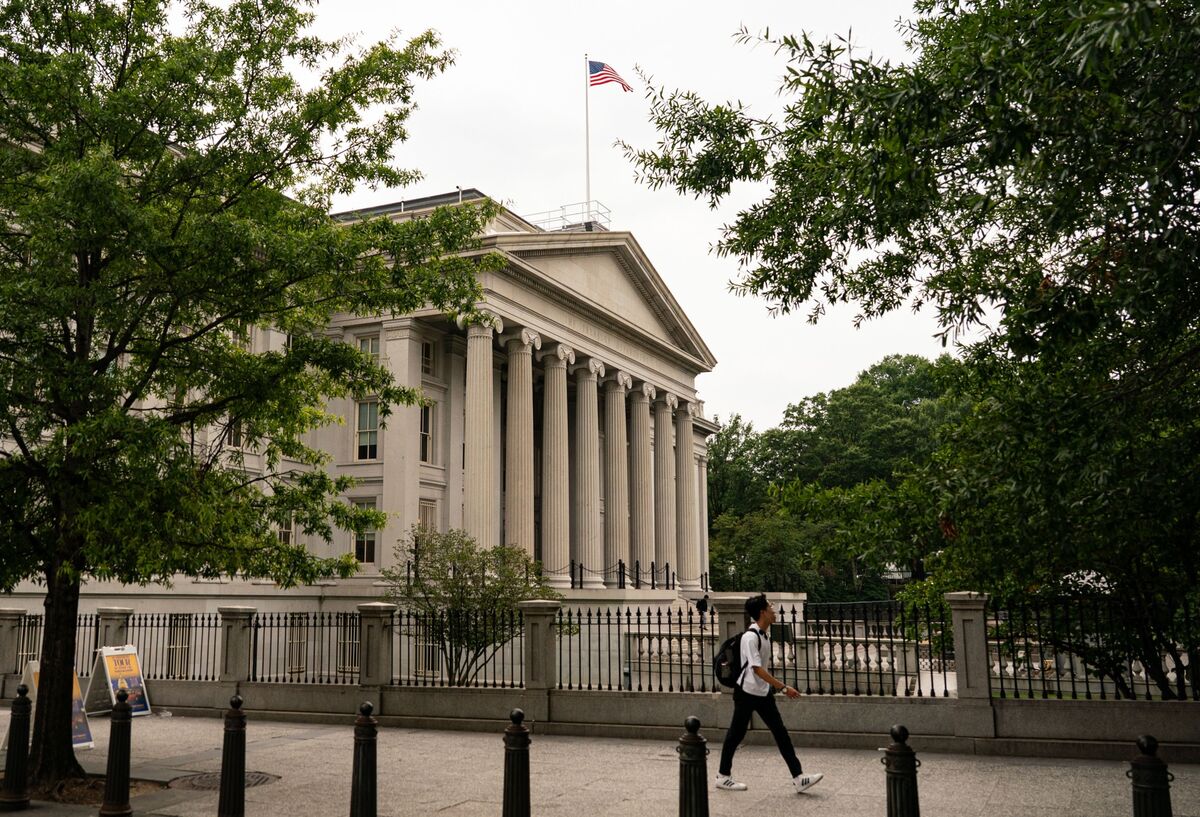
The US Treasury said it sent warning letters to two Chinese banks over potential secondary sanctions if they are found supporting transactions tied to Iran. Treasury Secretary Scott Bessent said the banks could face sanctions if Iranian money is proven to be flowing through their accounts. The headline is negative for the named institutions and reinforces broader sanctions risk across Chinese banking exposure to Iran.
This is less about Iran-specific enforcement and more about the US testing whether it can raise the cost of dollar-clearing for mid-tier Asian banks without triggering broad financial contagion. The first-order market impact is limited, but the second-order effect is meaningful: even a small probability of secondary sanctions forces Chinese banks to tighten correspondent relationships, increase screening, and potentially reduce trade finance capacity for counterparties with Middle East exposure. That tends to pressure the marginal channel first, not the headline institutions, and can create a short-lived liquidity premium in cross-border funding.
The more important read-through is to sanctioned-shipping, commodity intermediaries, and smaller regional lenders that rely on opaque trade flows. If compliance teams react aggressively, you can get dislocation in oil, petrochemical, and dual-use logistics chains before any actual designation occurs, especially over the next 1-3 months. The US also gains optionality: by issuing warning letters first, Treasury preserves the ability to escalate later, which keeps the threat live and raises the expected cost of facilitating restricted flows.
Contrarian angle: the market may underappreciate how effective letter-grade pressure can be when the target’s real vulnerability is access to US dollar plumbing, not capital adequacy. If Chinese banks quietly route around the exposure, the headline risk fades quickly; if they don’t, the enforcement path can broaden into a wider de-risking cycle that is more negative for Asian trade finance than for Chinese megabanks. The setup favors owning volatility around any future designation rather than making a big directional macro bet today.
AI-powered research, real-time alerts, and portfolio analytics for institutional investors.
Request TrialOverall Sentiment
mildly negative
Sentiment Score
-0.15
