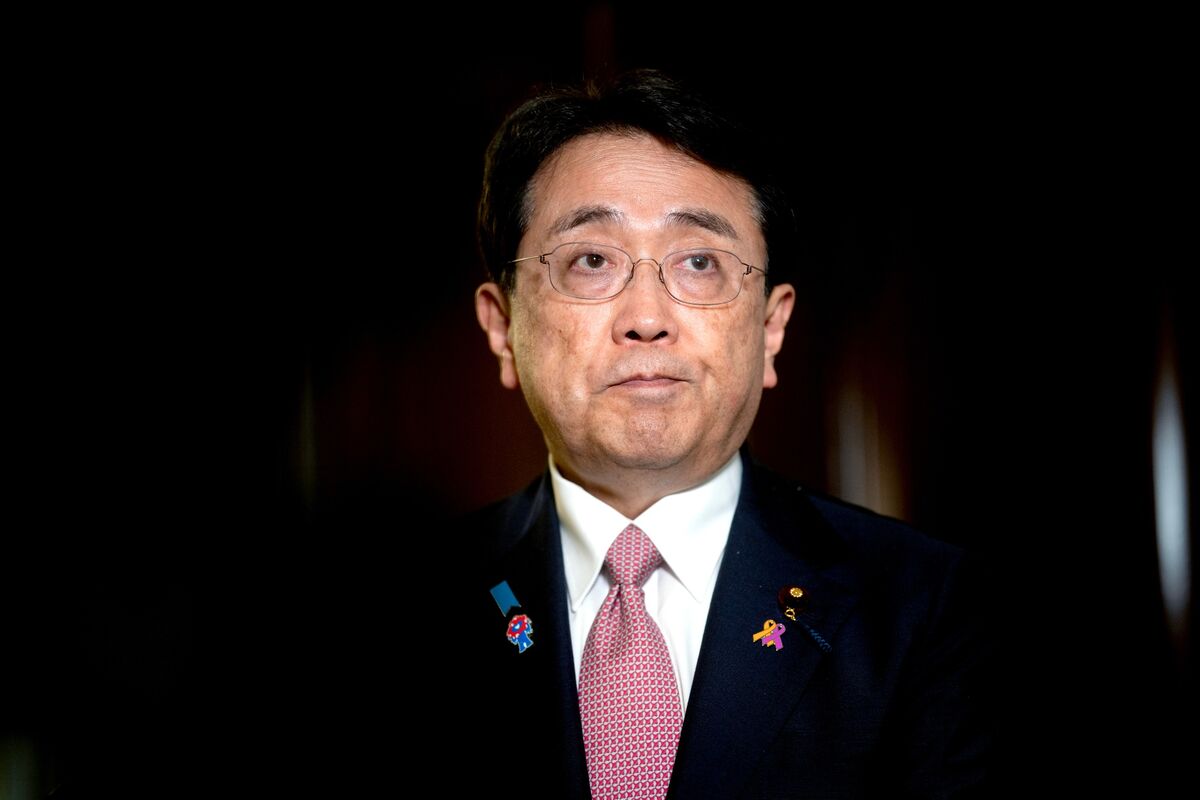
Japan's top trade negotiator, Ryosei Akazawa, anticipates a trade agreement with the U.S. that will exempt Japan from potential increases in automobile tariffs, even if the U.S. imposes higher tariffs on other countries. Akazawa's statement comes as he departs for a sixth round of trade negotiations with U.S. counterparts in Washington, signaling confidence in securing preferential treatment for Japan within a bilateral deal.
Japan's chief trade negotiator, Ryosei Akazawa, has expressed confidence that an upcoming bilateral trade agreement with the United States will shield Japanese automotive exports from potential increases in US tariffs, even if such levies are applied to other nations. This expectation of 'special treatment' for Japan, articulated as Akazawa departed for the sixth round of trade discussions in Washington, signals a potentially significant de-escalation of trade friction for a key sector, particularly relevant given the themes of Tax & Tariffs and Trade Policy & Supply Chain. The development, viewed with moderately positive sentiment (score 0.5) and carrying a moderate market impact score (0.6), could alleviate concerns regarding tariffs and supply chain disruptions for Japanese automakers, a critical component of the nation's export economy within the Automotive & EV theme. This prospective deal highlights a targeted approach in US trade policy, potentially creating divergent outcomes for different trading partners within the global automotive industry.
AI-powered research, real-time alerts, and portfolio analytics for institutional investors.
Request DemoOverall Sentiment
moderately positive
Sentiment Score
0.50
