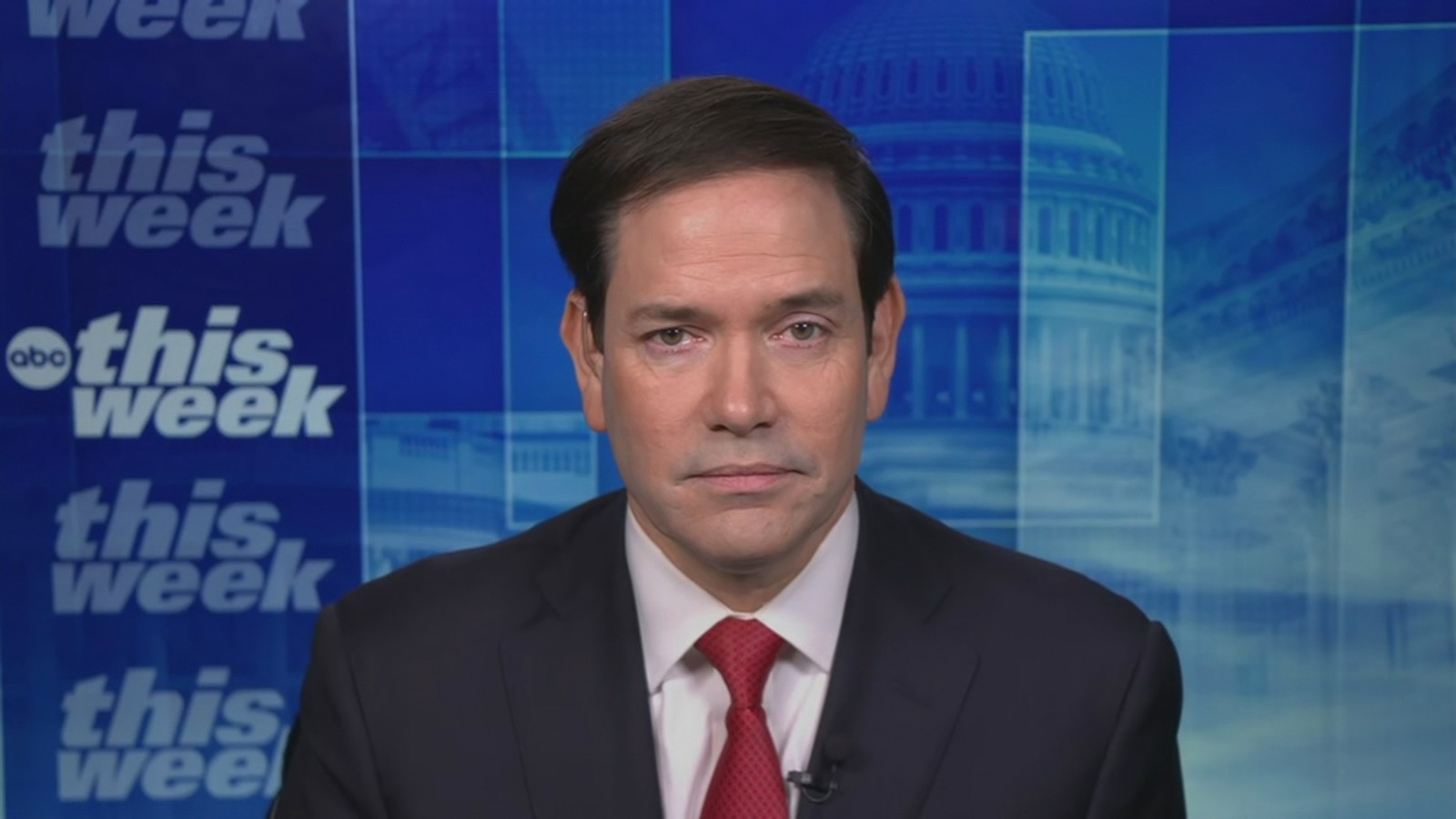
U.S. forces reportedly arrested and deposed Venezuelan President Nicolás Maduro, and Secretary of State Marco Rubio said the U.S. is 'running the direction' of the situation, including imposing a quarantine on Venezuelan oil and seizing sanctioned vessels. The administration does not recognize Vice President Delcy Rodríguez, is keeping prior options on the table, and contends congressional authorization was unnecessary due to operational exigency; the actions raise immediate geopolitical risk, potential disruptions to Venezuelan oil flows, and heightened legal and emerging-market uncertainty for investors.
Market structure: A U.S.-led quarantine/seizure regime lifts pricing power to non-sanctioned crude suppliers and benefits liquid tanker owners, war-risk insurers and U.S. integrated producers. If Venezuelan exports are curtailed by ~300–700 kb/d, expect a 2–10% lift in Brent/WTI in the first 2–8 weeks and upward pressure on tanker rates (BDTI) by 20–50%. Refiners dependent on heavy/sour crude and regional buyers (Caribbean, India) are immediate losers; operations/insurance costs rise for shippers and charterers.
Risk assessment: Tail risks include regional military escalation, retaliatory attacks on shipping or energy infrastructure, or legal/constitutional blowback that amplifies market volatility; low probability but >$10/bbl and >100 bps EM sovereign spread shocks. Immediate (days): oil/gold spike, EM FX weakness; short-term (weeks–months): rerouting of flows and higher shipping premiums; long-term (quarters+): reconfiguration of trade partners if sanctions persist. Hidden dependencies: refinery slate flexibility, war-risk premium pass-through, and US court rulings that could suddenly free or block cargoes.
Trade implications: Favor tactical long energy and shipping exposure via liquid, hedged instruments while protecting EM credit exposure. Use options to express directional oil risk with defined loss (3-month Brent call spreads) and take 1–3% tactical positions in XOM/CVX and STNG for 3–6 months. Reduce outright EM sovereign duration and use EMB-protective puts to hedge a 50–150 bps widening scenario.
Contrarian angles: The market may overstate supply loss—Venezuela’s usable exports are already depressed, so spikes could mean-revert in 6–12 weeks as buyers source elsewhere (Saudi/Russia/Iran). Prefer volatility and calendar spreads (sell front-month, buy 3–6 month) over outright long futures. Unintended consequence: prolonged U.S. control could push buyers into long-term contracts with Russia/Iran, permanently lowering marginal price support for U.S. producers.
AI-powered research, real-time alerts, and portfolio analytics for institutional investors.
Request DemoOverall Sentiment
moderately negative
Sentiment Score
-0.40
