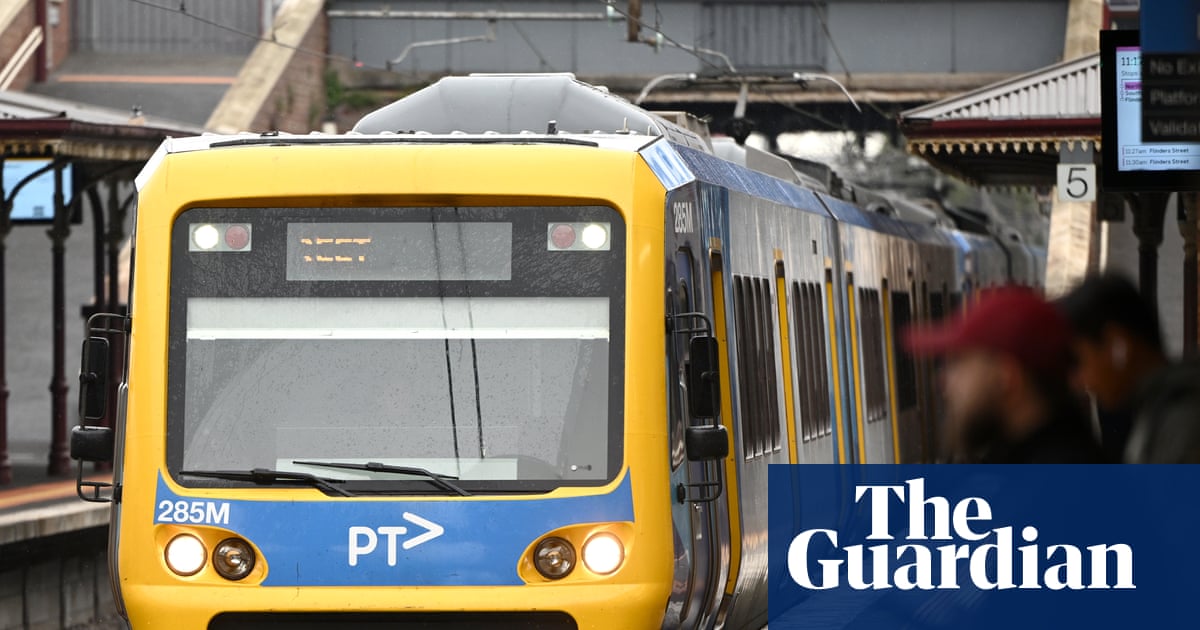
Victoria will make metro and regional trams, trains and buses free from 31 March until 30 April, a temporary measure costing about $71m in forgone revenue; Tasmania will run free buses and Derwent River ferries from 30 March until 1 July, with estimated commuter savings of $20–$88 per week. NSW and Western Australia have rejected similar measures, citing longer-term fiscal prudence and already-low fares respectively. The measures respond to an energy shock from the war in the Middle East that has driven petrol/diesel prices and weekly household petrol bills up by roughly $20+ since late February.
A patchwork of short-term, state-level interventions creates concentrated, asymmetric demand shocks rather than a smooth national shift away from liquid fuels. Expect localized volume losses at urban forecourts and convenience retail in the weeks following implementation, with cross-border sites and suburban high-turnover pumps most exposed; wholesale fuel margins will be the first to feel the change as throughput volatility raises working capital needs for refiners and distributors.
Transit operators and contractors face a two-sided outcome: a one-off patronage surge that pressures operational capacity and opex, but also political cover to secure incremental service contracts and capital funding. Large regulated concessionaires with indexed revenue streams or availability payments are better insulated than independent farebox-reliant operators — that favors balance-sheet-strong suppliers and contract-heavy engineering firms over smaller operators.
If the energy shock persists beyond a few months, it materially accelerates durable shifts: faster urban mode substitution, higher marginal economics for EVs, and earlier fleet electrification for commercial operators. This is a multi-quarter to multi-year amplifier for battery metals, EV supply-chain equities and equipment suppliers, while creating sustained headwinds for refiners, fuel retailers and urban parking/airport car-park operators.
Key risks: consumer inertia and partial adoption (NSW/WA resistance) can mute the impact, and oil-price mean reversion would quickly unwind the chain of causality. Watch crude-forward curves and state fiscal statements on a 2–12 week cadence; political reversals or explicit federal relief packages are the primary catalysts that would neutralize the asymmetric regional effects.
AI-powered research, real-time alerts, and portfolio analytics for institutional investors.
Request DemoOverall Sentiment
neutral
Sentiment Score
0.00
