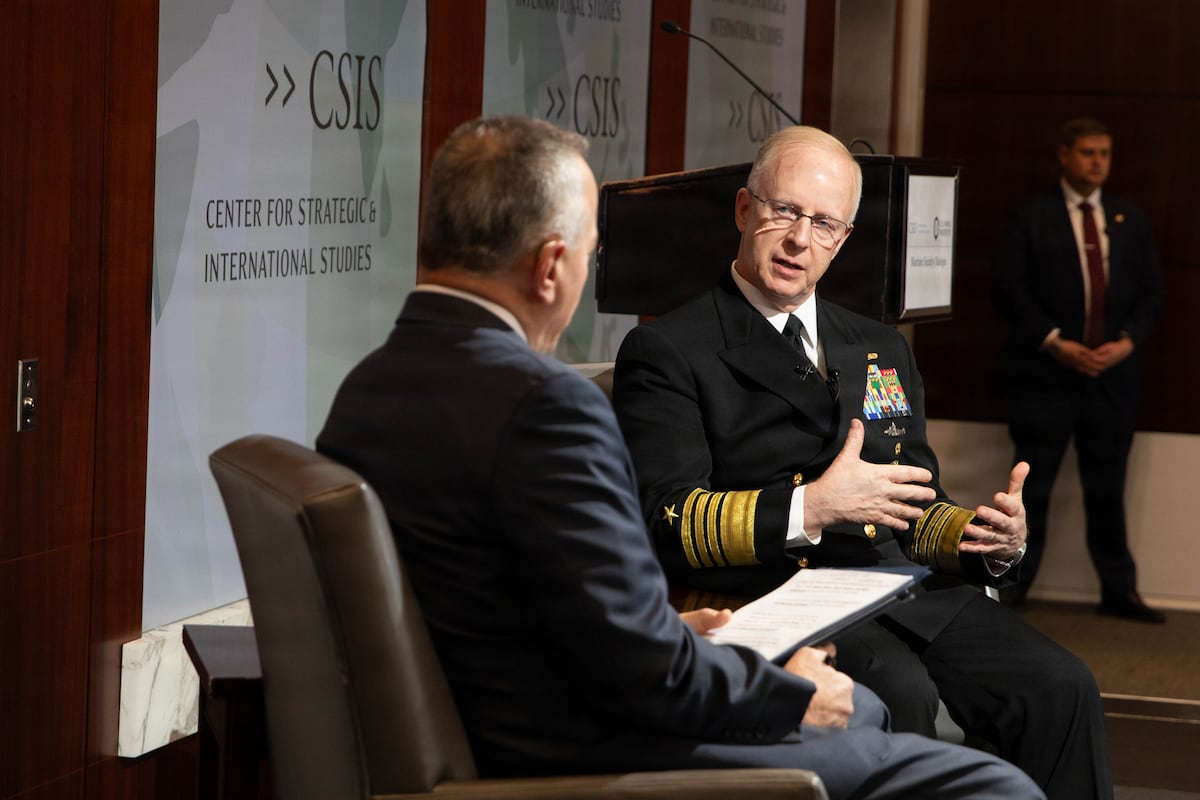
Three Independence-class littoral combat ships with mine-countermeasures (MCM) packages replaced four Avenger-class minesweepers after the 2025 decommissioning. The CNO defended the LCS MCM capability as effective, but the Pentagon's Office of the Director, Operational Test & Evaluation (Mar 13, FY2025) found the MH-60S counter-mine systems had low reliability and the LCS unmanned surface vehicle was 'not operationally suitable'. The Navy retains four Avenger-class ships in Sasebo, Japan and 28 MH-53E Sea Dragons remain in service, highlighting reliance on legacy platforms and allied/expeditionary options while LCS aluminum hulls limit operations inside mine fields.
The near-term shock to naval mine-countermeasure (MCM) demand creates outsized opportunity for systems and sustainment vendors that deliver unmanned, expendable, and low-signature payloads. Expect multi-year follow‑on revenue from sensor suites, command-and-control integration, and spare parts rather than single-platform wins; software-defined mission packages and remote vehicle fleets scale revenue faster and with higher gross margins than new hull construction.
Operational gaps increase the value of rapid-deploy expeditionary capabilities and allied interoperability work: contractors that already field common open-architecture control systems will capture more retrofit and international partner-COTS work within 6–24 months. Conversely, capital‑intensive shipyards face lumpy award timing and political risk that compresses near-term returns even if long-term procurement rises.
Catalysts to watch are binary and time-concentrated: a credible mine incident in a choke point would likely trigger emergency supplemental funding within weeks and contract awards within 3–9 months, while negative test reports or program failures could push funding into longer, multi-year sustainment projects instead. Tail risks include rapid de-escalation diplomacy or a stretched budget environment that redirects money to higher-visibility platforms; both would delay upside for MCM specialists by 12–36 months.
Contrarian read: the market is underpricing recurring service and fleet‑management revenues (training, spare parts, mission-package upgrades) relative to headline shipbuilding headlines. Positioning in software‑centric defense names gives quicker, higher-conviction exposure to rising MCM demand versus betting on new-ship construction cycles that are politically and logistically slower to monetize.
AI-powered research, real-time alerts, and portfolio analytics for institutional investors.
Request DemoOverall Sentiment
mixed
Sentiment Score
-0.05
