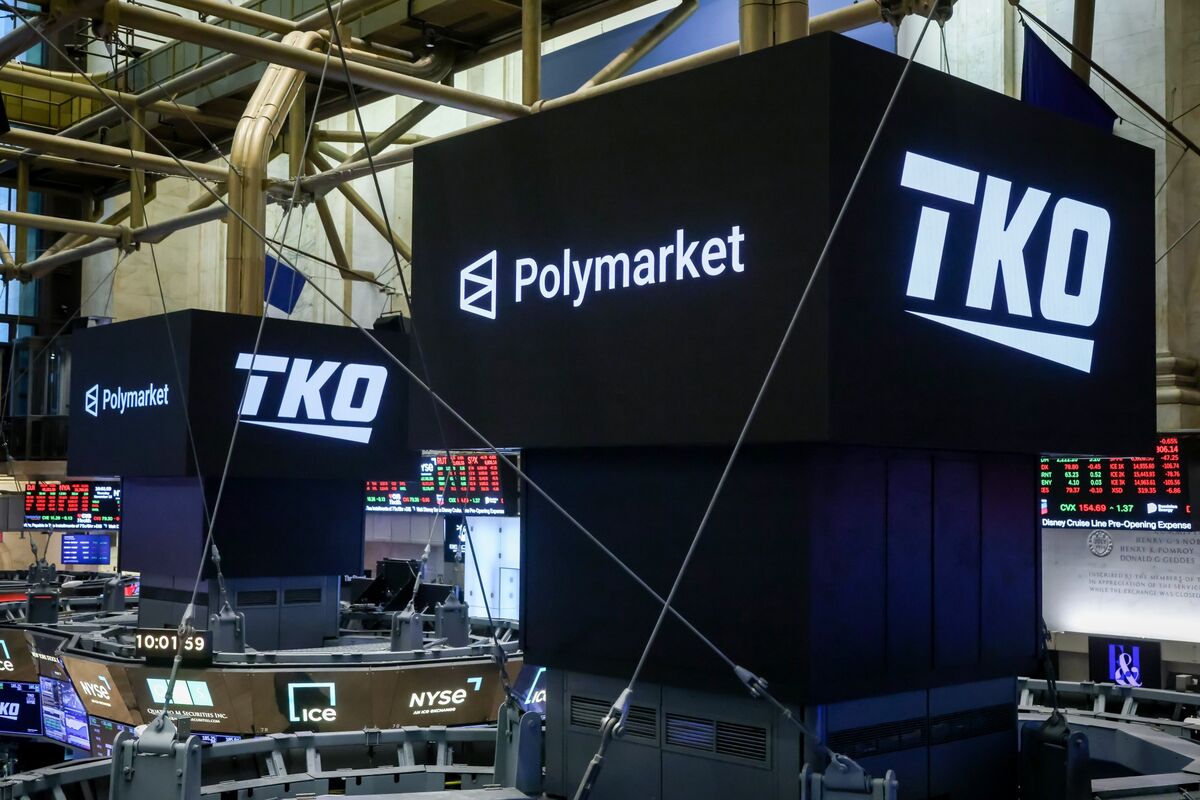
Polymarket, a New York-based prediction market startup, is recruiting traders — including sports bettors — to staff an internal market-making unit that would trade against customers on its exchange. The move echoes a contested feature at a chief rival and raises potential conflicts of interest and regulatory and reputational risks for Polymarket, which could affect user trust and invite scrutiny despite potential benefits for liquidity and spreads.
Market structure: Polymarket building an in-house market maker likely tightens spreads and raises quoted liquidity short-term, which benefits high-frequency traders and reduces explicit price slippage for large bettors; expect spread compression of 10–30% on high-turnover contracts and a 5–20% reallocation of volume within 3–12 months toward venues perceived as deeper. Losers are reputation-sensitive retail flows and rival venues that marketed neutrality; if customers perceive adverse selection, volume could fall 10%+ quickly.
Risk assessment: Key tail risks are regulatory (CFTC/SEC inquiry or fines) and governance (insider-advantage litigation) that could force structural change within 30–90 days; a regulatory action could inflict >10–20% market-cap-equivalent damage on comparable crypto-listed firms. Short-term (days–weeks) expect elevated volatility and information flow; medium-term (3–12 months) anticipate customer migration to decentralized AMMs and longer-term (1–3 years) consolidation of platform models.
Trade implications: Tactical plays favor DeFi/AMM infra (beneficiaries of migration) vs centralized-exchange/friction-sensitive equities. Use volatility trades on related exchange equities to express regulatory fear, and consider liquidity-provision strategies on Uniswap V3-style pools where fee capture can exceed expected loss if spreads tighten. Rebalance often and size positions small (1–3% each) until regulatory clarity.
Contrarian view: Consensus overlooks that an internal MM can be a positive P&L engine if properly screened — upside to platform revenues could be 5–15% annually if flow doubles and fees/retained spread are monetized. Watch for mispricings: if market prices any of COIN/crypto-exchange equities down >15% on headlines without formal enforcement, that is a window to fade the panic.
AI-powered research, real-time alerts, and portfolio analytics for institutional investors.
Request DemoOverall Sentiment
mildly negative
Sentiment Score
-0.25
