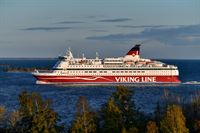
Viking Line will dry-dock Viking Grace for refurbishment from January 6, 2026 (taken out of service 06:30 after arrival in Stockholm) returning to service January 29, 2026 (departure Stockholm 07:45). To maintain service on the Turku–Mariehamn–Stockholm route, Viking Glory will operate evening departures from Turku and Gabriella will cover morning departures (Gabriella to resume Helsinki service January 30, departure Stockholm 16:30), with a special “Day in Stockholm” itinerary on January 28–29. The temporary changes include enhanced onboard entertainment (notably a slate of Finnish artists aboard Glory) and cabin promotions on Gabriella, indicating operational continuity and a potential short-term boost to passenger demand during the dry-dock period.
Market structure: The temporary redeployment (Jan 6–29, 2026) preserves overall capacity but shifts higher-margin evening entertainment demand to Viking Glory and morning leisure demand to Gabriella — a net win for operators who monetize onboard retail/entertainment. Regional ferry peers (Tallink, DFDS) and suppliers to shipboard retail/entertainment should experience a modest positive demand signal (+1–5% ancillary revenue on similar sailings) while operators with fixed Helsinki schedules bear short-term rebooking/friction costs. Pricing power rises for evening sailings in Turku for the dry-dock window; expect selective fare increases or dynamic yield capture on 10–20% of seats for weekend dates.
Risk assessment: Tail risks include a dry-dock delay >7–14 days causing capacity shortfalls and reputational loss, severe winter storms cancelling sailings, or crew/port strikes—each could swing weekly revenues by 20–50% on affected routes. Immediate impact (days) is operational; short-term (weeks) affects revenue management and cancellations; long-term (quarters) affects brand loyalty and seasonality adjustments. Hidden dependencies: crew rostering across lines, insurance and fuel (bunker) exposures, and artist-driven demand that is weather-sensitive. Key catalysts: weather between Jan 6–29, ticket sell-through by Jan 1, and any official dry-dock delay announcement.
Trade implications: Tactical, sized small (1–3% portfolio): overweight regional ferry plays and onboard retail suppliers; underweight/hedge Nordic airlines/higher fixed-cost operators during Jan winter leisure substitution. Option plays: buy Jan/Feb call spreads on Tallink (TLG1T) and DFDS (DFDS.CO) to capture 4–10% seasonal uplift with capped downside. Use pair trades (long TLG1T, short SAS.ST) for relative exposure to ferry vs short-haul airline substitution risk; exit post-Feb 5 or on achievement of +8–12% gains.
Contrarian angles: The market underrates ancillary entertainment revenue (food, retail, casino) which can be 15–25% of ticket revenue on evening cruises — short-term uplift is underpriced. Conversely, optimism is easily reversed by a single operational hiccup; implied option vols for regionals are often low in December so buying calls is likely underpriced insurance. Historical parallels (previous dry-dock vessel swaps) show 1–3 week noise then reversion; treat positions as event-driven, not structural long-term convictions.
AI-powered research, real-time alerts, and portfolio analytics for institutional investors.
Request DemoOverall Sentiment
mildly positive
Sentiment Score
0.30
