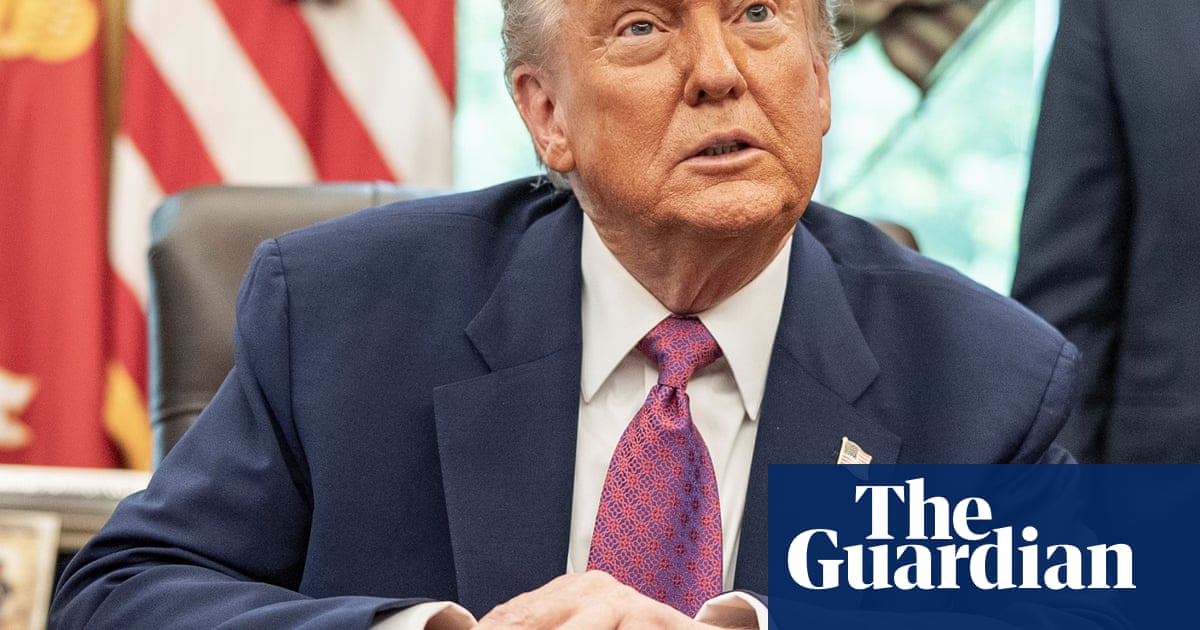
President Trump has endorsed a US-China trade deal reached in London, pending final approval from Xi Jinping, that aims to increase China's supply of rare earth minerals and magnets to the US automotive industry. The deal includes a total tariff of 55% on Beijing, comprised of existing and reciprocal tariffs, and facilitates Chinese students' access to US colleges in exchange for easing restrictions on rare earth exports for six months. This agreement follows a previous Geneva pact that faltered due to China's curbs on critical mineral exports, and comes as the US car industry faced potential production halts due to magnet supply shortages; however, economists anticipate the Federal Reserve will likely hold off on interest rate cuts amid trade policy uncertainty.
A US-China trade deal framework, endorsed by President Trump and awaiting final approval from President Xi Jinping, aims to secure increased US access to Chinese rare earth minerals and magnets, critical for sectors like automotive, electronics, and defence. This agreement, reached in London, includes a temporary six-month easing of China's rare earth export restrictions and facilitates Chinese student access to US colleges, against a backdrop of a reported 55% total tariff on Chinese goods – clarified as a sum of existing and new levies (a 10% baseline "reciprocal" tariff, a 20% fentanyl trafficking levy, and a 25% pre-existing tariff on China), not a fresh escalation from a prior 30% truce rate. The deal intends to revive a stalled Geneva pact, addressing acute supply shortages that threatened US automotive production due to China's earlier export curbs, which were a response to US-initiated trade actions. However, the deal's durability is subject to final ratification and historical precedents of US withdrawal from agreements. This development occurs as US May CPI rose to 2.4% annually, above the Federal Reserve's 2% target, with major retailers and manufacturers like Walmart, Best Buy, Ford, and Procter & Gamble indicating tariffs will likely translate to higher consumer prices. Despite presidential calls for substantial interest rate cuts, economists project the Federal Reserve will maintain its current policy stance at its upcoming meeting, citing underlying economic strength and persistent trade policy uncertainty.
AI-powered research, real-time alerts, and portfolio analytics for institutional investors.
Request DemoOverall Sentiment
moderately positive
Sentiment Score
0.35
Ticker Sentiment
