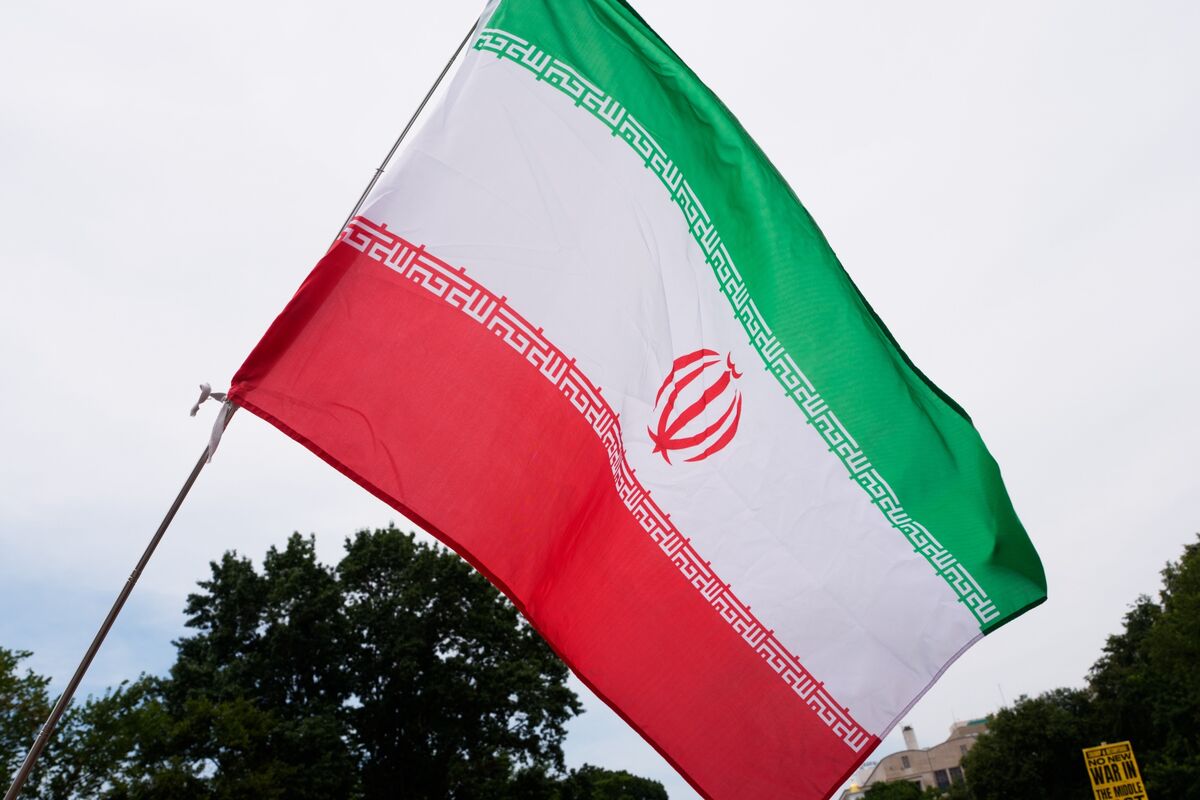
Iran's regime is at a critical juncture, facing internal discontent over the IRGC's failed aggressive foreign policy and deteriorating economic conditions, a stark contrast to the past popularity of figures like Qassem Soleimani. While a widespread popular uprising is unlikely, the aging Supreme Leader Ali Khamenei's government must navigate intense domestic and external pressures. The two primary trajectories are a tactical internal recalibration, involving limited nuclear concessions for sanctions relief and a more defensive foreign posture, or a more probable doubling down on nuclear armament coupled with increased domestic repression. For international actors, particularly the US and its allies, the immediate challenge is preventing Iran's withdrawal from the NPT and expulsion of IAEA inspectors, as diplomatic failure risks further military escalation and heightened regional instability.
The Iranian regime is navigating a critical juncture defined by collapsing domestic support and a strategic foreign policy failure. The former popularity of figures like Qassem Soleimani, who was perceived as keeping conflict away from Iran, has inverted; his successors in the IRGC are now blamed for provoking direct military strikes from Israel and the US. This aggression has occurred against a backdrop of severe economic decline, where US sanctions have decimated living standards and caused soaring inflation, while paradoxically enriching the IRGC through its control over illicit trade. The regime faces two primary paths forward. The first, a tactical recalibration, would involve limited concessions on its nuclear program in exchange for sanctions relief, a more defensive foreign posture, and a slight easing of domestic repression to ensure survival. The second, and reportedly more likely, path is a hardline pivot toward accelerated nuclear weapons acquisition and intensified internal crackdowns, driven by paranoia over foreign intelligence penetration. While a popular uprising is considered unlikely due to the regime's powerful security apparatus and public fear of state collapse, the immediate geopolitical risk is acute. The primary challenge for Western powers is preventing Iran's withdrawal from the Nuclear Non-Proliferation Treaty and the expulsion of IAEA inspectors, as a diplomatic failure would almost certainly trigger further military escalation and a regional nuclear arms race.
AI-powered research, real-time alerts, and portfolio analytics for institutional investors.
Request DemoOverall Sentiment
strongly negative
Sentiment Score
-0.60
