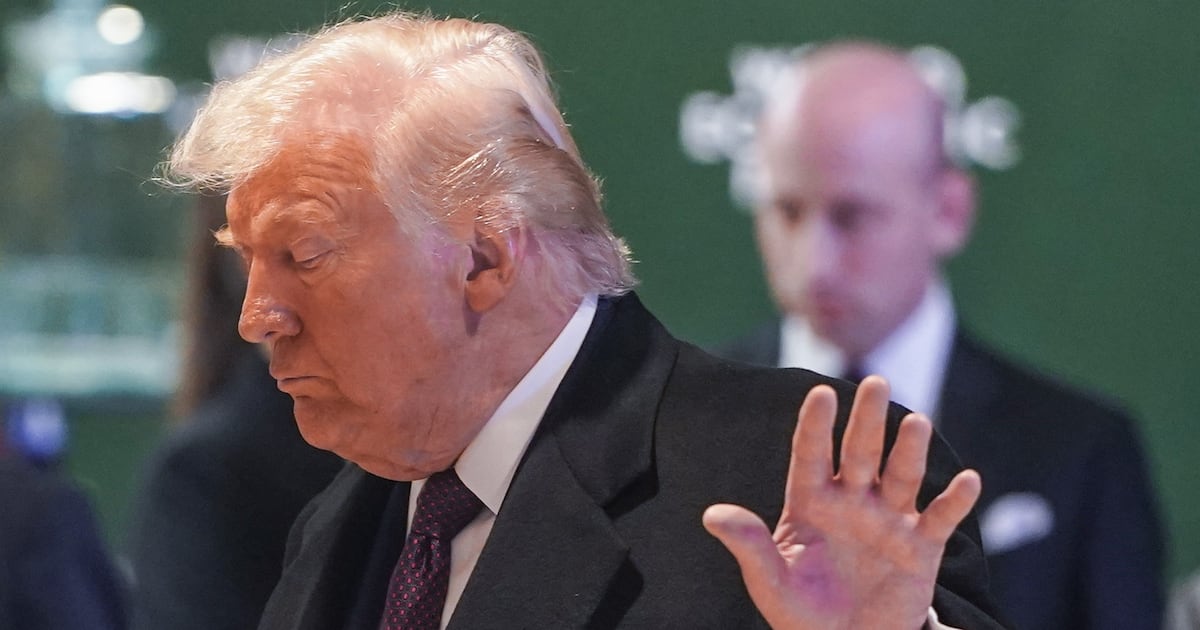
President Trump publicly criticized Federal Reserve Chair Jerome Powell for not cutting interest rates and demanded substantially lower rates, arguing tariff revenues should allow the U.S. to pay the lowest rates globally. Trump repeated claims that Powell is inflating U.S. interest expense despite Powell’s statements that inflation has only inched toward target and his recent video defending rule of law amid a DOJ criminal inquiry into Fed headquarters renovations. The episode increases political pressure on the Fed and raises governance and policy-risk considerations for fixed-income markets and interest-rate sensitive strategies, though it does not provide new data-driven justification for an immediate change in policy.
Market structure: Public attacks on the Fed increase political risk premium rather than changing policy immediately; expect a 10–30bp rise in the 10y term premium over 1–3 months if rhetoric escalates, benefiting short-duration cash and hurting long-duration bonds and rate-sensitive growth stocks. Winners: domestic cyclical/industrial names with pricing power (materials, industrials) if tariffs persist; losers: highly leveraged tech and long-duration growth names that are sensitive to higher real yields.
Risk assessment: Tail risks include DOJ action against Fed leadership or a sudden executive push for rate cuts that forces market repricing (low-probability, high-impact), which could trigger 5–10% equity gap moves and +30–50bp swings in 2s10s within days. Near term (days): volatility spikes around headlines; short term (weeks–months): elevated term premium and measured volatility; long term (quarters+): persistent uncertainty could raise firms’ cost of capital by 25–75bp.
Trade implications: Favor trimming long-duration exposure and buying short-duration/real‑assets hedges while purchasing limited-duration equity downside protection (6–12 week put spreads). Cross-asset: expect USD volatility; commodities (gold, base metals) as asymmetric hedges if political pressure morphs into trade action; options on rates and equity indices to monetize spikes.
Contrarian angles: Consensus overstresses immediate Fed capitulation—history shows Fed follows data not tweets; this makes short-dated volatility trades and steepeners attractive when headlines cool. Mispricings will appear in long-duration winners (TLT) which may be oversold on headline risk and mean-revert once data (CPI, payrolls) reaffirm Fed stance in 4–8 weeks.
AI-powered research, real-time alerts, and portfolio analytics for institutional investors.
Request DemoOverall Sentiment
mildly negative
Sentiment Score
-0.30
