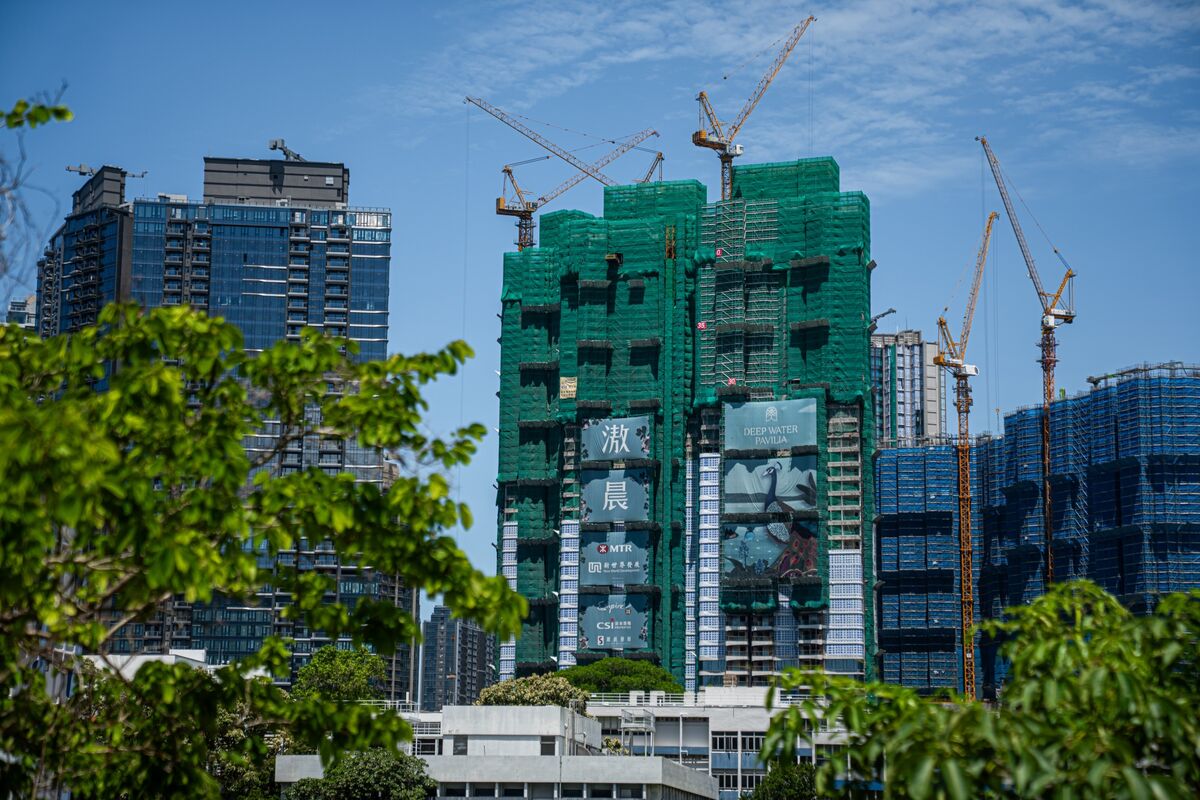
Hong Kong real estate giant New World Development Co. is poised to finalize a record $11 billion refinancing deal after protracted negotiations. Lenders reportedly agreed to the package, driven by concerns that a failure to secure the financing could have triggered a broader crisis within the city's already fragile property market, thereby averting a potentially systemic shock.
New World Development Co. is set to finalize a landmark $11 billion refinancing package, a development driven more by systemic risk aversion than by lender confidence. The monthslong negotiations culminating in this deal underscore the severe liquidity pressures facing the Hong Kong real estate giant. According to the report, the primary motivator for lenders was the fear that a failure to secure the financing would trigger a broader crisis in Hong Kong's already fragile property market. This suggests the arrangement is a crucial, albeit forced, measure to maintain stability, providing a significant liquidity backstop for a key market player. While the deal averts an immediate credit event, it also highlights the profound fragility and high leverage that characterize the sector, indicating that underlying market weaknesses persist despite this short-term solution.
AI-powered research, real-time alerts, and portfolio analytics for institutional investors.
Request DemoOverall Sentiment
mixed
Sentiment Score
0.10
