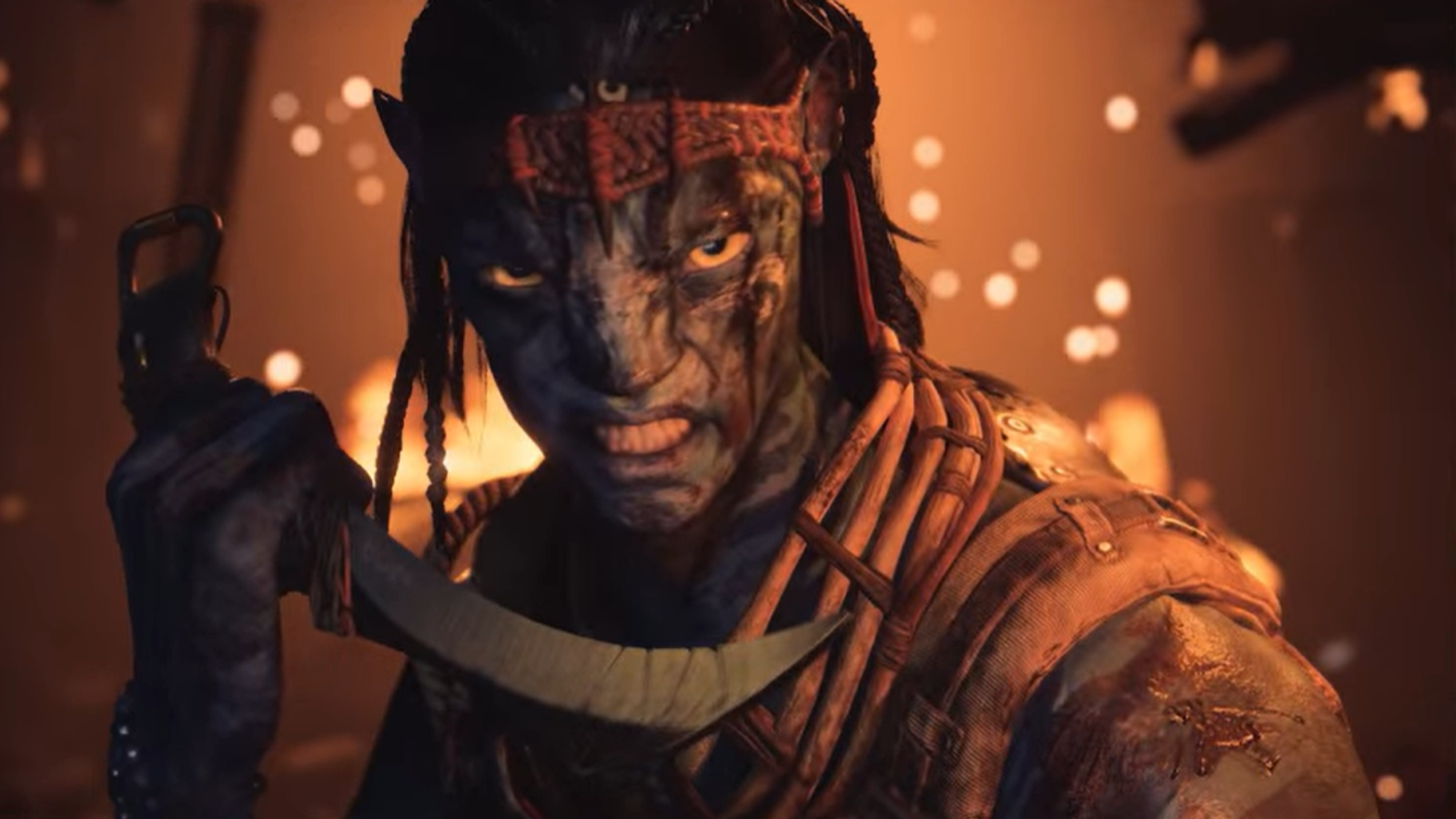
Developers released update 2.5 for Avatar: Frontiers of Pandora alongside the From the Ashes add-on tied to the new film Avatar: Fire and Ash, adding a playable protagonist So'lek and narrative content. The patch delivers technical and stability improvements — notably better performance on NVIDIA RTX 50 cards, fixes for a loading freeze at 18%, multiple crash fixes, and texture resolution/flicker repairs — which should improve user experience and reduce stability-related support issues.
Market structure: This patch is a marginal but positive product signal for NVIDIA (NVDA) — improved RTX 50 performance and cross‑platform fixes reinforce OEM/developer ties and incremental pricing power for high‑end GPUs. Expect a small demand boost concentrated in high‑end upgrade cycles: estimate a 1–3% lift in RTX 40/50 unit sales over the next 2–3 months if other AAA titles follow similar optimizations. Console/platform publishers and middleware (engine/tooling) benefit; older low‑end GPU aftermarket demand may soften.
Risk assessment: Tail risks include driver regressions/recalls, stricter export controls on advanced GPUs, and the non‑obvious risk that optimization actually extends hardware life and reduces replacement demand (negative for future unit growth). Immediate noise is minimal (days), short‑term effects hinge on holiday season sales (weeks–3 months), and long‑term fundamentals remain dominated by AI/data‑center demand (quarters–years). Monitor regulatory filings and NVIDIA driver hotfix cadence over next 30–90 days as key risk triggers.
Trade implications: Tactical: express a modest directional view on NVDA ahead of holiday demand and potential positive sentiment — use capital‑efficient options to limit downside. Consider a relative value pair (long NVDA vs short AMD) to express high‑end GPU share gains while hedging cyclical semiconductor risk. Reallocate small weights from PC OEMs into semis/cloud names; execute within 2–4 weeks and reassess around NVDA earnings (~90 days).
Contrarian angles: The market may be underestimating the “optimization lengthening lifecycle” effect — patches that boost older cards can depress upgrade cadence by several quarters, creating downside risk to cyclical GPU unit forecasts. Historical parallels: major game patches in 2016–2019 reduced short‑term GPU replacement cycles; if widely adopted, this could compress FY+1 unit growth. Watch developer patch notes for DLSS/Frame Generation adoption within 14 days — absence increases the case to trim NVDA exposure.
AI-powered research, real-time alerts, and portfolio analytics for institutional investors.
Request DemoOverall Sentiment
mildly positive
Sentiment Score
0.25
Ticker Sentiment
