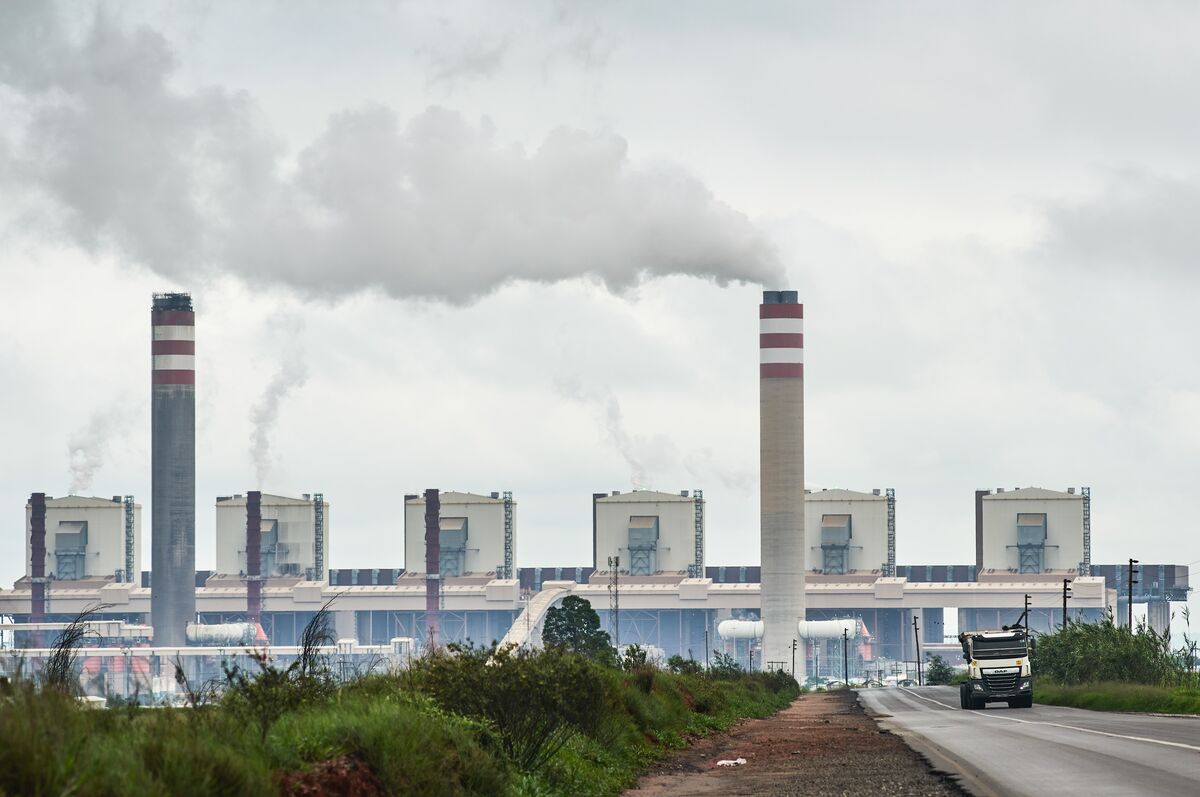
A Net Zero Tracker study indicates that South Africa's export-driven industries face increasing risk due to the proliferation of carbon border adjustment mechanisms. The report highlights that approximately 422,000 South African jobs are tied to exports destined for countries that have implemented or are planning to implement carbon border taxes, potentially impacting the nation's economy.
A recent study by Net Zero Tracker highlights a significant vulnerability for South Africa's key export industries arising from the increasing adoption of climate policies, specifically cross-border carbon taxes, by its trading partners. The research quantifies this risk, indicating that approximately 422,000 South African jobs are directly supported by exports to countries that have either implemented or are in the process of implementing carbon border adjustment mechanisms (CBAMs). This development, underscored by a strongly negative sentiment and pessimistic tone from market signals, suggests a potential economic strain on South Africa, particularly impacting sectors heavily reliant on international trade. The situation underscores the growing intersection of ESG factors, specifically climate policy, with international trade regulations and tariff structures, posing a notable challenge for emerging market economies like South Africa that depend on these export revenues.
AI-powered research, real-time alerts, and portfolio analytics for institutional investors.
Request DemoOverall Sentiment
strongly negative
Sentiment Score
-0.70
