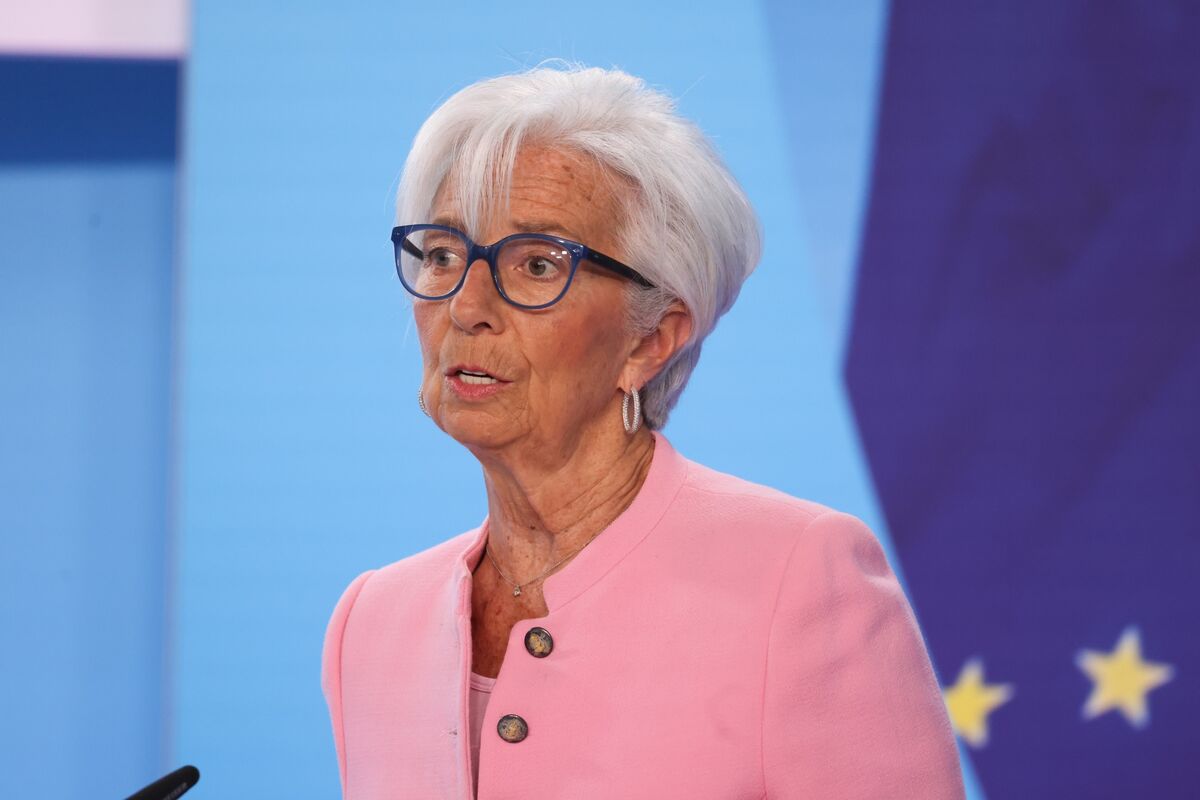
ECB President Christine Lagarde stated that international trade is permanently altered due to tariff tensions, despite ongoing negotiations among leading economies. Speaking at the G7 meeting, Lagarde's comments highlight concerns about the long-term impact of trade disputes on global commerce, suggesting a shift in the international trade landscape.
European Central Bank President Christine Lagarde's assertion that international trade will 'never be the same again' due to prevailing tariff tensions signals a fundamental and enduring shift in the global economic order, even as leading economies engage in negotiations. Her comments, delivered at the Group of Seven finance officials' meeting, reflect a 'moderately negative' sentiment and an 'uncertain' tone, underscoring persistent concerns about the long-term structural impact of ongoing trade disputes. This perspective, influenced by themes of 'Trade Policy & Supply Chain,' 'Tax & Tariffs,' and 'Geopolitics,' suggests that the current environment is not merely a temporary disruption but a transition towards a new paradigm in international commerce, potentially characterized by altered trade flows, reconfigured supply chains, and increased regionalization, with a moderate market impact anticipated.
AI-powered research, real-time alerts, and portfolio analytics for institutional investors.
Request DemoOverall Sentiment
moderately negative
Sentiment Score
-0.50
