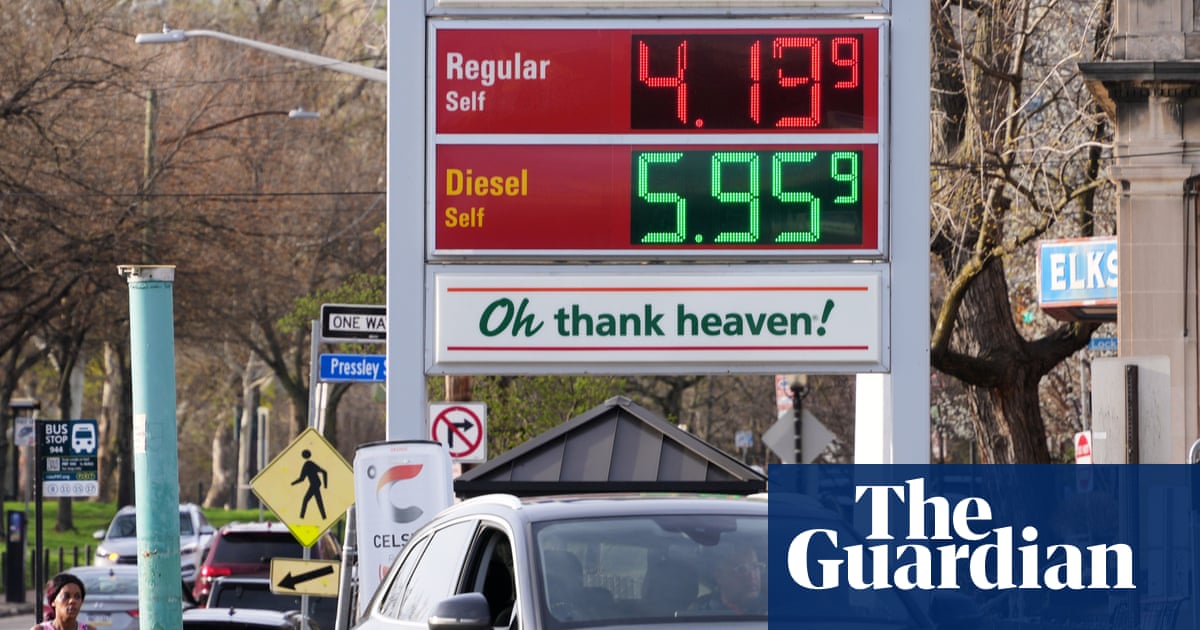
Crude oil has surged past $110 per barrel since the Iran war began, with Iran controlling the Strait of Hormuz (≈20% of global oil flows) and reportedly imposing tolls up to $2m, raising shipping and routing costs. Logistics and consumer costs are rising: Amazon will add a 3.5% surcharge for third-party sellers, UPS/FedEx have implemented fuel surcharges of more than 25%, and the USPS is adding an 8% surcharge effective April 27; the Independent Grocers Alliance estimates a 10-15% fuel increase could raise food prices 2-4%. Experts warn a lasting political risk premium will keep inflationary pressure across gasoline, airfares, chemicals (pharmaceuticals, fertilizers) and groceries, implying sustained market-wide effects.
Transport carriers and marketplace platforms will not feel the pain uniformly. Large integrators with flexible pricing and tighter network density can pass through a meaningful portion of fuel-driven cost increases to customers; carriers with heavier international air exposure and thinner contracted volumes will see margin compression first. Marketplace platforms that monetize services (advertising, fulfillment) have a two-edged sword: they can harvest higher take-rates to offset logistics inflation, but sustained price pass-through to end consumers suppresses discretionary volumes and accelerates seller flight to lower-cost fulfillment partners.
Second-order supply-chain effects will surface over months, not days. Higher energy-driven fertilizer and input costs compress agricultural margins and will progressively push food CPI higher through planting and growing seasons; expect retail grocers to reprice assortments ahead of harvest windows to avoid margin shocks. Logistics capacity reconfiguration (regional carriers, private fleets, 3PL expansion) is likely — that benefits asset-light logistics tech and industrial real estate tied to last-mile nodes.
Tail risks and reversal catalysts are asymmetric. A short, sharp geopolitical de‑escalation or coordinated SPR/strategic releases could unwind the political premium quickly (weeks), whereas inventory rebalancing, contract repricing, and structural hedging mean a higher-price regime could persist for many quarters. Macroeconomic demand destruction (central bank tightening) is the principal medium-term force that could pull energy and freight rates back down within 3–9 months, creating a clear hedge opportunity for carries that front-run price moves.
AI-powered research, real-time alerts, and portfolio analytics for institutional investors.
Request DemoOverall Sentiment
mildly negative
Sentiment Score
-0.35
Ticker Sentiment
