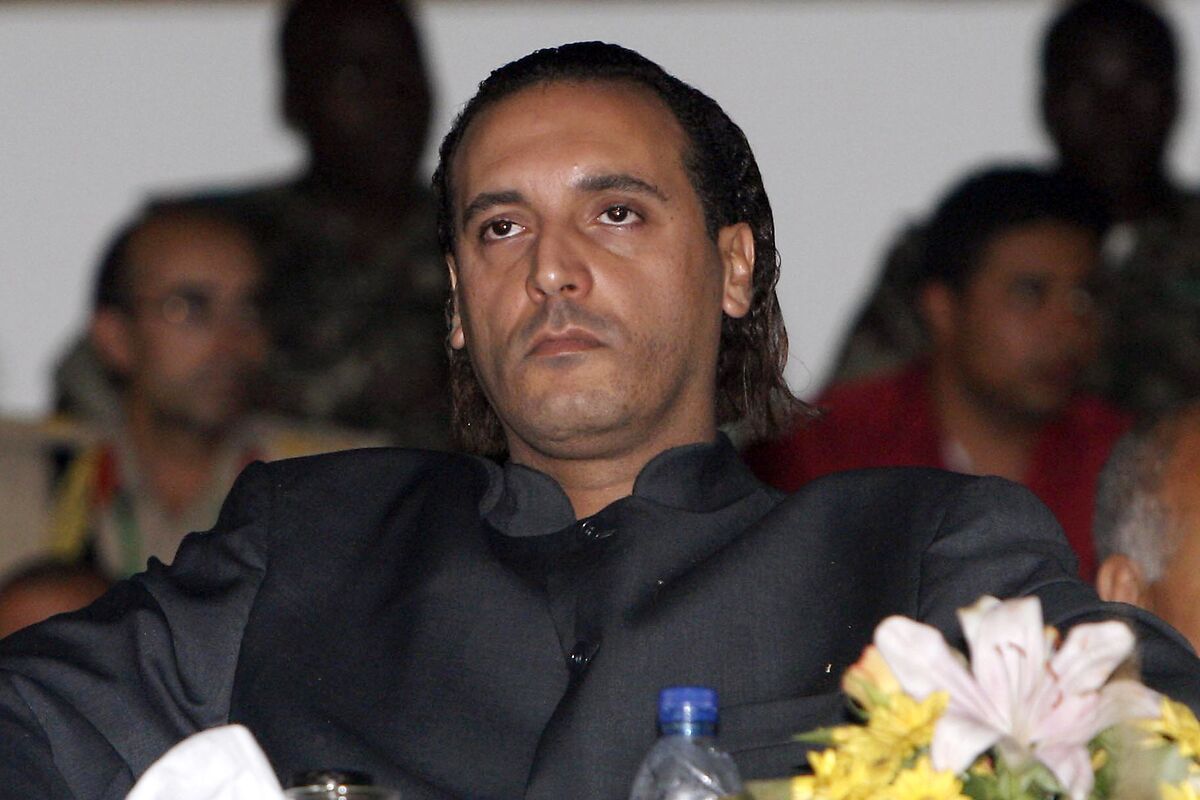
Hannibal Qaddafi, son of deposed Libyan leader Muammar Qaddafi, was released in Lebanon last week on $900,000 bail after spending about a decade detained on accusations linked to the 1970s disappearance of a Lebanese cleric; Libyan officials intervened to secure his release and he is now seeking to travel to South Africa. The case raises immediate legal and diplomatic questions between Lebanon and Libya as authorities consider his movements and any potential further proceedings.
Hannibal Qaddafi, son of deposed Libyan leader Muammar Qaddafi, was released in Lebanon last week on $900,000 bail after spending about a decade detained on accusations related to the 1970s disappearance of a Lebanese cleric; Libyan officials intervened to secure his release. The article states he is now seeking to travel to South Africa, creating an immediate operational question about cross-border movement while legal matters remain unresolved in Lebanon. The case raises legal and diplomatic questions between Lebanon and Libya as authorities consider his movements and any potential further proceedings, which could prompt judicial actions or diplomatic engagement depending on Lebanon’s response. Market signals attached to the report show neutral sentiment and zero market-impact scoring with no corporate tickers implicated, indicating this development is primarily a legal/geopolitical event rather than a market-moving corporate story, but it does bear watching for shifts in regional political risk that could affect investors with country-specific exposure.
AI-powered research, real-time alerts, and portfolio analytics for institutional investors.
Request DemoOverall Sentiment
neutral
Sentiment Score
0.00
