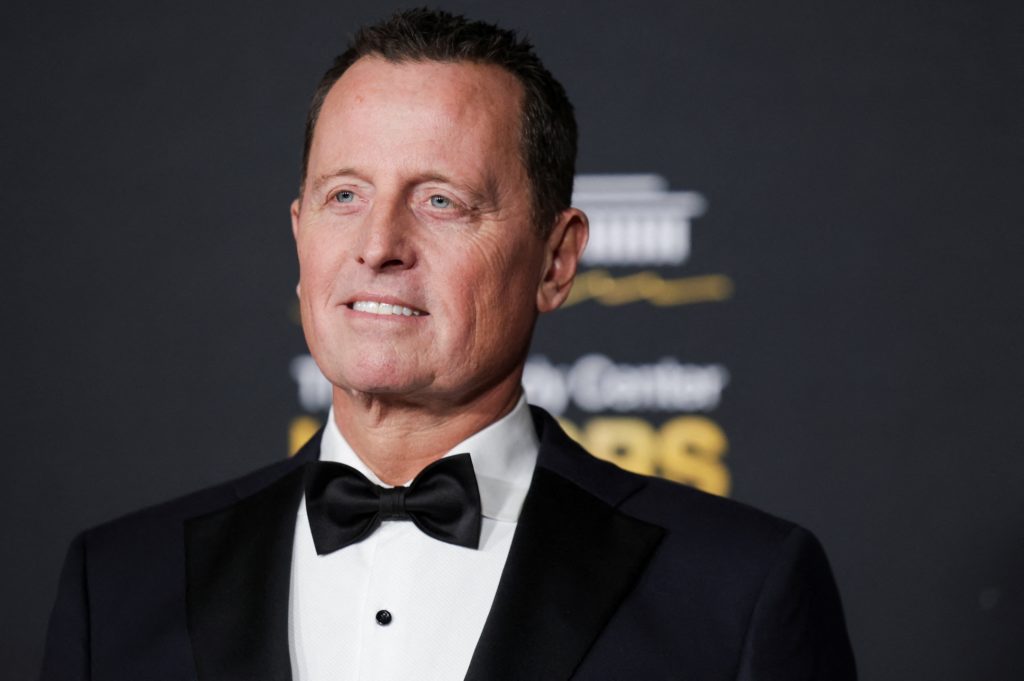
The Trump-appointed president of the renamed Trump-Kennedy Center, Richard Grenell, defended a board takeover and renaming amid artist cancellations, reported plunging ticket sales and lower Honors viewership, while claiming the institution’s finances have improved. Grenell said the center has raised more than $130 million in roughly ten months, disputes reports of a 43% unsold ticket window and a ~50% fall in venue income, and argues programming must be revenue-neutral given 19 unions and prior use of debt reserves. The dispute centers on reputational and demand shocks from the political takeover and programming changes, with broadcaster CBS reporting mixed TV/digital audience metrics for the Honors.
Market Structure — Winners are commercial live-event platforms and populist touring acts (Live Nation (LYV), AEG if public) and media outlets that capture polarized audiences; losers are nonprofit/high-culture institutions, donor-dependent venues and legacy public-media goodwill (headline claims: 43% unsold / venue income −50% are disputed but signal demand stress). The $130M one-off fundraising claim stabilizes near-term liquidity but raises concentration risk: if top 1–2 donors supply >50% of incremental donations, governance shocks quickly reintroduce funding gaps.
Risk Assessment — Near-term (days–weeks) headlines can depress single-event ticket sales by 5–15% and push sponsors to pause commitments; short-term (3–6 months) donor cadence and renewal rates determine survival of programming; long-term (≥12 months) secular TV viewership declines and union-fixed costs (19 unions cited) compress margins. Tail risks: coordinated corporate sponsor withdrawal (>20% revenue hit) or major artist boycott cascading to other venues; hidden dependency is donor concentration and union labor cost inflexibility.
Trade Implications — Direct plays: favor exposure to secular, mass-appeal live promoters (LYV) via directional or call-spread exposure over 3–9 months; hedge reputational/advertising losers via small tactical shorts/put spreads in legacy news/media names (NYT) where political coverage could dent subscriber/ad trends. Cross-asset: avoid muni/cultural bonds with high issuer exposure to arts funding; options: use defined-risk spreads to exploit elevated headline-driven IV.
Contrarian Angles — Consensus assumes permanent audience loss; history (political boycotts in entertainment) shows attendance often reverts within 6–12 months once programming rebalances. The market may be overpricing legacy-media downside and underpricing durable monetization of digital clips from politicized events (tenfold digital claim by CBS); a measured long on mass-appeal live promoters with tight hedges captures asymmetric upside if donor-driven shocks fade.
AI-powered research, real-time alerts, and portfolio analytics for institutional investors.
Request DemoOverall Sentiment
mixed
Sentiment Score
-0.05
Ticker Sentiment
