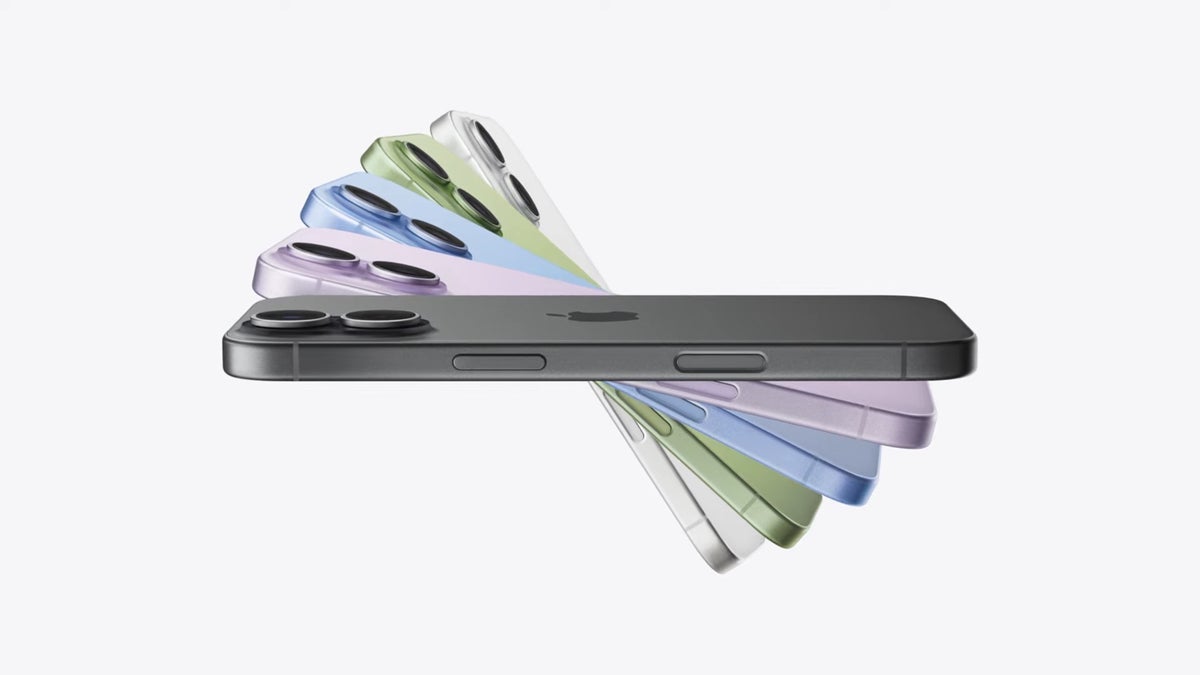
iPhone 18 rumors point to an A20 chip on TSMC's 2nm node with ~15% speed and ~30% power-efficiency gains plus 12 GB RAM and deep iOS 27 Gemini AI integration, which could enable Pro-level on-device AI on the base model. Reported timing has iPhone 18 Pro in September and the base iPhone 18 delayed to spring 2027; if true, the base model could meaningfully erode the Pro value proposition and justify consumers skipping a higher-priced Pro (saving 'hundreds of dollars'), potentially compressing Apple's ASPs and shifting upgrade demand toward the non‑Pro SKU.
A narrowing feature gap between the non‑Pro and Pro phones shifts the profit battleground from device hardware premium to ecosystem monetization and upgrade cadence. If Apple successfully extracts higher wallet share from a larger installed base (services, paid AI features, accessory attach), every percentage point of incremental conversion can offset several hundred bps of hardware margin compression within 12–24 months. Expect the P&L impact to be concentrated in gross margin mix (hardware vs services) rather than unit volumes immediately — volume uplifts will show up more gradually as replacement cycles shorten.
On the supply side, higher‑specification non‑Pro units trade meaningful fixed‑cost absorption across fabs and OSATs: advanced node fabs benefit from steadier throughput and yield learning, but component suppliers that underprice premium optics or memory risk margin erosion if Apple forces cost parity across tiers. This creates a two‑tier supplier outcome over the next 6–18 months — foundries and advanced packaging capture share and pricing power, while mid‑tier specialty suppliers face greater discounting pressure unless they carve out unique IP.
Key catalysts and risks are asymmetric over different horizons. In the near term (weeks–months) the biggest market mover will be launch cadence and availability: staggered releases or shipping delays create predictable sequential revenue volatility and transient option‑flow in Apple stock. Over 6–18 months the largest tail risk is underwhelming on‑device AI — if the software/middleware experience disappoints, higher spec hardware will not translate into upgrade demand and ASP/mix contraction accelerates.
A contrarian read: the market may be underestimating the upside from incremental services monetization and replacement frequency. If a “better base” phone increases paid AI feature attach by even 3–5ppt across Apple’s installed base, that drives high‑margin recurring revenue that compounds over years and could more than offset near‑term hardware mix pain — a multi‑quarter re‑rating catalyst that is easy to miss when focusing only on device ASPs.
AI-powered research, real-time alerts, and portfolio analytics for institutional investors.
Request DemoOverall Sentiment
mildly positive
Sentiment Score
0.35
Ticker Sentiment
