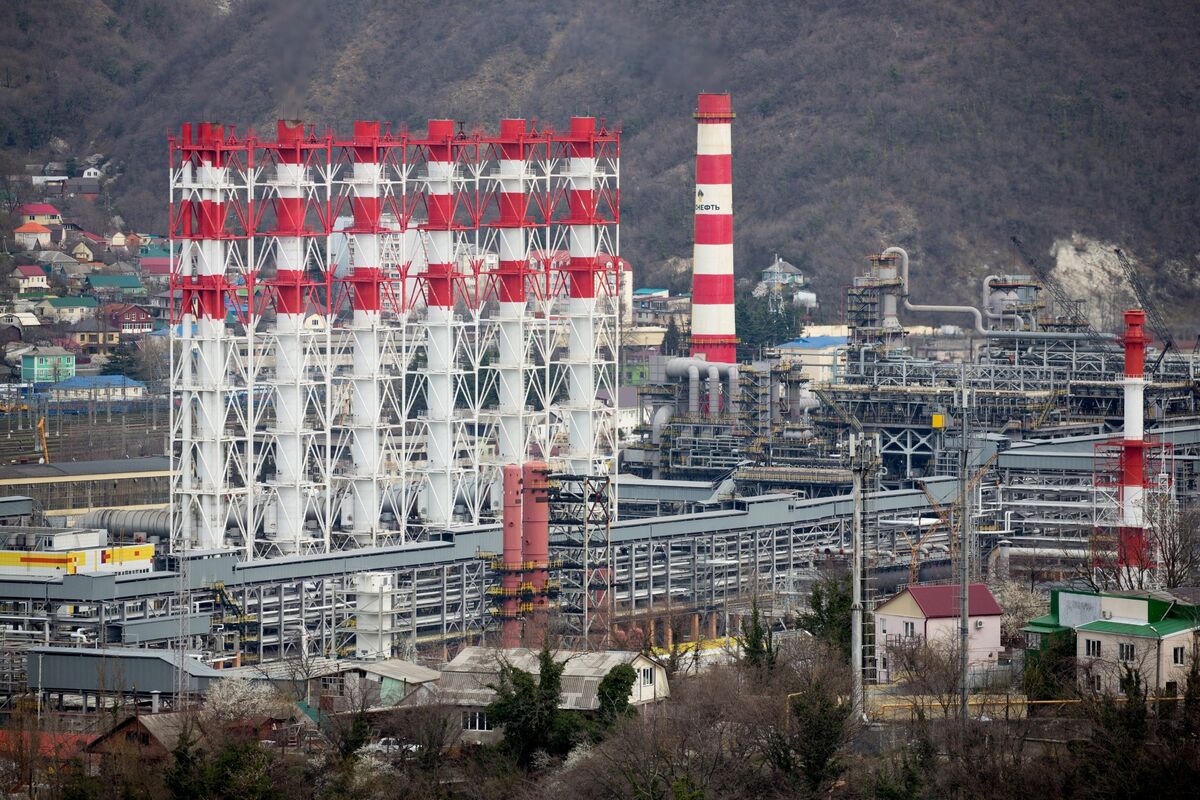
Russia plans to extend its gasoline export ban for fuel producers through September, and potentially through October for non-producers, to ensure domestic supply stability. This measure, supported by Deputy Prime Minister Alexander Novak, is a direct response to disruptions caused by Ukrainian drone attacks on major refineries and aims to maintain a stable domestic fuel market during high seasonal demand and agricultural work. The extension underscores Russia's focus on internal energy security amid geopolitical pressures, which could have implications for global gasoline supply dynamics.
Russia is extending its gasoline export ban for fuel producers through September, with a potential extension for non-producers through October, in a defensive move to secure domestic market stability. This policy, endorsed by Deputy Prime Minister Alexander Novak, is a direct consequence of operational disruptions at major refineries caused by Ukrainian drone attacks, compounded by the need to meet high seasonal demand for fuel during summer and agricultural periods. The decision underscores the tangible impact of the ongoing conflict on Russia's energy infrastructure, forcing a prioritization of internal supply over export revenues. This restriction is set to remove a significant volume of gasoline from the international market, likely tightening global supplies and signaling that the damage to Russian refining capacity is substantial enough to warrant state intervention.
AI-powered research, real-time alerts, and portfolio analytics for institutional investors.
Request DemoOverall Sentiment
moderately negative
Sentiment Score
-0.50
