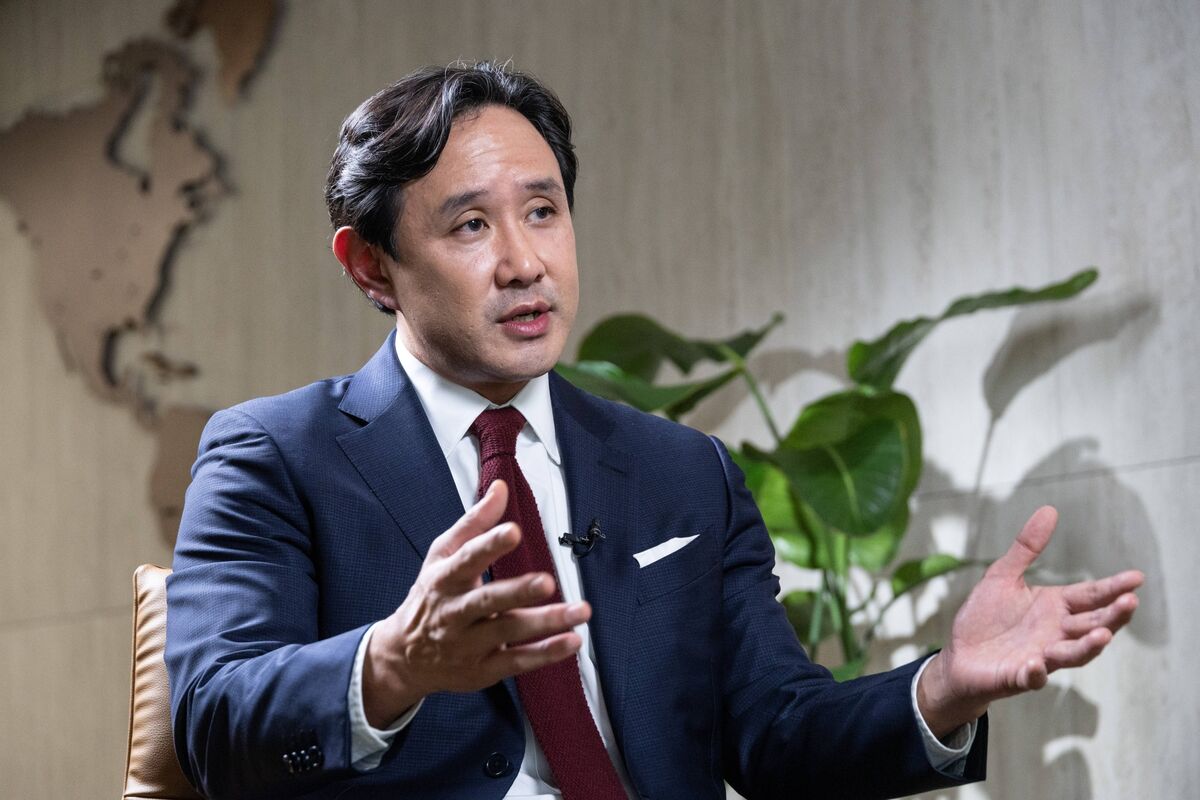
Shareholders will vote Tuesday on the re-election of Korea Zinc chairman Yun B. Choi after more than a year of an activist investor coalition challenging control. South Korea's National Pension Service abstained and CalPERS voted against his re-election, creating last‑minute uncertainty that could move the stock depending on the vote outcome.
The activist episode increases the probability of near-term strategic change at a vertically integrated smelter without changing fundamentals of global zinc supply overnight. If the outcome forces governance concessions (higher distributions, asset sales, or a shift to spot concentrate buying) expect a two- to twelve‑month window where contract volumes and counterparty behavior reprice, increasing spot concentrate and refined-zinc volatility even if annual global zinc balances remain tight-to-balanced.
Institutional abstentions/against votes are a second‑order signal: they lower the likelihood of a quick, clean settlement and raise the chance of protracted governance noise that depresses local investor sentiment. That amplifies idiosyncratic downside for Korea-centric metal equities while simultaneously creating a commodity-sensitive opportunity for miners and traders who can pick up freed-up concentrate flows or benefit from higher refined-zinc realizations.
Immediate catalysts are the vote outcome and any announced board seat changes; medium-term catalysts are contract renegotiations with suppliers/customers and regulatory or pension-fund follow-ups. Tail risks include a management entrenchment that triggers legal/operational disruptions (labor, trading arm disputes) or a swift activist win that accelerates asset sales; either can move prices sharply in weeks, with material follow-through by 3–12 months.
For portfolios: treat this as a governance-driven dispersion event, not a commodity structural call. Position size to capture a directional commodity move while hedging Korean-equity governance risk; prefer options or pairs to avoid one-sided active-share exposure to a single contested company.
AI-powered research, real-time alerts, and portfolio analytics for institutional investors.
Request DemoOverall Sentiment
neutral
Sentiment Score
0.00
