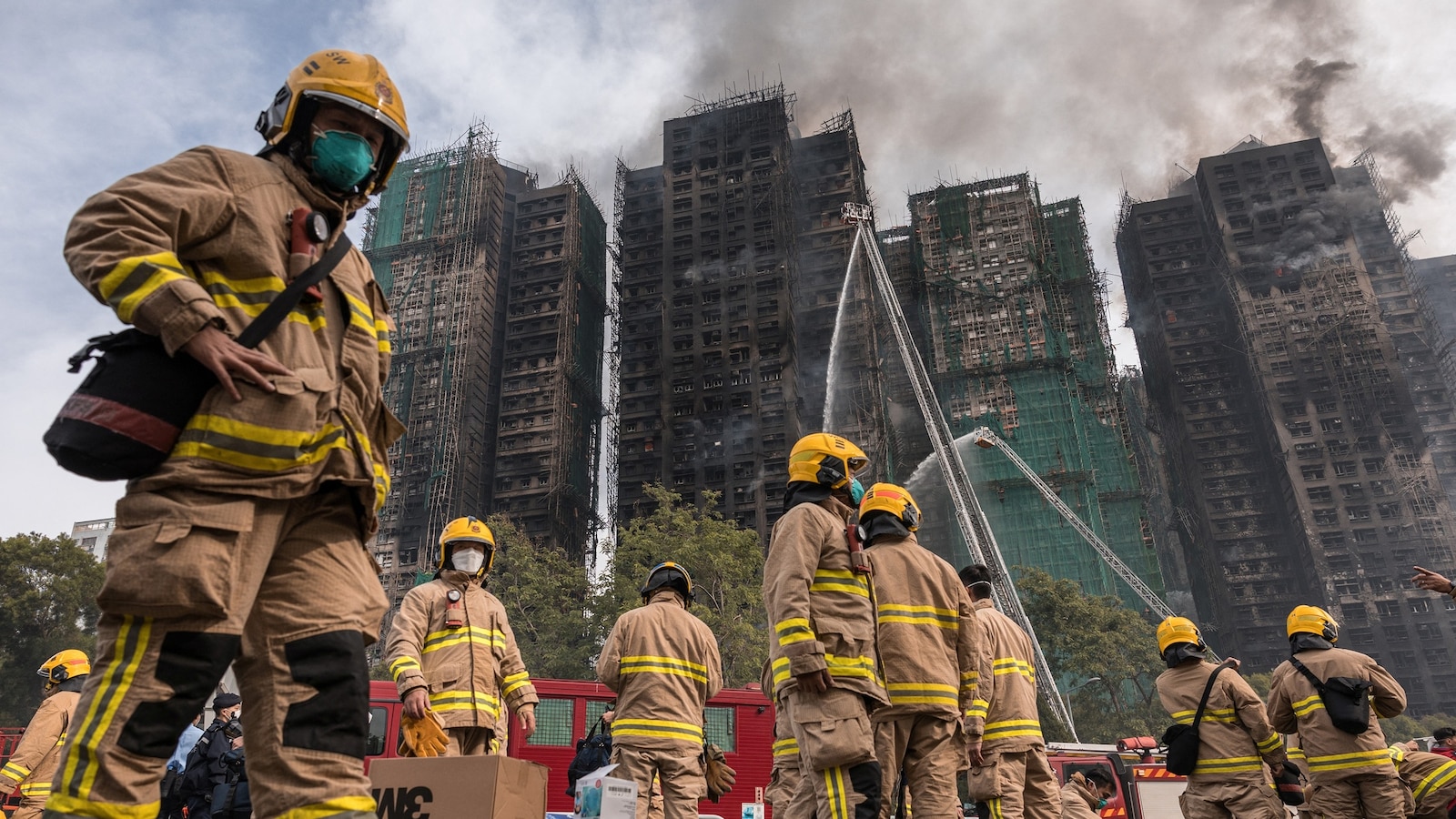
Hong Kong has canceled its 2026 New Year fireworks over Victoria Harbor following a late-November blaze at Wang Fuk Court that killed at least 161 people, the territory’s deadliest fire in decades. The tourism board will replace pyrotechnics with a music show and light displays, but officials acknowledge lost fireworks will depress hotel and restaurant demand as thousands of residents remain displaced amid scrutiny of substandard renovation materials blamed for the fire’s rapid spread. The event is likely to exert modest downside pressure on local hospitality and tourism revenue and raise reputational and regulatory risks for property renovation practices in the city.
Market structure: Short-term winners are local live-entertainment venues, transport to Central and soft-rock/entertainment promoters; losers are Hong Kong travel & leisure (hotels, F&B, inbound tourism) and insurers potentially facing casualty claims. Expect 1–3 month RevPAR pressure of ~5–15% in downtown Hong Kong and a 2–5% drag on HSI tourism-exposed names if arrivals slump into Lunar New Year. FX/HKD effects are minimal (peg intact) but risk-off could transiently widen Hong Kong equity implied volatilities (+20–40% IV spike on small-cap tourism names).
Risk assessment: Tail risks include a regulatory remediation program (mandatory façade/scaffold upgrades) that could force HKD-denominated capex of several billion HKD and raise developers’ near-term capex by ~1–2% of market cap; large class-action suits could add insurance losses >HK$5–10bn. Timeline: immediate (days) for sentiment shocks, short-term (1–3 months) for RevPAR & earnings hits, medium-term (6–24 months) for regulatory/capex impact. Catalysts: official inquiries, compensation rulings, and Lunar New Year tourism statistics (release dates: Jan–Feb 2026).
Trade implications: Tactical short exposure to broad Hong Kong tourism beta is preferred (ETF/puts) over single-name naked shorts; hedges vs long Hong Kong property names with strong balance sheets. Use 1–3 month options to capture volatility and re-evaluate after two data points: Lunar New Year footfall and Q4 hotel RevPAR prints. Rotate into contractors/fire-safety suppliers on any regulatory-confirmation pullback (6–18 month horizon).
Contrarian angles: The market may oversell: prior fireworks cancellations (2013, 2018) saw tourist metrics rebound within 1–3 quarters, so any >15% sell-off in high-quality names likely presents a buying opportunity. Second-order: large remediation programs could be fiscal-positive for listed construction/engineering contractors (contrary trade: short tourism, long selective contractors). Watch for overbroad policy responses that redistribute value within real estate and services.
AI-powered research, real-time alerts, and portfolio analytics for institutional investors.
Request DemoOverall Sentiment
moderately negative
Sentiment Score
-0.30
