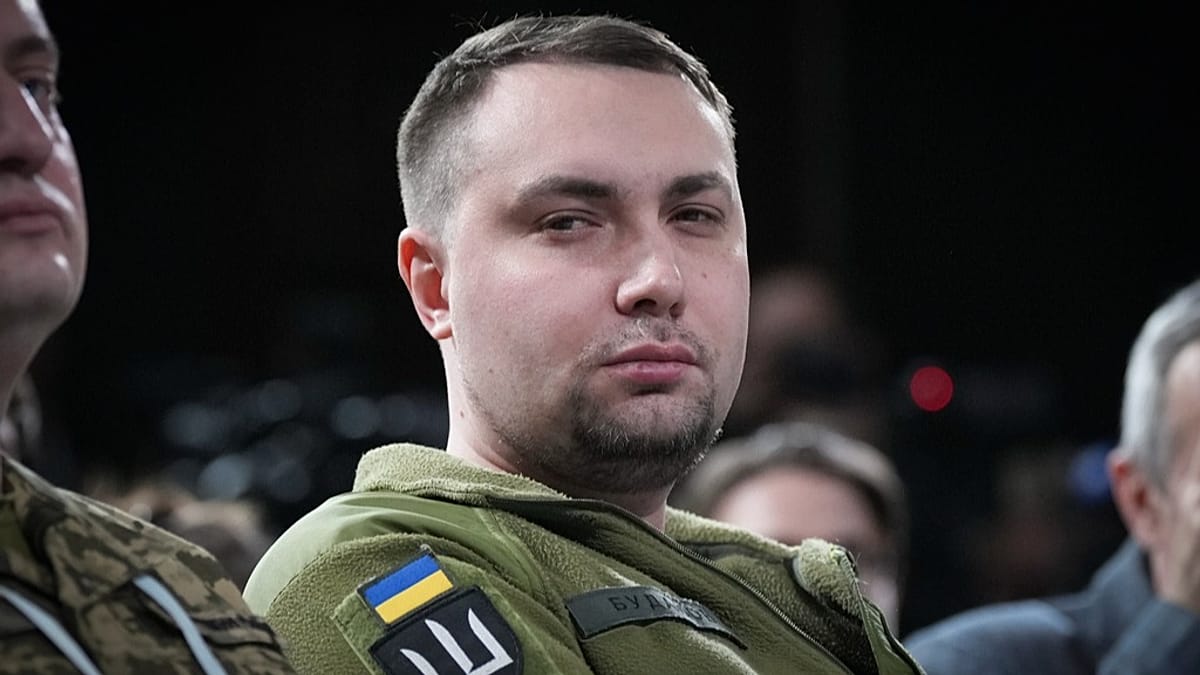
Ukrainian President Volodymyr Zelenskyy appointed Kyrylo Budanov, head of military intelligence (HUR) since 2020, as his new chief of staff, replacing Andrii Yermak who resigned amid an anti‑corruption probe tied to the energy sector. The move centralizes a serving intelligence chief in political and diplomatic coordination, signaling a sharpened focus on security, defence development and peace negotiations — an important geopolitical signal for Western partners and a potential driver of shifts in Ukraine’s security policy, but with limited immediate direct impact on markets.
Market structure: Budanov’s move centralizes operational intelligence into policy and raises the probability of stepped-up covert/surgical operations that favor suppliers of precision-guided munitions, ISR, EO/IR sensors and cyber/intel services. Expect demand shocks concentrated over 3–12 months rather than broad rearmament; tactical procurement wins could lift relevant defense contractors’ revenues by a discrete 5–15% in contract visibility over 6–12 months. Energy/commodity markets see asymmetric risk: low-probability strikes can spike oil/gas prices 5–15% in days, while a negotiated diplomatic push could depress risk premia equally fast.
Risk assessment: Tail risks include rapid escalation to strikes on Western-supplied logistics (1–5% annual probability but severe), NATO involvement trigger events (0.5–1%), or a near-term ceasefire (20–40% within 3–6 months if US diplomacy advances). Immediate (days) effects—bouts of volatility in oil, gold, and defense names; short-term (weeks–months)—rotation into defense/energy; long-term (quarters–years)—funding cycles and US aid flows (watch 30–90 day Congressional windows) will set procurement baselines. Hidden dependencies: US aid pace, EU winter gas reserve levels, and cyber retaliation capacity are second-order drivers.
Trade implications: Tactical long bias to large-cap defense primes (RTX, LMT, NOC, GD) and ISR/sensor specialists for 3–12 months; hedge with 1–2% gold (GLD) and short-duration Brent puts/longs depending on escalation thresholds. Consider options (6-month call spreads) to capture event-driven volatility while capping premium. Rotate out of European cyclical travel/airlines on spikes in strike activity and into energy/defense until diplomatic clarity (reassess at 60–90 days).
Contrarian angles: Consensus may prize diplomacy and underweight persistent low‑visibility strikes; markets often underprice protracted irregular warfare that keeps a baseline risk premium elevated. Historical parallels (2014–2015) show repeated small escalations sustaining commodity and defense premiums for 6–18 months, not one large spike. Unintended consequence: centralizing an intelligence chief in diplomacy could increase opacity and corruption risk, raising sovereign funding needs for Ukraine and keeping EM/sovereign risk spreads wider than consensus expects.
AI-powered research, real-time alerts, and portfolio analytics for institutional investors.
Request DemoOverall Sentiment
neutral
Sentiment Score
0.00
