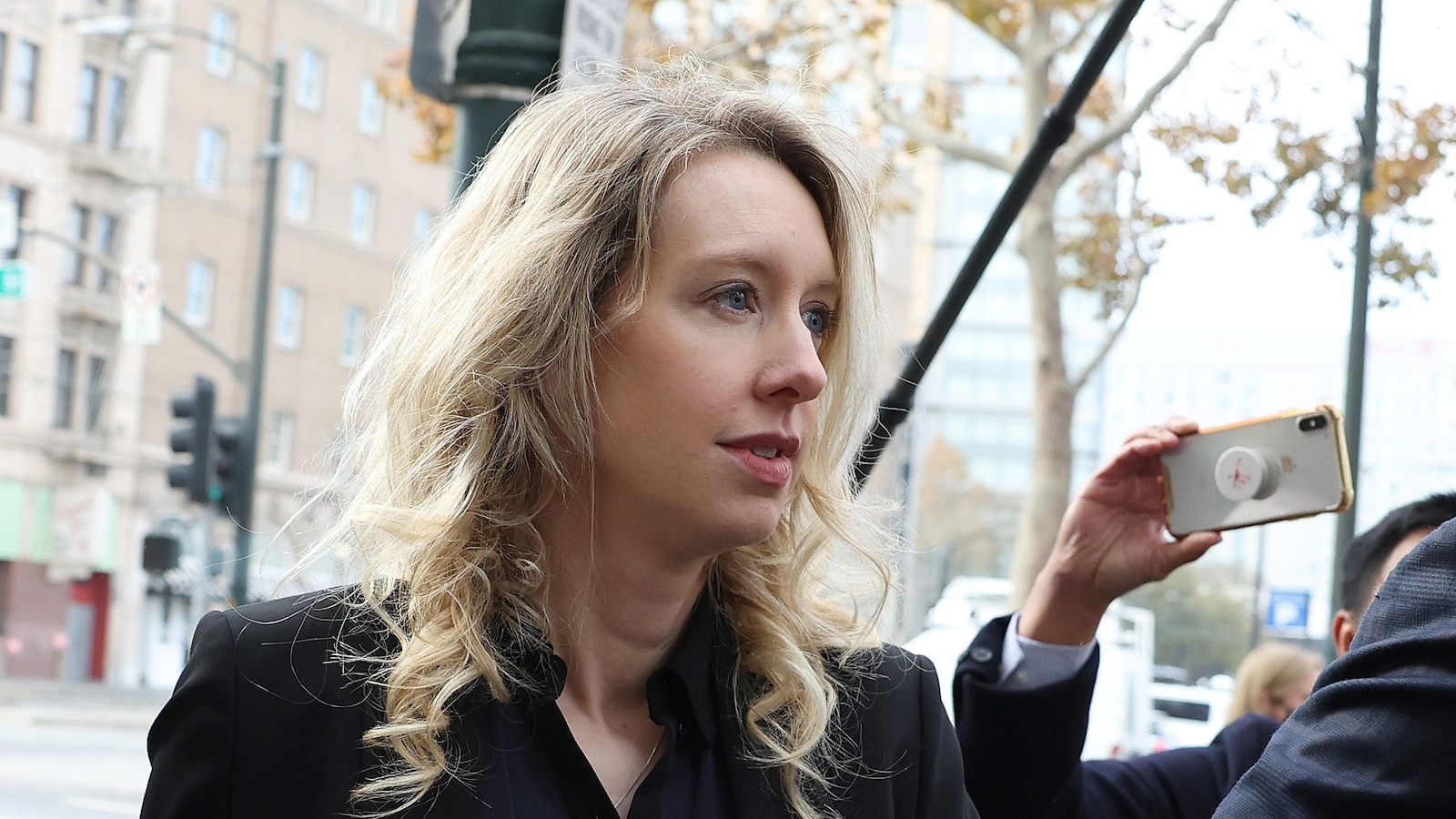
Elizabeth Holmes, 41, has petitioned the Trump administration for commutation of her sentence, a request the U.S. Office of the Pardon Attorney shows was filed in 2025 and is listed as pending; her current Federal Bureau of Prisons release date is Dec. 30, 2031 (about six years remaining). Holmes was convicted in 2022 of defrauding investors over Theranos’ blood‑testing claims; an appeals court in 2024 upheld the convictions, sentences and a combined $452 million restitution order for Holmes and former COO Ramesh “Sunny” Balwani, rejecting challenges to the convictions and the restitution calculation.
Market structure: Holmes' commutation request is a reputational/legal signal, not a product shock — winners are large, compliant diagnostics and lab-service incumbents (Thermo Fisher TMO, Danaher DHR, Abbott ABT) who gain pricing power and M&A optionality as VCs retreat; losers are early-stage diagnostics, SPAC/IPO-driven med‑tech names and venture funds that rely on narrative-driven capital. Supply/demand for private diagnostic finance tightens: expect 10–30% slower deal flow and higher diligence costs over 6–18 months, benefiting acquirers with cash.
Risk assessment: Tail risks include a politicalized DOJ clemency precedent that either relaxes or tightens enforcement of founder fraud (low probability, high impact for governance scrutiny). Immediate (days) market moves minimal; short-term (weeks–months) sentiment shifts in small-cap biotech and SPAC ETFs; long-term (quarters–years) tighter private valuations and higher compliance spending. Hidden dependencies: insurance/indemnity markets, VC LP patience, and pending civil restitution collections could drive litigation-linked cash flows.
Trade implications: Direct plays favor 6–12 month longs in DHR/TMO/ABT (market share + margin resilience) and hedges against small-cap biotech via put spreads on IBB or reducing ARKK exposure by 30–50% of current risk. Pair trade: long TMO (1–2% portfolio) / short IBB (1–2%) to capture safe-haven reversion. Options: buy 3–6 month IBB put spreads (e.g., 5–15% OTM) to limit cost while capturing downside spikes.
Contrarian angles: Consensus underprices M&A optionality — sustained private-market stress can create 5–15% acquisition-driven EPS upside for cash-rich incumbents over 12–24 months. Reaction is underdone in large-cap diagnostics but overdone in broad biotech indices; unexpected clemency would be a positive shock for speculative names, so keep asymmetric hedges rather than outright shorts.
AI-powered research, real-time alerts, and portfolio analytics for institutional investors.
Request DemoOverall Sentiment
mildly negative
Sentiment Score
-0.25
