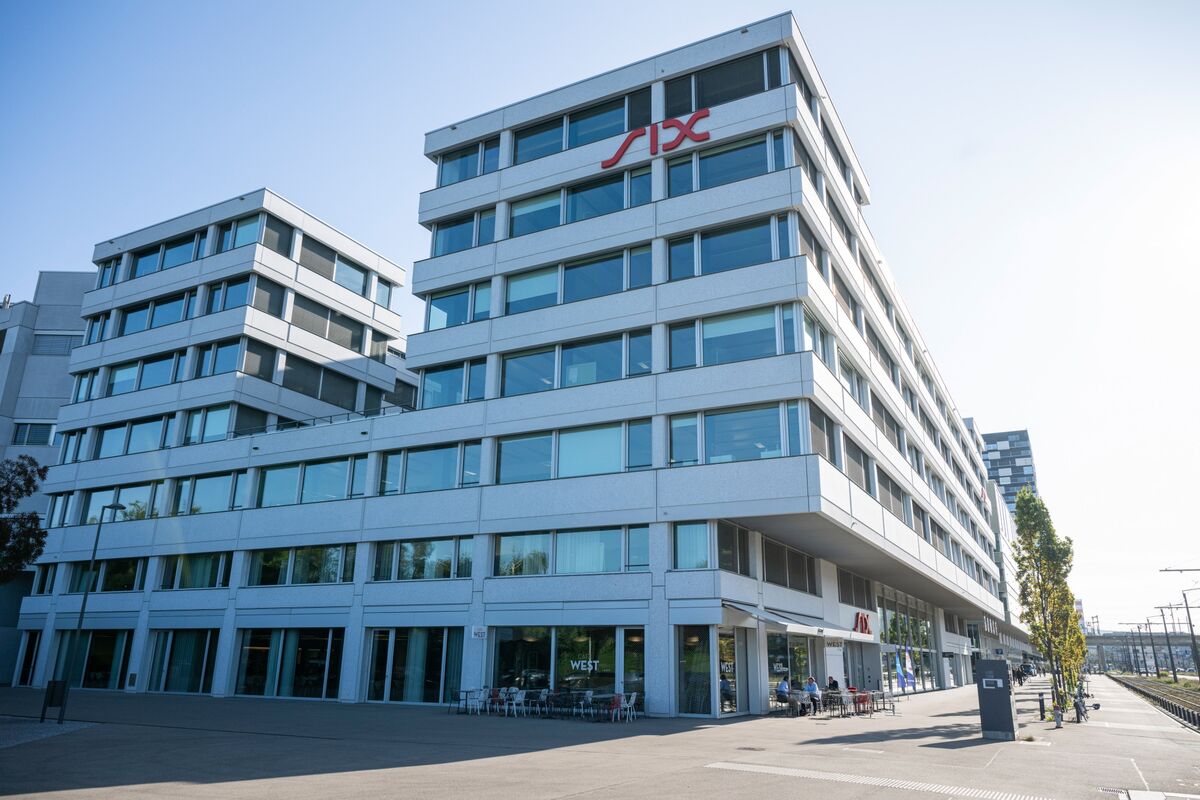
SIX Group CEO Bjørn Sibbern says volatility stemming from the war in Iran is causing IPOs to be delayed but not withdrawn, and he remains optimistic this year could see more IPO activity than last. He reports no issuers pulling listings so far, though geopolitical uncertainty is prompting some to postpone plans. This is a sector-level sentiment dynamic likely to slow deal timing rather than materially alter market-wide issuance volumes.
Elevated headline volatility shifts revenue pools within capital markets: derivatives, market-making and clearing capture more short-term fee flow while equity capital markets (ECM) and IPO underwriting fees are pushed into a narrower set of windows. That favors exchange and clearing franchises with large listed-derivatives businesses (where take rates rise with realized vol) and market‑making platforms that monetize wider spreads and flow imbalances. Private-equity and secondary‑market intermediaries also win optionality — they can buy blocks or tender offers when primary issuance stalls, extracting liquidity premiums and accelerating fee capture.
A concentrated issuance backlog creates two non-linear outcomes: if windows re-open cleanly, clustered supply forces larger underwriting concessions and potential aftermarket “pop” compression; if markets remain choppy, some issuers will opt for extended private financing or M&A exits, structurally reducing future IPO cadence and compressing long-term ECM margins. Expect these dynamics to play out on different timescales — near-term (days–weeks) volatility spikes; medium-term (1–6 months) calendar reshuffles and fee renegotiation; and multi‑year (2+ years) shifts in where companies choose to list and how much primary capital they raise publicly.
Key reversal catalysts are simple and fast: visible de‑escalation in geopolitical risk or a clear central‑bank pivot to easier policy within 1–3 months would reopen windows quickly, restoring ECM deal flow and pressuring derivatives revenues as vol normalizes. The consensus misses a competitive angle: exchanges and listing venues may respond with pricing incentives and structural changes (dual‑class tolerance, faster approvals) that re‑route backlog demand, producing idiosyncratic winners among venue operators and advisors rather than a broad market recovery.
AI-powered research, real-time alerts, and portfolio analytics for institutional investors.
Request DemoOverall Sentiment
mildly positive
Sentiment Score
0.12
