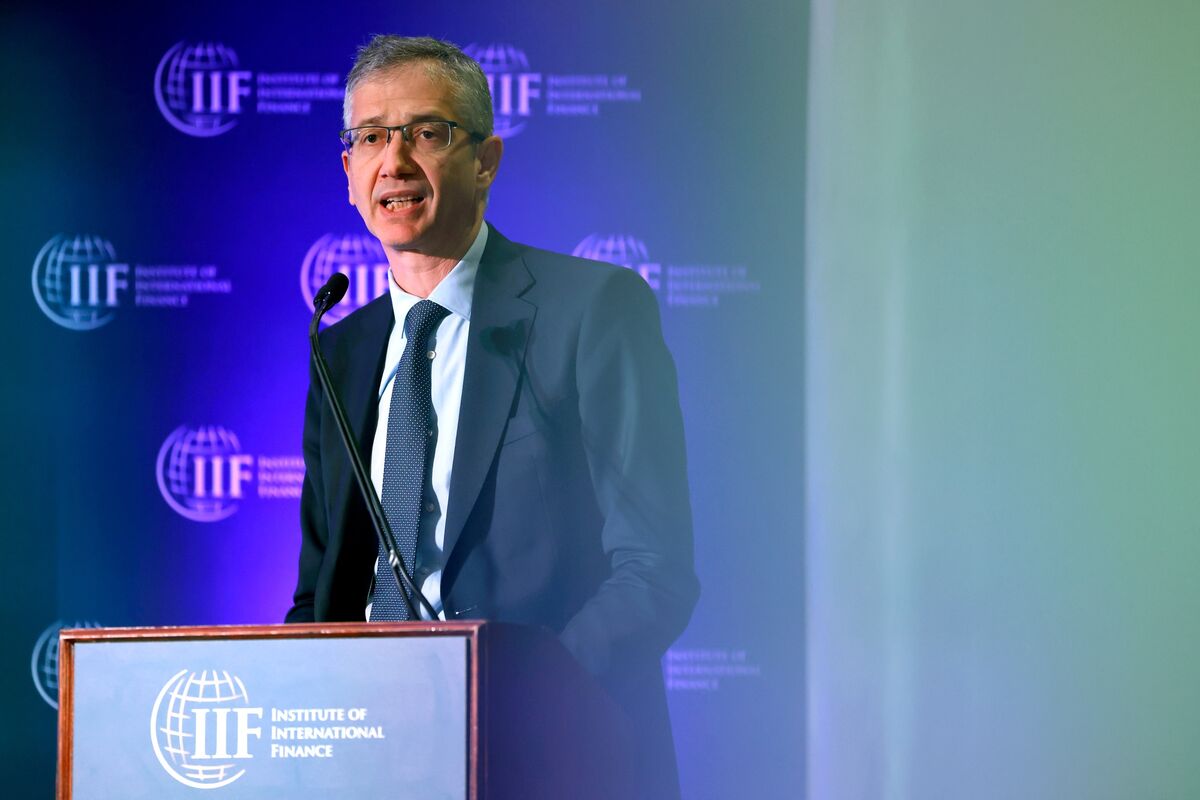
The new General Manager of the Bank for International Settlements (BIS), Pablo Hernandez de Cos, emphasized the critical importance of central bank independence, asserting it is crucial for controlling inflation and contributing to public well-being. He highlighted that autonomy enables policymakers to make decisions based on long-term economic considerations, free from short-term political interference, a key factor for monetary policy credibility and stability.
The new General Manager of the Bank for International Settlements (BIS), Pablo Hernandez de Cos, has issued a significant warning regarding emerging threats to central bank independence. His remarks in Mexico City emphasize that policy autonomy is a prerequisite for controlling inflation and fostering long-term economic well-being by insulating monetary decisions from short-term political pressures. The cautious tone and mildly negative sentiment signal associated with this statement suggest that this is not merely a theoretical assertion but a direct response to perceived risks in the current global political environment. While the immediate market impact is low, this high-level commentary from the head of an institution that serves central banks highlights a growing structural risk. The core concern is that any erosion of central bank credibility could unanchor inflation expectations and introduce greater volatility into financial markets.
AI-powered research, real-time alerts, and portfolio analytics for institutional investors.
Request DemoOverall Sentiment
mildly negative
Sentiment Score
-0.25
