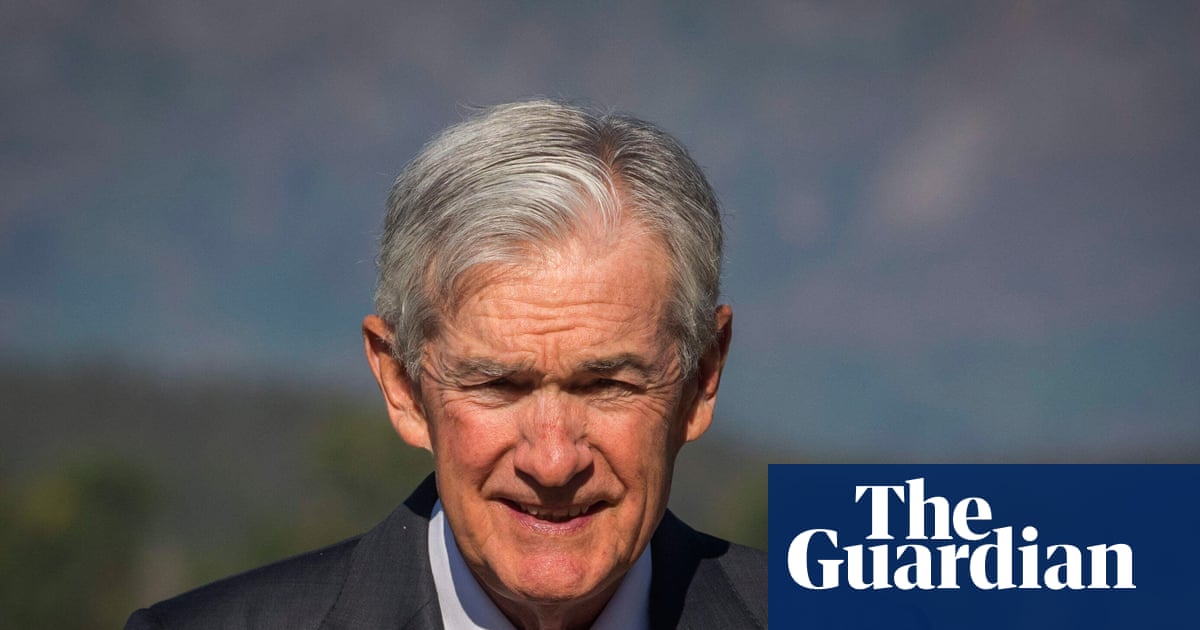
Fed Chair Powell's Jackson Hole speech signaled potential interest rate cuts as early as next month, initially boosting markets, but he simultaneously cautioned that the long-term 'neutral' rate may be structurally higher than in the past, suggesting rates may not revert to pre-pandemic lows. This tempered outlook is further complicated by emerging economic headwinds, including tariff-driven inflation and a slowing labor market, which the Fed acknowledges are difficult to distinguish from cyclical shifts and may limit monetary policy's effectiveness against structural changes stemming from executive policies.
Federal Reserve Chair Powell's Jackson Hole address has introduced a significant divergence between short-term market optimism and long-term economic uncertainty. While markets reacted positively to signals of a potential interest rate cut as early as next month, driven by weaker GDP, slacking consumer spending, and a slowing labor market, Powell's commentary was fundamentally cautious. He explicitly warned that the long-term neutral interest rate may now be structurally higher than in the pre-pandemic era, implying that borrowing costs, such as mortgage rates currently near 6.7%, are unlikely to return to previous lows. This monetary policy outlook is further complicated by fiscal policy, specifically the impact of trade tariffs. Powell directly linked recent inflationary pressures—which saw inflation rise 0.4 percentage points to 2.7% since April—to tariffs, with the full effect of the latest August tariffs yet to be priced in. His starkest warning centered on the Fed's limited capacity to counteract such 'structural changes' with monetary tools, signaling that the central bank cannot fully insulate the economy from policy-driven instability.
AI-powered research, real-time alerts, and portfolio analytics for institutional investors.
Overall Sentiment
moderately negative
Sentiment Score
-0.50
Ticker Sentiment
