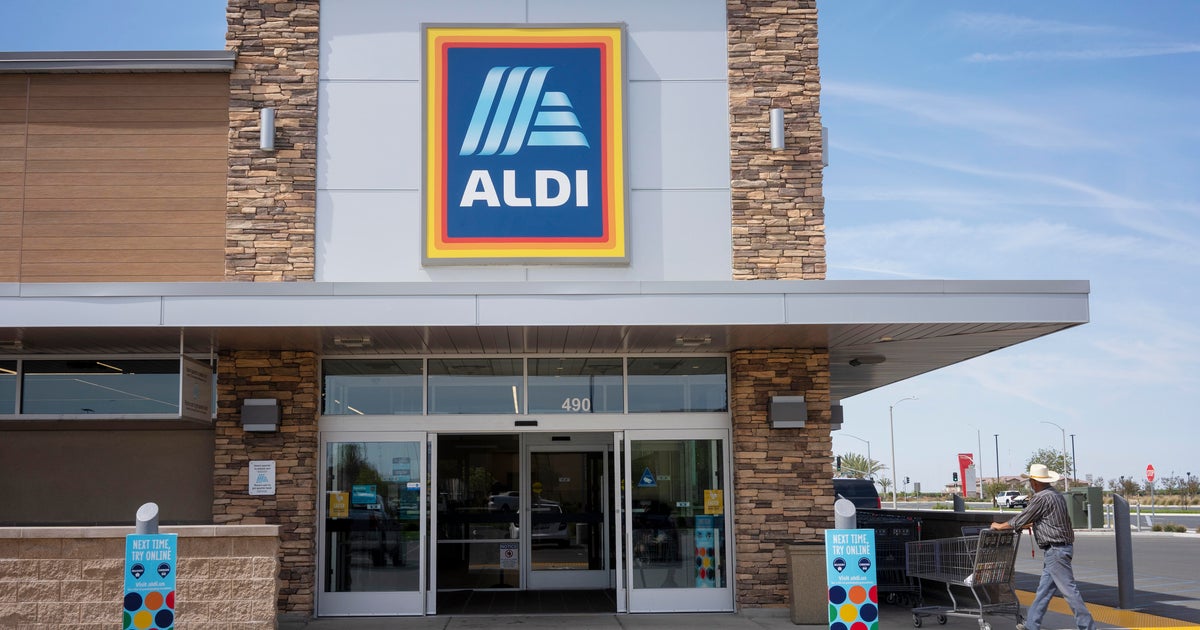
Aldi announced a major U.S. expansion as part of a $9 billion program to build 180 new stores across 31 states, including more than 50 locations in the Denver metro and Colorado Springs areas and a distribution center in Aurora expected to be completed by 2029. The retailer plans to enter Colorado within five years and build the 50 stores within two years thereafter, creating hundreds of jobs and increasing local grocery competition—potentially exerting downward pressure on prices. Aldi currently operates over 13,000 global locations (2,600+ in the U.S.), and the move signals continued network growth and logistics investment aimed at improving assortment and availability.
Market structure: Aldi’s pledge of 50 Colorado stores + an Aurora DC is a clear win for industrial real estate and distribution-linked equities (e.g., PLD) and for private-label suppliers that can scale volume quickly. Incumbent grocers—Walmart (WMT), Kroger (KR), Albertsons (ACI)—face localized share loss and margin pressure where Aldi densifies; I estimate 3–6% share redistribution in targeted zip codes over 24–36 months. Locally, expect industrial vacancy compression and rent upside in the Aurora/Denver submarket; nationally the CPI food-at-home effect is modest but measurable (order of 0.1–0.25 percentage points downward in hot zip codes over 2–3 years).
Risk assessment: Tail risks include aggressive incumbents triggering a price war (2–6 quarters) that compresses sector EBITDA margins 50–200 bps, or municipal zoning/construction delays pushing DC completion past 2029. Short-term (days–weeks) market reaction will be muted; medium-term (3–12 months) earnings guidance from WMT/KR could reflect pressure; long-term (2–5 years) Aldi’s private-label scale may permanently lower pricing power in markets it saturates. Hidden dependencies: labor availability in Aurora, supplier capacity to absorb Aldi volume, and possible local regulatory pushback.
Trade implications: Tactical plays favor industrial REIT longs (Prologis PLD) and selective shorts or underweights in exposed grocers (WMT, KR). Implement small, time-boxed positions: PLD long exposure to capture DC-driven rent rerating; pair trades go long PLD vs short WMT to isolate retail margin risk. Use defined-risk options (6–9 month put spreads) on WMT/KR to express downside without unlimited loss.
Contrarian angles: Market may underprice Aldi’s private-label deflation — historically Aldi’s entry in other metros produced multi-year value leakage for incumbents, not just one-off price dips. Conversely, consensus may overstate WMT vulnerability: Walmart’s broad non-grocery mix and scale mitigate most downside; if WMT repurposes locations or doubles down on price investments, incumbents can reassert margins. Watch for grocery real-estate churn (store closures) that creates M&A opportunities among regional chains within 12–36 months.
AI-powered research, real-time alerts, and portfolio analytics for institutional investors.
Request DemoOverall Sentiment
mildly positive
Sentiment Score
0.35
Ticker Sentiment
