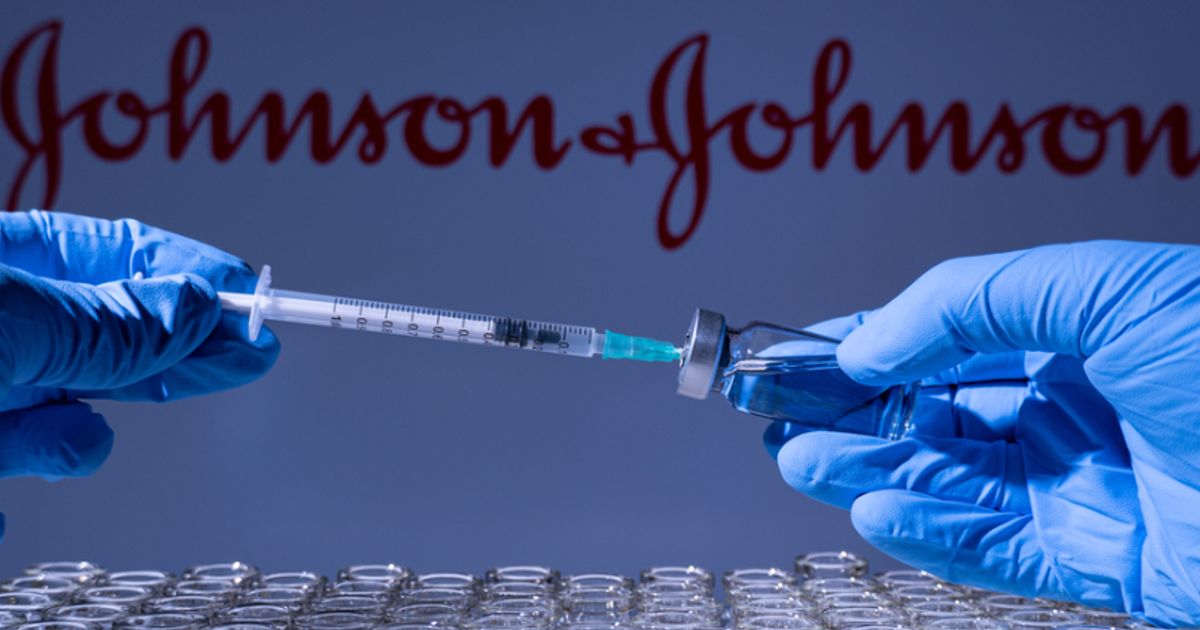
Johnson & Johnson reported Q4 sales of $24.6 billion (+9.1% reported, +7.1% operational), beating the $24.1 billion estimate, and delivered adjusted EPS of $2.46 (including a $0.10 Halda acquisition impact) versus $2.44 expected. Full-year 2025 sales rose 6% to $94.2 billion with adjusted EPS $10.79 (reported EPS $11.03); Innovative Medicines and MedTech posted operational growth of 5.3% and 5.4% respectively driven by oncology, immunology, neuroscience and electrophysiology product strength. J&J guided 2026 reported sales of $100.0–$101.0 billion (midpoint $100.5B, ~6.7% growth) and adjusted diluted EPS $11.43–$11.63 (midpoint $11.53), modestly above Street forecasts, though the stock traded down about 2.5% premarket.
Market structure: JNJ’s beat and above-guidance 2026 outlook (sales midpoint $100.5B, adj. EPS midpoint $11.53) concretely shifts share toward integrated healthcare winners — large-cap pharma/MedTech (JNJ, ABMD, SWAV) and oncology/immunology suppliers — while eroding incumbents exposed to Stelara LOE and pure-play immunology franchises. Biosimilar entrants and payers gain pricing leverage where Stelara sales decline, compressing ASPs in immunology over 12–36 months. Modest upside guidance reduces near-term downside risk for IG corporate bonds and should slightly tighten JNJ credit spreads; equity IV will compress if volatility continues to fall after the 47% YTD run.
Risk assessment: Tail risks include clinical/regulatory failure for Ottava or major oncology readouts (probability ~10–20% each, high impact), integration execution on Halda and any renewed mass tort/litigation swings. Immediate (days) risk is profit-taking (stock -2.5% preopen); short-term (weeks–months) depends on Q1 cadence and early uptake metrics for Rybrevant/Lazcluze and Ottava submissions; long-term (2–5 years) hinges on multiple myeloma franchise maturation and Stelara erosion depth. Hidden dependency: growth concentrated in high-margin oncology/MedTech makes EPS sensitive to uptake curves and reimbursement shifts.
Trade implications: Core tactical: establish a modest long in JNJ (1–2% portfolio) on strength, scale in over 4 weeks, add on pullbacks >5% within 2 weeks; hedge with a 9–12 month call spread (buy ATM, sell +12% strike) to cap cost if expecting 10–20% upside in 6–12 months. Overweight ABMD and SWAV (0.5–1% each) to express MedTech acceleration; fund by trimming small-cap biotech exposure (-2%). Use stop-loss/trim rules: reduce JNJ if adjusted EPS guidance next quarter < $11.20 or full-year sales midpoint falls < $99B.
Contrarian angles: Consensus underestimates downside from deeper Stelara share loss and potential slower Ottava adoption — the 47% run likely priced in >12 months of upside, so near-term multiple contraction risk is real. Conversely, MedTech exposure appears underpriced relative to pipeline optionality; market may be too pessimistic on MedTech recurring revenue growth if Abiomed/Shockwave contributions accelerate. Historical parallel: past JNJ rebounds after integration and new-technology cycles show 6–18 month re-rating if key readouts and surgical approvals are positive; negative readouts, however, can erase multiples quickly. Consider taking 20–30% profits on rally and redeploy into selective MedTech winners or buy protection before major readouts.
AI-powered research, real-time alerts, and portfolio analytics for institutional investors.
Request DemoOverall Sentiment
mildly positive
Sentiment Score
0.35
Ticker Sentiment
