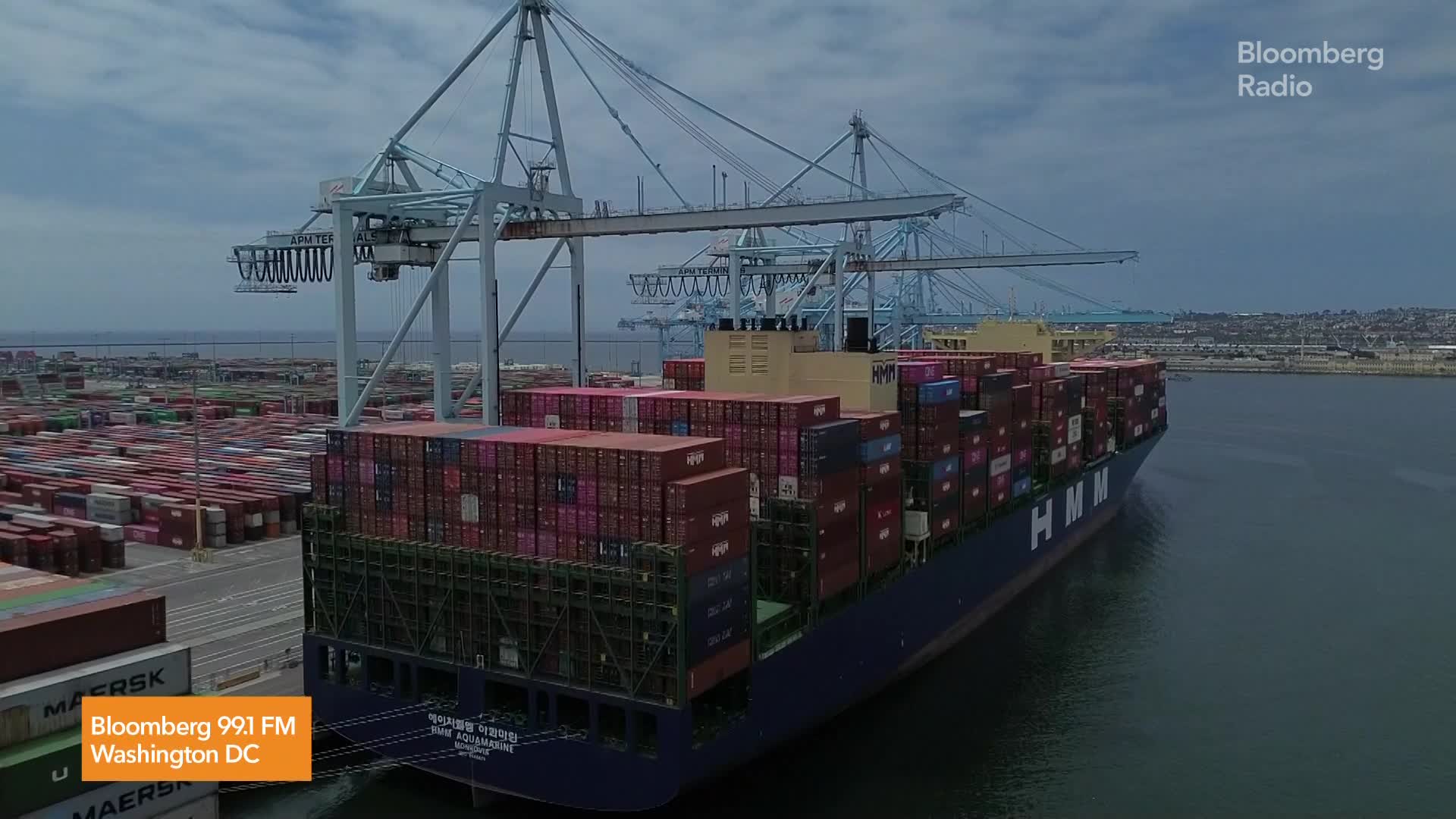
Donald Trump's escalating protectionist policies are pushing US tariff levels to their highest since the 1930s, with a looming August 1 deadline for further increases. Despite financial markets appearing to absorb the initial shock and rebound, the global economic damage is becoming evident as companies freeze capital spending, reroute supply chains, and trim margins to mitigate rising costs, signaling a tangible impact beneath market complacency.
The current US trade policy is driving tariff levels to their highest point since the 1930s, representing a significant escalation in protectionism that is approximately six times the level observed when the administration took office. A critical disconnect has emerged between financial markets and the real economy; while markets have rebounded from their April slump, seemingly pricing in a less severe outcome, tangible economic damage is mounting. Corporations are responding to the uncertainty and rising costs by freezing capital expenditures, undertaking costly rerouting of established supply chains, and absorbing financial shocks by trimming profit margins. This underlying erosion of corporate fundamentals, coupled with a looming August 1 deadline for potential new duties, suggests that the market's current stability may be fragile and understates the growing macroeconomic risks.
AI-powered research, real-time alerts, and portfolio analytics for institutional investors.
Request DemoOverall Sentiment
strongly negative
Sentiment Score
-0.70
