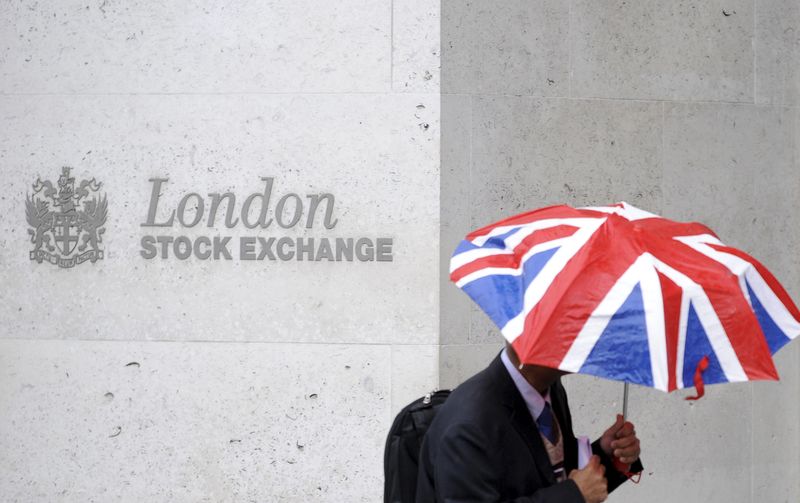
UK retail sales volumes fell 0.4% month-over-month in February 2026, beating consensus of a 0.7% decline and following a revised +2.0% in January. Markets were softer: FTSE 100 -0.4%, Germany’s DAX -1.3%, CAC 40 -0.8%, and GBP/USD down 0.4% to 1.3281 amid ongoing Middle East tensions. The Bank of England lowered and fixed pricing on its Discount Window Facility to enhance on-demand liquidity. Company moves: AstraZeneca shares +2.8% after tozorakimab met primary endpoints in two Phase III COPD trials, while Harbour Energy shares fell over 5% after BASF sold 80m shares at 273p (a 9% discount).
The market's reaction to renewed Middle East shipping activity has likely shifted risk premia rather than fundamentals: shorter-lived flow normalization reduces the probability of a sustained supply shock but raises persistent volatility in freight, insurance and spare tanker capacity that is priced into shipping equities and charter rates for the next 3–6 months. That dynamic favors asset owners with limited incremental opex exposure (tanker owners, storage operators) and penalizes activity-sensitive service providers that face lumpy capex cycles when rates swing.
On the UK macro front, an operationally easier Bank of England discount window reduces acute funding tail-risk and should compress short-term stress premia in gilts and bank funding curves; this is a headwind to volatility-driven trading strategies but a modest tailwind for UK financials over the next quarter. Concurrent retail softness implies a multi-quarter drag on ad monetisation and consumer-facing discretionary margins—expect revenue-per-user and CPI-linked pricing power to be the marginal battleground for adtech and consumer tech names over 2–8 quarters.
Within healthcare and technology, recent clinical and trial developments (and the market repricing that follows) materially change optionality: they accelerate regulatory/HTA milestone timing and increase M&A or licensing takeout probability, compressing implied volatility in the underlying equity but opening clear event-driven windows over 6–18 months. By contrast, ad-driven mobile platforms face near-term demand risk that is already signalled by consumer weakness; data-center/AI infrastructure vendors retain a defensive growth premium, making them logical hedges or longs versus adtech exposure.
AI-powered research, real-time alerts, and portfolio analytics for institutional investors.
Request DemoOverall Sentiment
neutral
Sentiment Score
0.00
Ticker Sentiment
