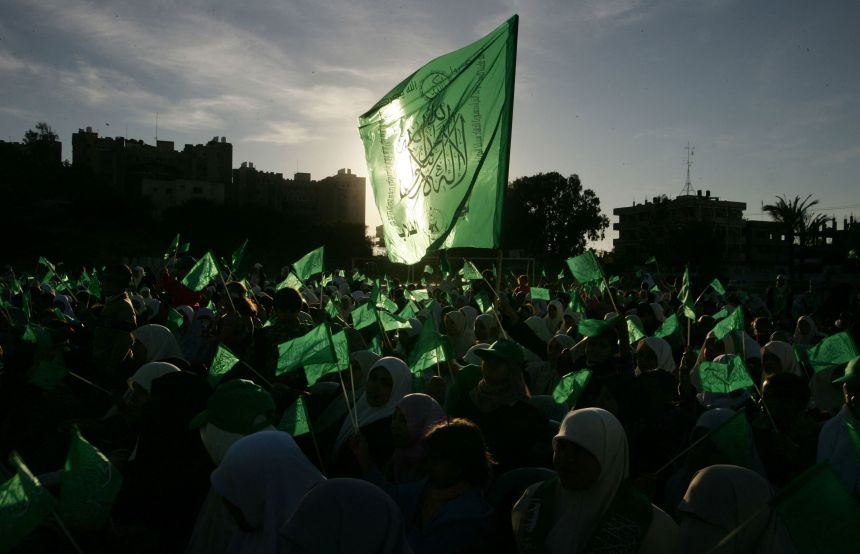
A new proposed agreement for Gaza, dubbed "Trump's Gaza deal," outlines a significant geopolitical shift, including the bifurcation of the territory with Israeli control over half and the eventual deployment of an international security force. This deal reportedly reflects major concessions from Hamas, which has freed all living hostages and yielded on most demands due to mounting regional pressure, potentially signaling reduced immediate conflict risk. However, the plan's success hinges on establishing the international force and addressing Hamas's continued influence, which remains a critical factor for regional stability and future reconstruction prospects in Gaza.
The recently brokered "Trump's Gaza deal" outlines a significant geopolitical shift, bifurcating the territory with Israeli forces controlling over half, including all border areas, indefinitely. This agreement marks a substantial retreat by Hamas, which has reportedly freed all living hostages and conceded Israel's control, a departure from its previous unwavering demands. These concessions are attributed to mounting regional pressure, the defeat of Hezbollah, and the deaths of key Hamas leaders, contributing to a moderately positive sentiment regarding immediate conflict risk.
The deal's success hinges critically on the establishment and deployment of an interim international security force to replace Israeli units, a process expected to take months. Until this force is operational, Gaza is likely to remain unstable and bifurcated, with Hamas potentially reclaiming power in areas "above the yellow line" and continuing its entrenched political and security apparatus. The article highlights Hamas's history of violence and its continued threat to Palestinians opposing its rule, underscoring the cautious tone despite the positive developments.
The US is positioned as the sole global power capable of leading the effort to implement the 20-point plan, including standing up the security force and reconstruction, drawing parallels to the successful ISIS campaign. This strategy emphasizes separating civilians from Hamas's control through secure areas and assistance. The long-term objective is a Gaza without Hamas, deemed essential for regional peace and rehabilitation, requiring sustained pressure from regional partners like Qatar, Turkey, and Egypt.
AI-powered research, real-time alerts, and portfolio analytics for institutional investors.
Request DemoOverall Sentiment
moderately positive
Sentiment Score
0.40
