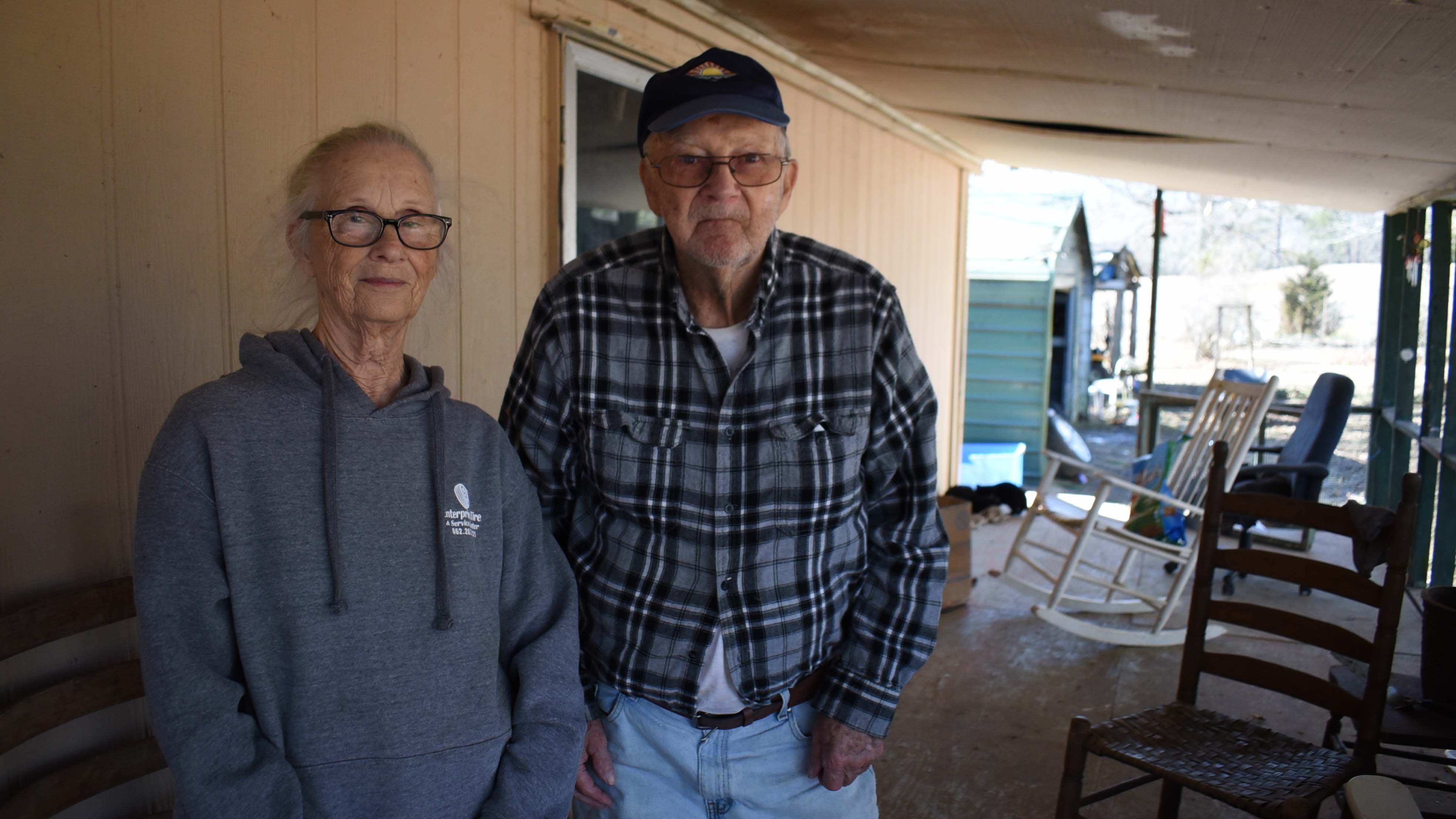
An ice storm in northern Mississippi left nearly 15,000 customers without electricity almost two weeks after the event (down from about 180,000 at peak), with Lafayette County reporting ~3,244 outages, Tippah 2,879, Panola >2,000 and Yalobusha and Tishomingo >1,700 each. Residents are relying on gas heaters, hauling water and using buckets to flush toilets, while volunteer groups have cleared debris, patched roofs and served more than 16,000 free meals — indicating prolonged local infrastructure strain, short‑term disruption to household consumption and potential incremental repair costs for utilities and municipalities.
Market structure: This localized ice storm creates clear short-term winners — backup generator manufacturers (Generac GNRC), big-box home improvement retailers (HD, LOW), regional propane distributors and tree-removal/roofing contractors — because outages (from ~180k to ~15k still) produce concentrated replacement/repair demand for 2–12 weeks. Losers are underfunded distribution utilities/electric co-ops (local credit pressure) and regional P&C insurers facing elevated claims; pricing power accrues to firms with inventory and logistics capacity, suggesting 5–20% regional revenue bumps for vendors in affected categories over weeks, not quarters.
Risk assessment: Tail risks include cascading grid failures, rapid regulatory action forcing accelerated vegetation management (increasing utility opex/capex by potentially hundreds of millions regionally) and supply-chain shortages (generators, lumber) that could push lead times from weeks to 8–12 weeks. Immediate risk window is days–weeks (demand spike), medium-term is 1–6 months (repairs, claims), long-term is 1–3 years (policy/capex shifts); monitor state disaster declarations and insurer loss ratio disclosures within 30–90 days.
Trade implications: Direct short-term plays favor GNRC (backup power) and HD/LOW (repairs) via option call spreads expiring 2–3 months out to cap cost; medium-term overweight in electrical/equipment names (Eaton ETN, Honeywell HON) for 12–24 months to capture grid-resilience capex. Hedging pair: long GNRC or HD vs. a small short in the utilities ETF (IDU) to express operational/regulatory underperformance; size positions 0.5–3% each with clear stop-losses (10–15%).
Contrarian angle: The market underestimates repeated micro-climate events driving secular resilience capex — an overweight in electrical hardware and resiliency integrators over 12–36 months is plausibly underpriced. Counterpoint: growth in battery+solar adoption is an endpoint risk that can cap generator TAM in 2–5 years; historical parallels (post-storm GNRC spikes) show quick revenue pops then normalization, so favor nimble, event-driven sizing rather than permanent large capex allocations.
AI-powered research, real-time alerts, and portfolio analytics for institutional investors.
Request DemoOverall Sentiment
mildly negative
Sentiment Score
-0.25
