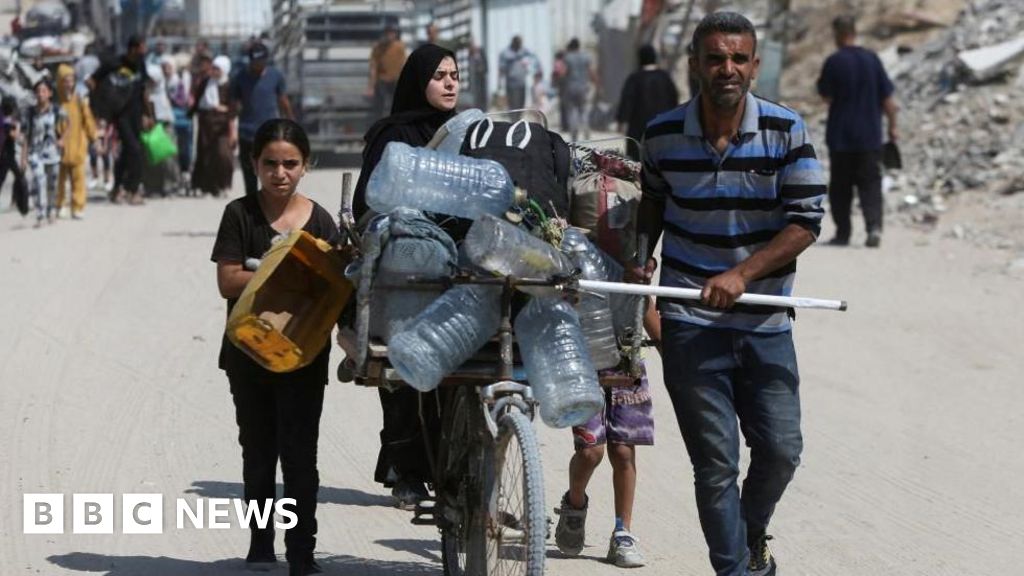
Aid distribution centers in Gaza will be closed for a day after the IDF declared roads to the sites "combat zones," following multiple deadly incidents involving Israeli fire near the centers. The Gaza Humanitarian Foundation (GHF), a US and Israel-backed aid network aiming to replace the UN-led distribution, is facing criticism for its model, which requires Gazans to travel long distances to militarized zones for supplies; the UN warns of starvation risks and describes the GHF's approach as endangering lives, while calling for an investigation into the recent deaths.
The humanitarian situation in Gaza has critically deteriorated with the temporary closure of aid distribution centers and the Israeli military (IDF) designating access routes as "combat zones." This action follows at least three deadly incidents near these locations, including one where Israeli fire reportedly killed 27 Palestinians, prompting UN calls for an independent investigation. The Gaza Humanitarian Foundation (GHF), a US and Israel-backed organization intended to supplant UN aid efforts, has paused operations for "improvements" amidst severe criticism of its model, which requires Gazans to traverse militarized areas for aid. UN officials have described the GHF's approach, involving armed American contractors and long, perilous journeys for aid recipients, as "a demonstration of how not to do humanitarian aid" and one that "puts people's lives at risk," with aid distribution becoming a "death trap." The UN also raised concerns about the GHF's lack of clarity and accountability, and the presence of unidentified armed individuals at distribution sites, against a backdrop of over two million Gazans facing starvation. The appointment of Reverend Dr Johnnie Moore, a known supporter of former US President Donald Trump, as GHF's new head, following the departure of its previous chief who criticized the GHF model, adds a political dimension to the organization's controversial operations. The "extremely negative" sentiment (-0.8) and "pessimistic" tone underscore the gravity of the developments reported, with the low-to-moderate market impact score (0.35) suggesting that while severe, the immediate systemic financial market repercussions are not yet perceived as high by the signal provider, though geopolitical risks are clearly elevated.
AI-powered research, real-time alerts, and portfolio analytics for institutional investors.
Request DemoOverall Sentiment
extremely negative
Sentiment Score
-0.80
