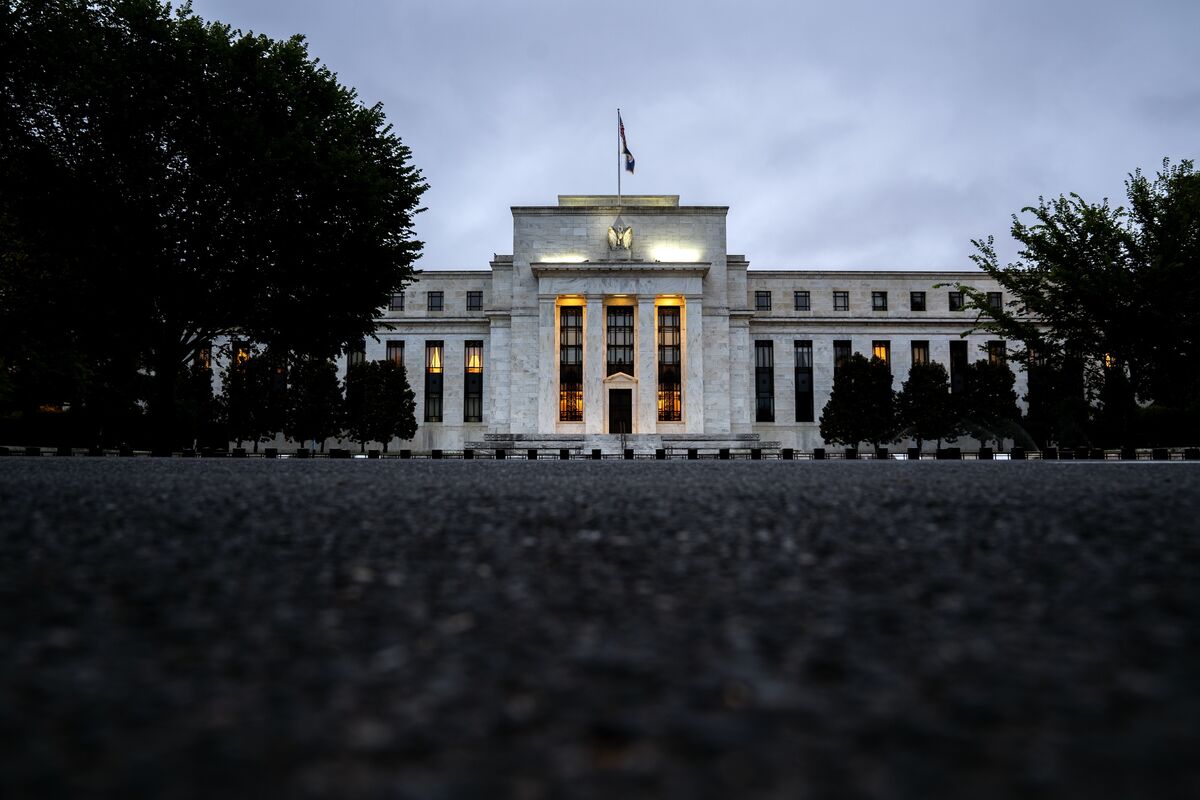
Usage of the Federal Reserve's Reverse Repo Facility (RRP) has dropped to its lowest level since April 2021, signaling a substantial reduction in liquidity parked at the Fed. This decline is largely attributed to increased Treasury bill issuance offering more attractive yields, drawing cash out of the RRP. The trend reflects evolving money market dynamics and could impact short-term interest rates and the overall liquidity landscape.
Usage of the Federal Reserve's Reverse Repo Facility (RRP) has declined to its lowest level since April 2021, a significant development in money market dynamics. This reduction is primarily driven by increased issuance of Treasury bills, which are offering more attractive yields and drawing substantial cash away from the facility. The trend indicates a meaningful redeployment of liquidity from being passively parked at the Fed to actively funding government debt, a key objective of the ongoing quantitative tightening process. This shift directly impacts the short-term liquidity landscape and influences funding rates; as the RRP buffer diminishes, the market's focus will invariably turn to the level of bank reserves, a more critical component of financial stability.
AI-powered research, real-time alerts, and portfolio analytics for institutional investors.
Request DemoOverall Sentiment
moderately positive
Sentiment Score
0.50
