
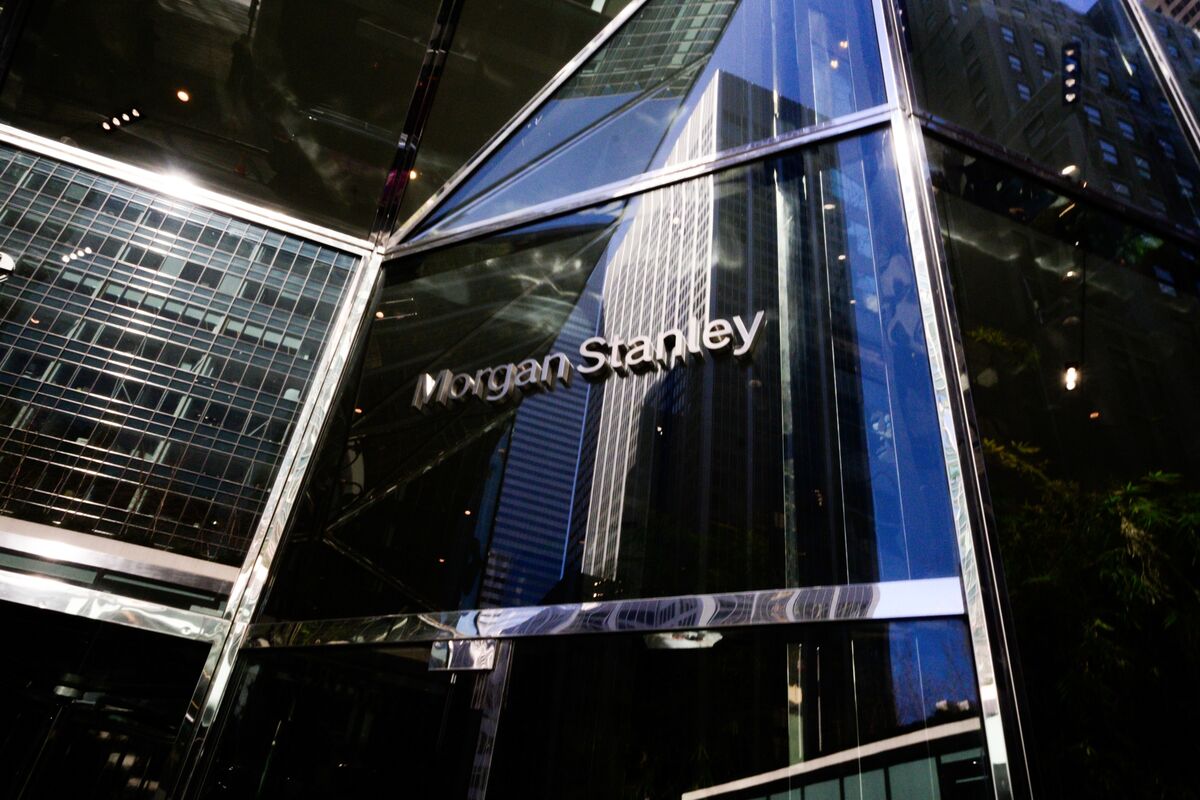
Morgan Stanley launched an investment-grade bond sale Wednesday, coming just hours after reporting a record quarter in equity trading. The deal includes up to four parts with maturities from four to 11 years, and the longest tranche is being marketed at about 1.25 percentage points above Treasuries. Proceeds will be used for general corporate purposes.
Morgan Stanley is effectively monetizing a window of unusually clean funding conditions: post-earnings strength tends to compress new-issue concessions, so the bank is likely locking in term debt before markets fully reprice its improved profitability and trading momentum. The subtle winner is not just MS equity holders but the unsecured creditor stack, because a large, diversified capital markets franchise with strong near-term revenue visibility typically sees tighter CDS and better secondary performance after a well-received deal.
Second-order, this is a read-through on the bank funding complex. If MS can print size at a modest spread in multiple maturities, it puts pressure on peer issuers to come with deals while the window is open, which can temporarily cheapen spreads across large-cap bank senior paper. For equity investors, the signal matters more than the coupon: management is choosing to term out liabilities when confidence is high, which usually indicates they expect balance-sheet usage and client activity to stay elevated over the next 1-2 quarters.
The main risk is a reversal in rates volatility or equity volumes, which would quickly widen spreads and make this issuance look ill-timed in hindsight. Over the next few months, the key catalyst is whether the earnings outperformance proves durable or was mostly a one-quarter trading spike; if markets fade and underwriting/IB pipelines don’t reaccelerate, the market will start valuing this as peak-cycle financing rather than proactive liability management.
Contrarian angle: the optimistic interpretation may be overdone if investors assume strong trading automatically translates into better medium-term credit quality. In reality, peak capital-markets earnings often coincide with the best funding windows because management knows the cycle can turn; that means the bond deal is as much a hedge against normalization as it is a sign of strength.
AI-powered research, real-time alerts, and portfolio analytics for institutional investors.
Request TrialOverall Sentiment
mildly positive
Sentiment Score
0.35
Ticker Sentiment
