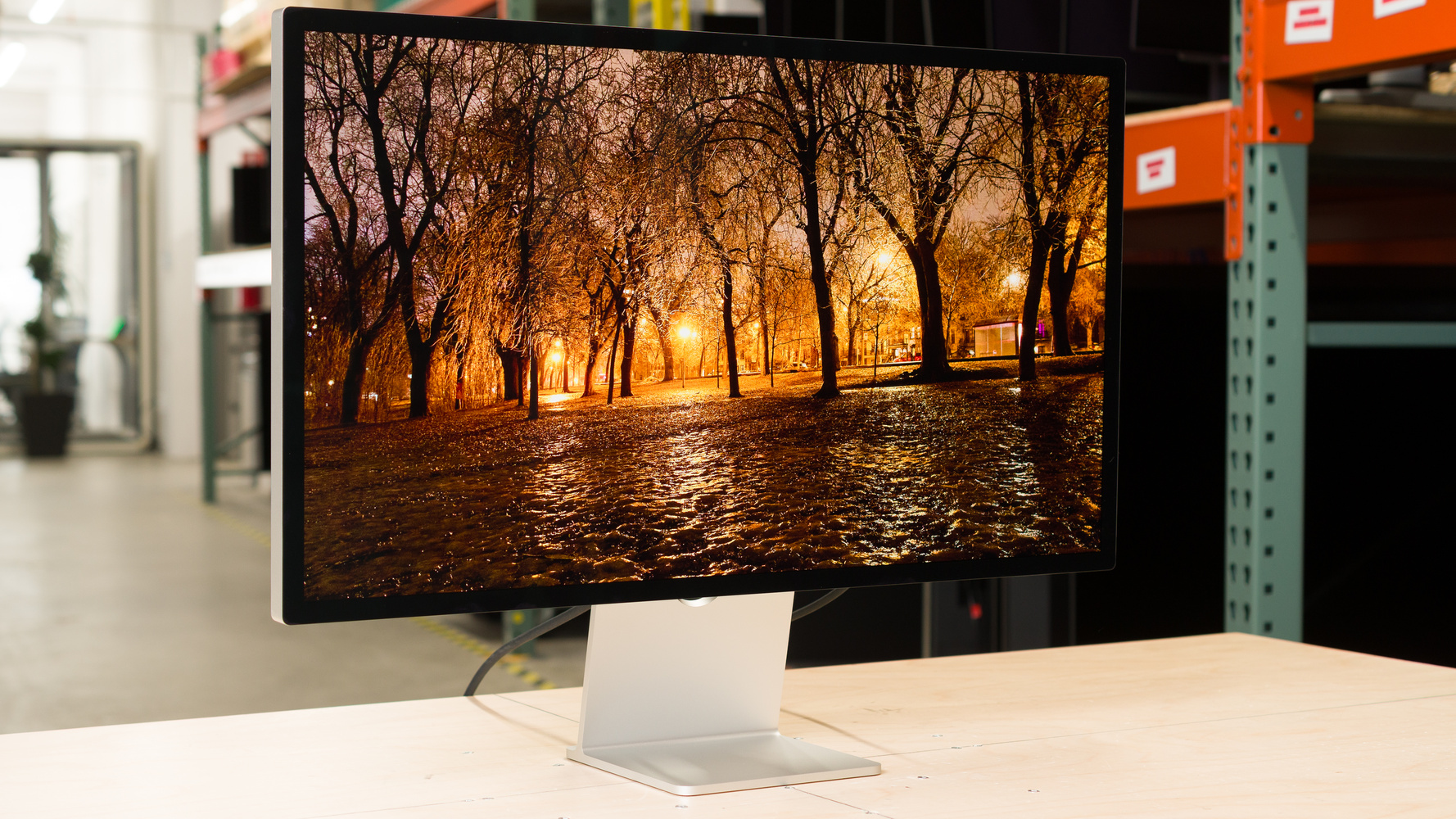
387 monitors were bought and tested in a product review roundup that includes models across categories (budget, 4K, 1440p, OLED, ultrawide) and highlights an Apple Studio Display 2026 review. The piece is a consumer-facing buying guide and comparison tool; it discloses affiliate links and membership support. No corporate financials, guidance, or market-moving announcements are reported.
Premium monitor demand is bifurcating the hardware supply chain: enterprise/creator-focused SKUs (high-ASP, color-critical panels) are driving a concentrated revenue stream for aftermarket vendors that own distribution and channel relationships. For a company with direct channel exposure and recurring B2B procurement contracts, a 5-10% uplift in attach rates for 27–32" premium displays can translate to mid-single-digit revenue upside and disproportionately higher gross margin expansion over 6–12 months because panel bill-of-materials are fixed-cost intensive.
On the supply side, constrained capacity for QD‑OLED and high-end IPS panels creates a two-tier pricing environment — spot panel prices remain volatile and can move ASPs by ±8–12% within a quarter as OEMs reallocate limited yields to the highest-margin SKUs. That amplifies second-order winners: companies that can flex inventory allocation (vertical distributors, channel-sticky OEMs) will capture a larger share of the upside, while pure retail-exposed brands will see margin erosion if spot prices mean-revert.
Key catalysts and risks are timing-sensitive: near-term retail promotional cycles and GPU launches can spike replacement demand within 0–3 months, while corporate refresh cycles and new content-creation workflows will determine sustained buy rates over 6–24 months. Tail risks include a faster-than-expected decline in panel spot prices or enterprise IT budget retrenchment — either could shave projected ASP gains within a single quarter and compress multiples.
Consensus underweights the inventory & panel-price signal as a leading indicator; tracking channel days-of-inventory and >10% moves in panel spot indices provides an earlier, higher-confidence read than waiting for quarterly orders. That makes this a tactical trade window: position for 3–12 month structural winners while keeping a tight signal-based stop tied to panel-price and channel-inventory flows.
AI-powered research, real-time alerts, and portfolio analytics for institutional investors.
Request DemoOverall Sentiment
neutral
Sentiment Score
0.00
Ticker Sentiment
