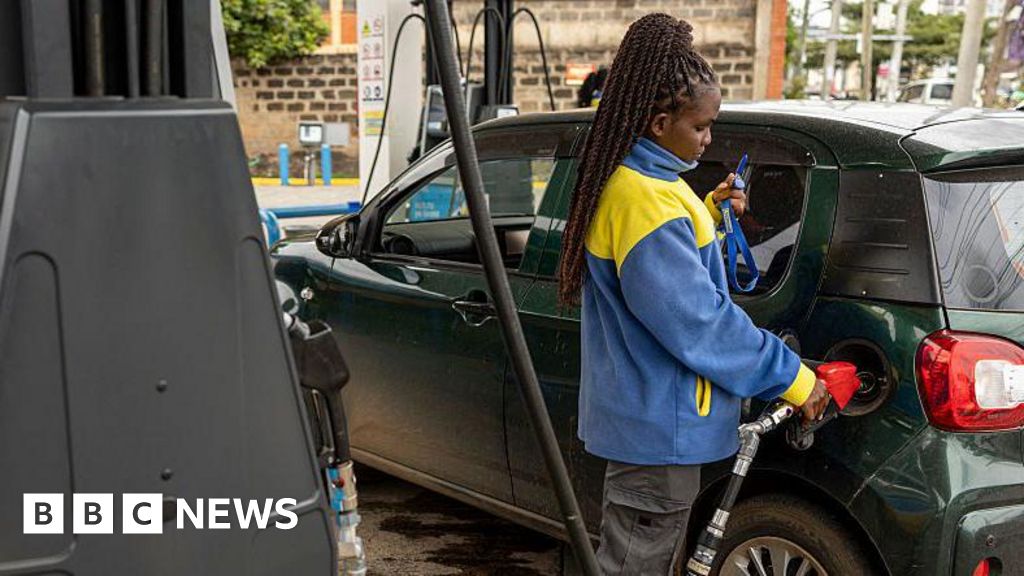
Multiple African countries are implementing emergency measures due to fuel disruptions from the Iran war: Zimbabwe will raise ethanol content in petrol from 5% to 20% and petrol prices have risen ~40% in under a month. Mauritius has only ~21 days of oil stock and is sourcing higher-cost fuel from Singapore; South Sudan (which generates 96% of its electricity from oil) has begun daily rotational power cuts (roughly 16:00–04:00), and Ethiopia/Kenya are prioritising fuel for key sectors. Rerouting shipping around the Cape of Good Hope may benefit southern African ports and Nigeria could gain from higher oil prices, but consumers and export-reliant industries (e.g., Kenya floriculture, >$4.2m lost) face immediate cost and supply pressures.
The immediate, underpriced beneficiary is maritime transport and bunkering: longer Cape-of-Good-Hope routings raise voyage time by ~30–50% versus Red Sea legs, mechanically boosting TCE rates and bunker demand for VLCC/AFRAMAX/containership sectors over the next 1–3 months. Integrated traders and global refiners with trading/bunkering desks (large majors) capture both higher freight and elevated crack arbitrage volatility, but their downstream exposure can mute spot upside if retail prices are politically capped.
Import-dependent African economies are a second-order loser via FX and fiscal channels — persistent premium on marine insurance and longer sails will widen import bills, pressuring sovereign liquidity and likely forcing short-term monetary tightening that can lift local yields 50–150bps in fragile credits within months. Perishable exporters (flowers, fruits) suffer immediate margin compression and channel churn; expect a multi-week liquidity squeeze for small exporters that can cascade into higher working-cap financing needs.
Time horizons matter: market micro effects (panic buying, temporary stock-outs) play out in days; logistic re-routing and tanker utilization shocks crystallise over 1–3 months; refinery and supply-chain rebalancing (alternate suppliers, ethanol mix changes) resolve over 3–12 months. Key reversal catalysts include a secured shipping corridor or rapid diplomatic settlement that would collapse rerouting premia by an estimated 30–50% within weeks, and aggressive supply response from major producers that can shave oil-price-driven cost shocks.
Tradeable implication: prefer convex, capped-loss exposure to shipping/tanker upside and selective options on integrated majors while hedging EM beta — avoid directional long EM spot given fiscal and FX risks. Size positions modestly (single-digit percent of discretionary risk budget) and use 3–6 month expiries to capture the likely window of sustained rerouting premiums.
AI-powered research, real-time alerts, and portfolio analytics for institutional investors.
Request DemoOverall Sentiment
moderately negative
Sentiment Score
-0.45
Ticker Sentiment
