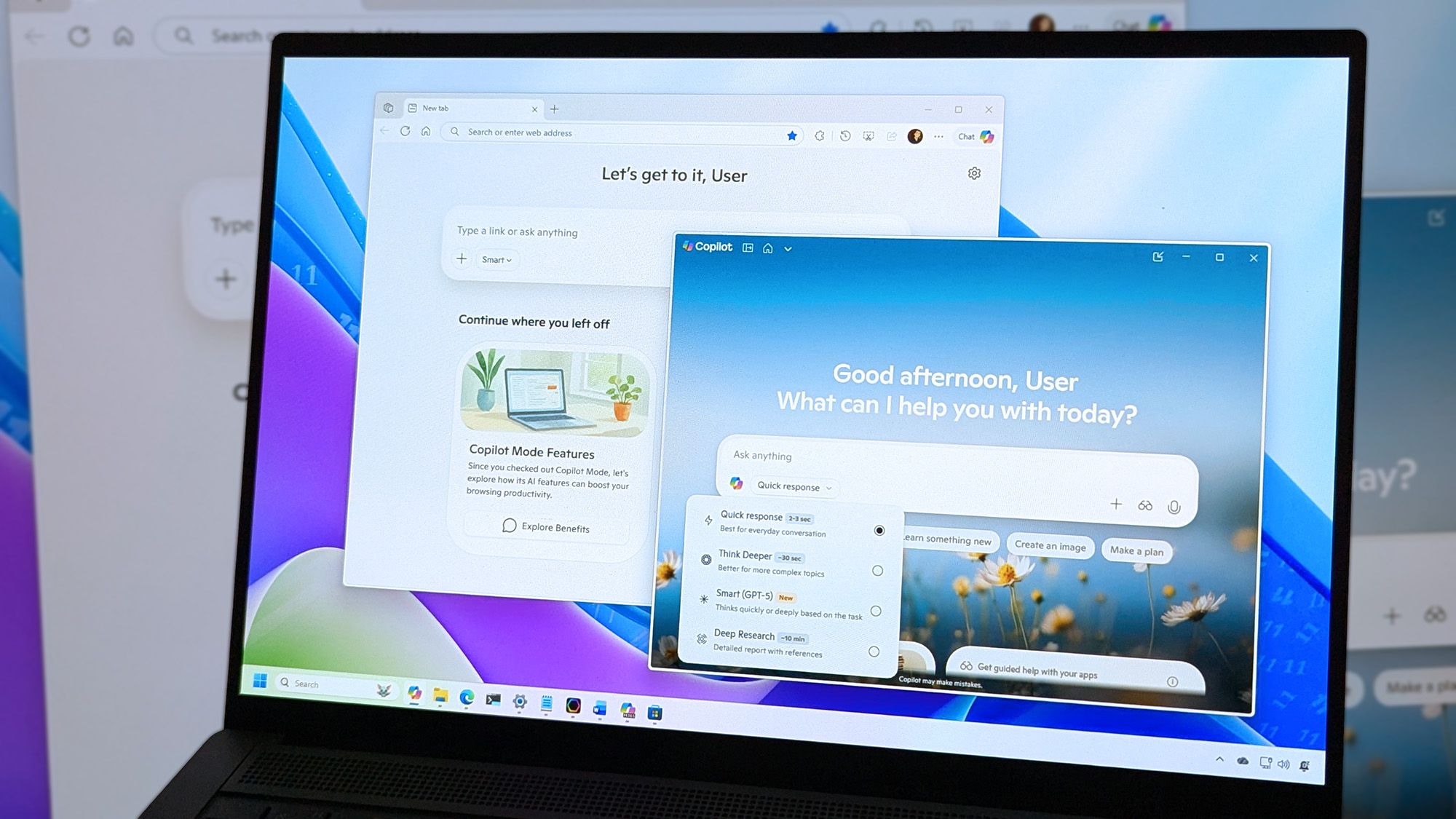
Microsoft's aggressive integration of AI (Copilot and broader agentic features) into Windows 11 has spurred user backlash and the emergence of third-party tools such as Winslop (from the FlyOOBE developer) designed to remove Microsoft-instigated AI components and other unwanted OS elements. The article highlights ongoing adoption resistance to Windows 11, friction over Windows 10 end-of-support and ESU arrangements (including an EEA concession), and potential reputational and user-retention risks for Microsoft; however, implications are largely consumer-facing and operational, posing limited near-term market-moving financial impact.
Market structure: Microsoft's push to agentic AI in Windows creates winners in AI infrastructure (NVDA, AMD, MSFT Azure services) and cybersecurity (CRWD, PANW) as third‑party tools proliferate; losers are consumer‑facing OEM upgrade cycles (DELL, HPQ) and MSFT's goodwill with consumers, risking slower upgrade rates ~5–10% vs prior expectations over 12–24 months. Competitive dynamics: persistent user pushback and tools like Winslop lower pricing power of bundled OS services and increase aftermarket demand for privacy/debloat solutions, fragmenting share away from Microsoft in consumer telemetry services but likely leaving enterprise lock‑in intact.
Risk assessment: tail risks include EU/antitrust fines or forced unbundling (10–25% downside to MSFT valuation under an aggressive enforcement scenario), large malware vectors from third‑party bypass tools increasing liability, and enterprise procurement shifts if upgrade adoption stalls; key catalysts are MSFT earnings (next 1–2 quarters), EU regulatory actions (30–180 days), and major Windows feature rollouts. Hidden dependencies: OEM hardware sales and Azure AI monetization are linked—slower consumer upgrades reduce telemetry/entitlement revenue but may be offset by higher Azure Copilot enterprise spend; second‑order effect: higher cybersecurity budgets.
Trade implications: tactically underweight MSFT near‑term via 1–2% portfolio hedge (buy 3‑month MSFT 10% OTM puts sized to hedge 1–2% equity exposure) and rotate 3–12% portfolio into cybersecurity (CRWD, PANW, FTNT) for 6–12 months targeting +15–30% upside on continued spend. Pair trade: long CRWD (6–12 months) and short MSFT (via options or 0.5–1% notional) to express security reallocation vs OS bundling. Maintain long NVDA exposure for secular AI compute demand but trim on 20–30% rallies. Entry: initiate within 2–6 weeks; exit or reassess on MSFT guidance or EU regulatory announcement within 60–120 days.
AI-powered research, real-time alerts, and portfolio analytics for institutional investors.
Request DemoOverall Sentiment
mildly negative
Sentiment Score
-0.30
Ticker Sentiment
