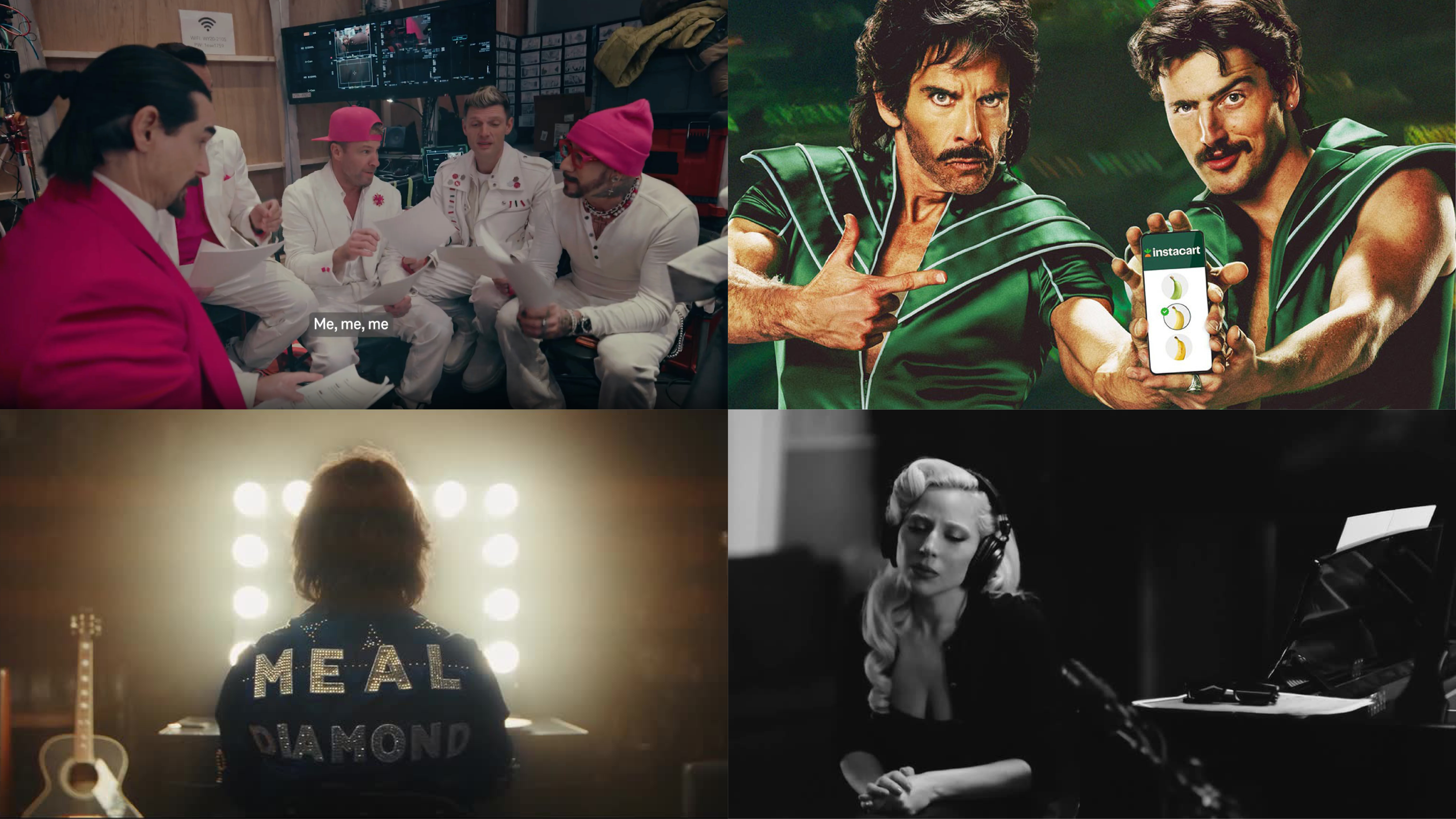
Major consumer brands including T‑Mobile, Volkswagen and Redfin are using millennial nostalgia in Super Bowl advertising to better engage modern audiences. While the piece highlights a marketing trend rather than financial results, the tactic could modestly influence brand awareness and consumer engagement metrics ahead of key sales periods.
Market structure: Millennial-nostalgia Super Bowl creatives primarily benefit brand owners who convert attention into measurable demand (examples: TMUS, VWAGY, RDFN) and the ad-tech/media platforms that monetize incremental viewership (ROKU, META, GOOGL). Short-term pricing power accrues to premium inventory sellers (CPMs likely +5–15% week-of-event) while overall ad budgets may reallocate from lower-ROI channels, pressuring legacy linear TV and pure-play retail media over months. Cross-asset: modest equity upside for cyclicals exposed to ad-driven sales, small positive for high-yield credit spreads in ad-heavy consumer names; FX/commodities impact is negligible.
Risk assessment: Tail risks include creative backlash/brand misfires, regulatory scrutiny on targeted creative, or a macro shock that forces ad-budget cuts—each could wipe out campaign goodwill within 30–90 days. Immediate effects (days) are engagement spikes; short-term (weeks–months) are traffic/conversion lifts testable by Google Trends, app downloads, or site visits; long-term (quarters) requires repeat purchase/market-share data to validate ROI. Hidden dependencies include measurement attribution, earned-media multipliers, and agency fee structures that can dilute net benefit to the advertiser.
Trade implications: Tactical trades favor selective exposure to winners with measurable short-term KPIs: small long positions in TMUS (consumer branding) and ROKU (streaming ad monetization) with defined entry triggers; avoid large outright positions in legacy broadcasters (DIS) unless CPM normalization is confirmed. Use options to cap downside (defined-risk call spreads for longs, put spreads for legacy TV shorts). Timing: enter within 7–21 days post-game as engagement data arrives; reassess at 90 days.
Contrarian angles: Consensus over-weights creative virality; history shows Super Bowl buzz often reverts within 30–60 days unless supported by product fundamentals. Mispricings exist in under-owned ad agencies (OMC, IPG) that may see booking bumps not yet priced; unintended consequence: brands may overspend on nostalgia, raising creative costs and compressing ROIs—watch thresholds (search lift <10% or conversion lift <5% over 14 days) as sell signals.
AI-powered research, real-time alerts, and portfolio analytics for institutional investors.
Request DemoOverall Sentiment
neutral
Sentiment Score
0.00
