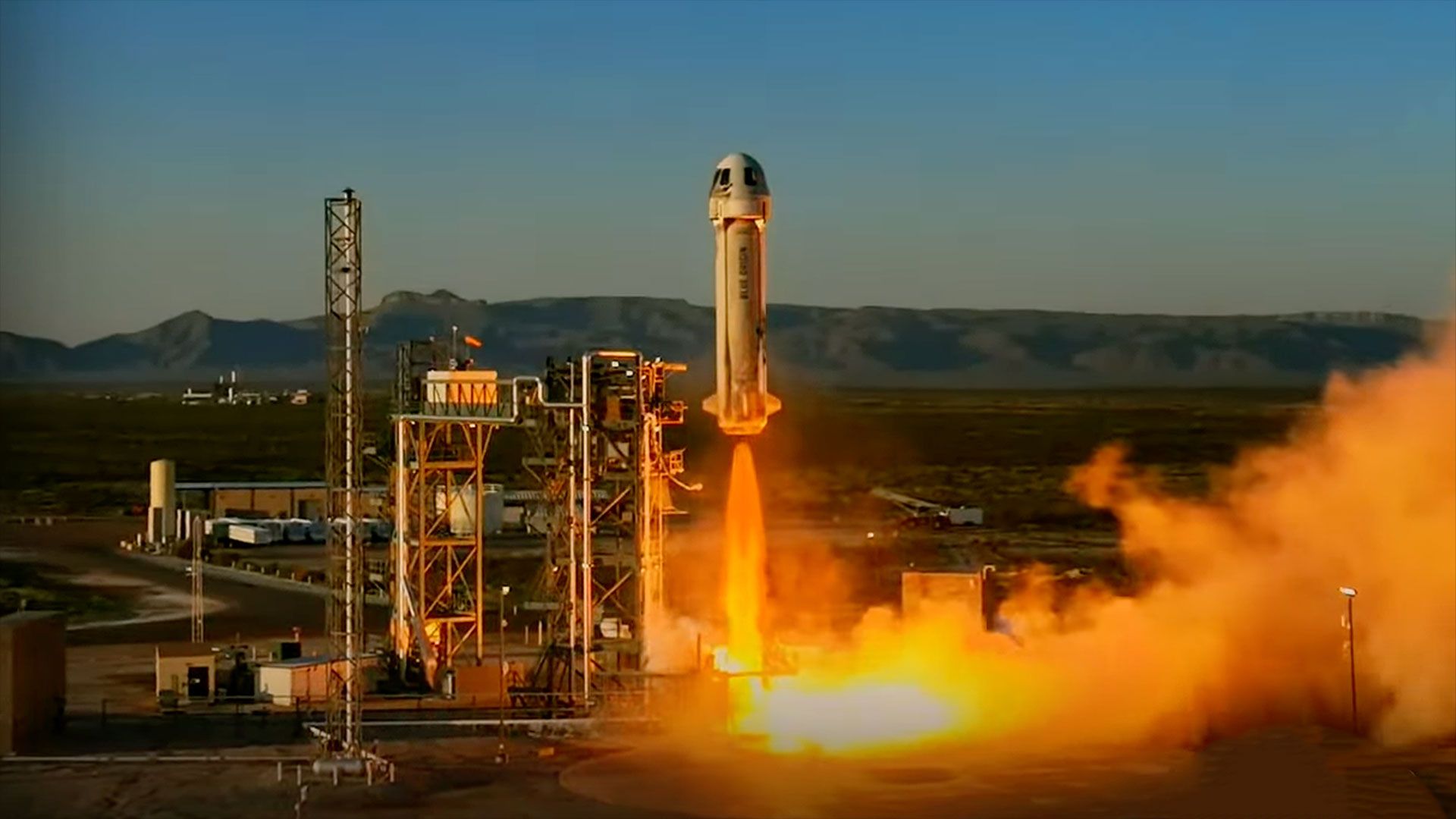
Blue Origin has grounded its New Shepard suborbital space‑tourism vehicle for at least two years to reallocate resources toward developing its human lunar capabilities, including the Blue Moon lander under a NASA contract. Blue Moon is targeted to carry astronauts on Artemis 5 in 2029, with a robotic lunar demonstration planned later this year; New Shepard has completed 38 flights (17 crewed) carrying 98 passenger flights (92 unique individuals). The decision pauses a revenue‑generating tourism product and shifts the company’s near‑term operational focus toward long‑lead, government‑contracted lunar development, implying limited near‑term commercial cash flows but potential upside if NASA milestones are met.
Market structure: Blue Origin pausing New Shepard removes a modest but visible layer of suborbital seat supply for ~2 years, concentrating leisure demand onto fewer providers (notably Virgin Galactic, ticker SPCE) and lowering short-term competitive pressure on pricing in suborbital tourism. Defense and space-infrastructure contractors (RTX, NOC, LMT, BA, MAXR) gain optionality because engineering resources are being reallocated toward lunar-capability development, which increases the probability of multi-year NASA/subcontract revenue if Blue Moon progresses to its targeted robotic demo later this year and crewed work toward 2029.
Risk assessment: Tail risks include a Blue Moon demo failure (large negative read-through to suppliers), renewed NASA bid protests or re-awards, and potential cash reallocation if Bezos deprioritizes funding — each could materialize within 3–18 months and cause >20–40% downside for exposed small-cap suppliers. Near-term (days–weeks) volatility will center on SPCE and small-cap launch names; medium-term (6–24 months) risk is schedule slippage for Artemis and supplier backlog. Hidden dependencies: NASA schedule, launch-pad cadence, and DoD/contractor spend decisions; catalysts are the Blue Moon robotic demo (due later this year) and any NASA contract updates.
Trade implications: Tactical trades: volatility in SPCE and RKLB is the clearest market inefficiency — defined-risk call spreads on SPCE (3-month) and selective long exposure to public launch/supplier names (RKLB, MAXR) capture asymmetric upside while limiting drawdowns. Longer-duration core trades: overweight large defense primes (RTX, NOC) by 1–3% portfolio weight to capture stable Artemis-backlog cashflows into 2029. Use options to cap downside on speculative names; reweight on demo outcome within 30 days.
Contrarian angles: Consensus underestimates that pausing tourism can materially increase Blue Origin's probability of winning and executing lunar work — a successful robotic demo this year would re-rate niche suppliers and non-prime subcontractors by 20–50% over 12–36 months. The market may also be underpricing the upside to large-cap aerospace suppliers vs speculative tourism names; historical parallel: SpaceX’s move from small launches into government contracts produced outsized, multi-year re-rating. Unintended consequence: consolidation risk for public space-tourism stocks if seats and demand reallocate, amplifying winners and crushing thinly capitalized challengers.
AI-powered research, real-time alerts, and portfolio analytics for institutional investors.
Request DemoOverall Sentiment
neutral
Sentiment Score
0.00
