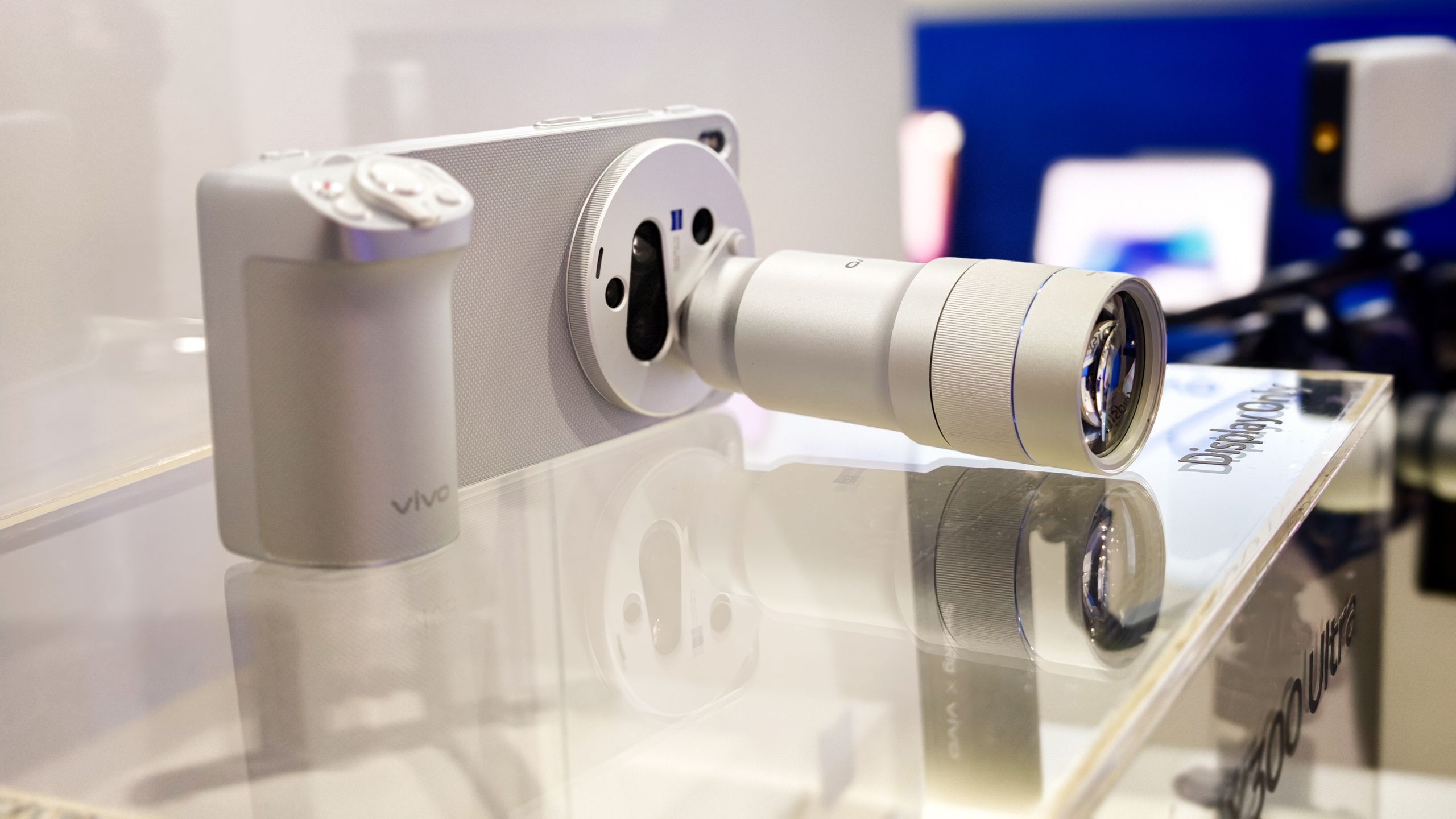
Vivo unveiled the X300 Ultra in China featuring dual 200MP cameras (1/1.12" Sony Lytia 901 main with OIS and 1/1.4" ISOCELL HP0 tele with 85mm focal length and OIS), a 50MP 14mm wide with OIS, and end-to-end video capabilities including 4K@120fps Dolby Vision. Key specs include Qualcomm flagship silicon, 12GB/16GB RAM, up to 1TB storage, a 6,600mAh battery and a 6.82" OLED 144Hz display; China pricing starts at 6,999 RMB (~$1,012) with a planned global launch later this year. The device is positioned as a camera/video flagship that could pressure rivals (Samsung, Xiaomi, Google) in the premium segment, though global pricing and commercial availability will determine its competitive and stock-market impact.
This product going global shifts more economic value from OEMs to imaging suppliers rather than chipset vendors: high-end optical stacks and sensors are becoming the defining differentiator consumers and reviewers notice first, which amplifies pricing power for best-in-class sensor makers. If even a small share (2–4M units) of premium-flagship sales migrates to a device using Sony’s top-tier sensors over the next 6–12 months, that can translate to a mid-single-digit percentage lift in Sony’s image-sensor revenue and a disproportionate bump to margin because high-resolution modules carry higher ASPs and aftermarket licensing/algorithm service potential.
Qualcomm benefits but to a lesser degree; premium phone SoC content is necessary but not sufficient to win camera-of-the-year headlines, so Qualcomm should see modest incremental ASP upside rather than a step-change in volumes. Over the next 2–4 quarters expect Qualcomm to capture some add-on revenue from RF/modem and ISP variants, but that is vulnerable to channel-level pricing pressure as Chinese OEMs trade off component costs to preserve retail competitiveness in Europe and SEA.
Key second-order dynamics to monitor: (1) sensor supply tightness — if Sony becomes capacity-constrained, price/mix benefits could persist for 12–18 months, but foundry/back-end capacity and optics (lens modules, OIS actuators) will be the choke points; (2) software/calibration wins matter — negative early reviews on color science can wipe out hardware premium within weeks, making early hands-on reviews and initial sell-through critical catalysts. Also watch competitive responses from other sensor/module suppliers and how Chinese OEMs use aggressive pricing or bundled financing in Western markets to blunt premium ASPs.
AI-powered research, real-time alerts, and portfolio analytics for institutional investors.
Request DemoOverall Sentiment
mildly positive
Sentiment Score
0.35
Ticker Sentiment
