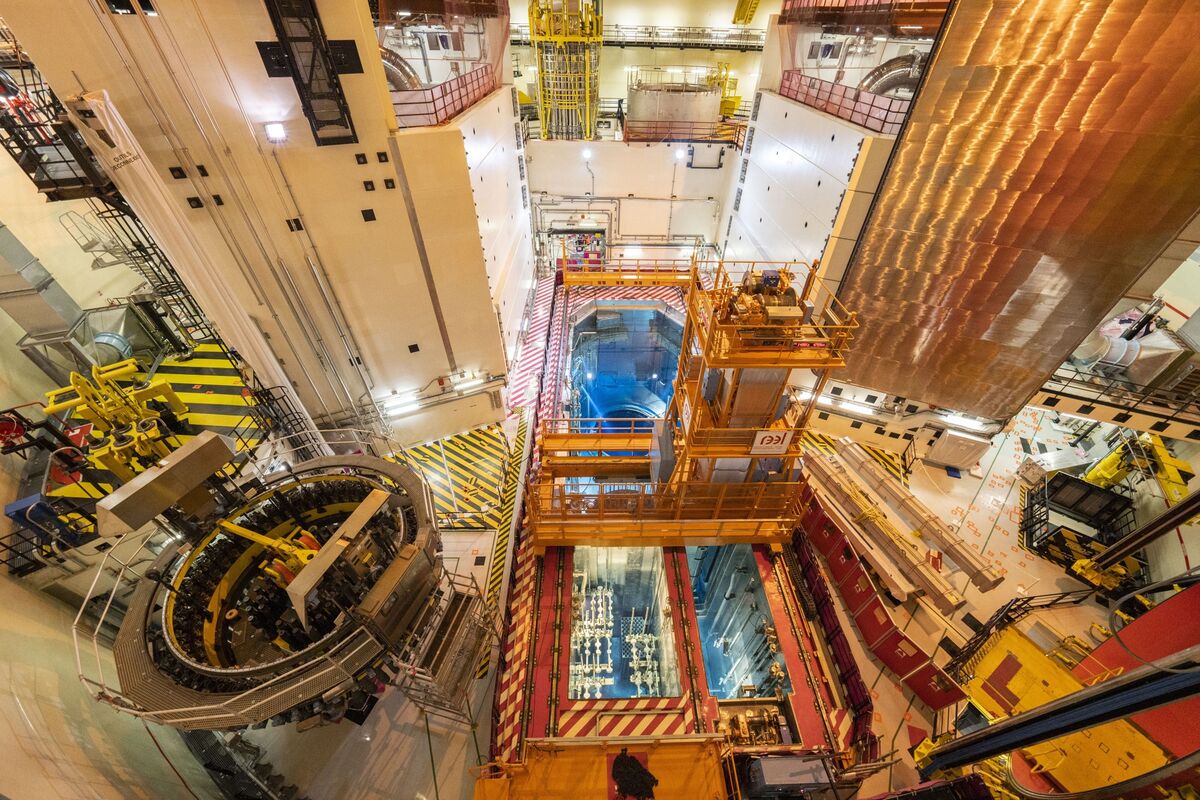
Nuclear power, which experienced a significant decline in its global electricity generation share from 18% in the mid-1990s to 9% today, is now showing signs of a revival. This potential resurgence contrasts with the historical trend in many Western countries, where development was curtailed due to high construction costs and cheaper alternatives, even as China, India, and Russia continued expanding their nuclear industries.
The nuclear power sector, long in a structural decline that saw its share of global electricity generation halve from 18% in the mid-1990s to 9% today, is now exhibiting nascent signs of a revival. This potential inflection point follows a period where many Western nations halted development due to prohibitive construction costs and the availability of cheaper energy alternatives. In contrast, nations such as China, India, and Russia have maintained continuous expansion of their nuclear capacity, creating a geographical divergence in the industry's footprint. The emerging comeback narrative suggests a potential re-evaluation of nuclear energy's role, likely driven by evolving energy security and climate policy considerations, which could challenge the long-standing economic hurdles that previously suppressed investment in the West.
AI-powered research, real-time alerts, and portfolio analytics for institutional investors.
Request DemoOverall Sentiment
moderately positive
Sentiment Score
0.45
