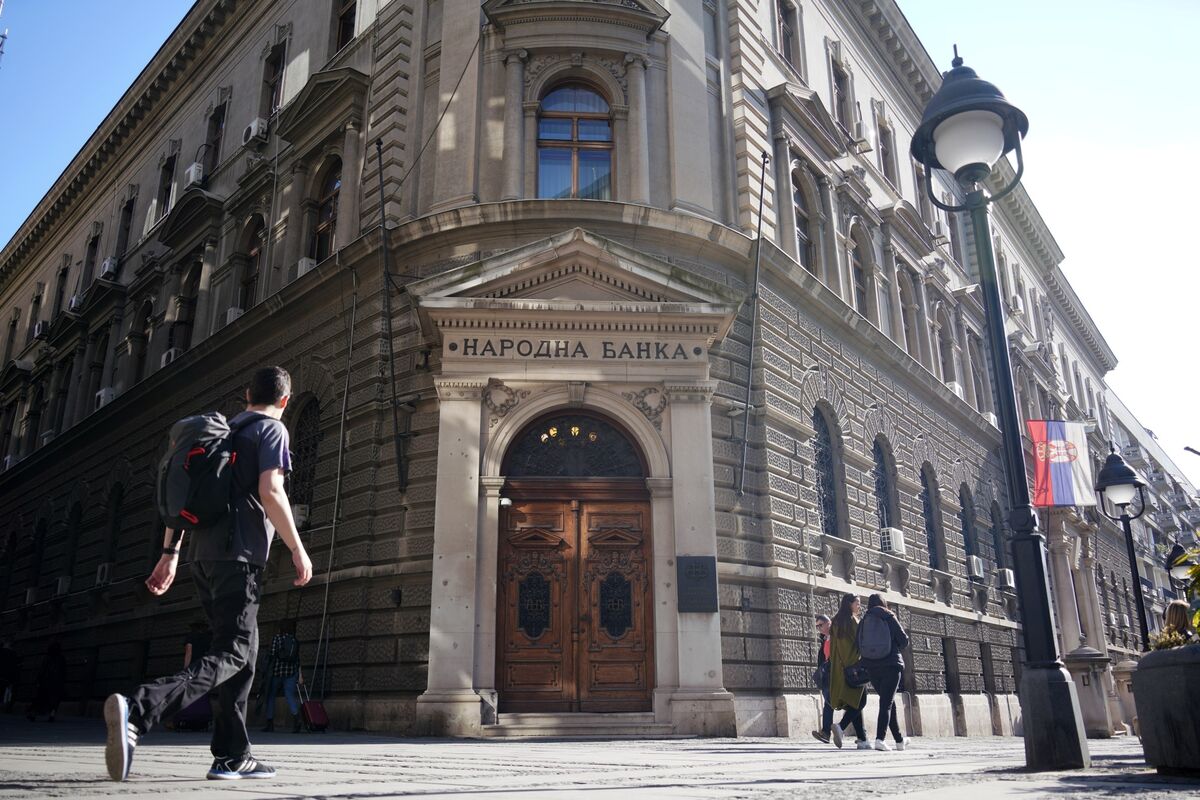
The National Bank of Serbia maintained its one-week repurchase rate at 5.75% for the 11th consecutive month, prioritizing inflation control over concerns about weaker economic growth. This decision follows a notable surge in annual inflation to 4.6% in June from 3.8% in May, which has pushed it beyond the central bank's target range.
The National Bank of Serbia has maintained its one-week repurchase rate at 5.75% for the eleventh consecutive month, a decision that signals inflation containment is its primary policy objective, superseding concerns over weakening economic growth. This hawkish stance is a direct response to a significant acceleration in the annual inflation rate, which jumped to 4.6% in June from 3.8% in May. This surge marks the second time this year that inflation has breached the upper boundary of the central bank's target range, indicating persistent and growing price pressures. While the decision to hold rates was anticipated by the market, the underlying data reveals a challenging macroeconomic environment where the central bank is forced to prioritize price stability even at the potential cost of short-term economic activity.
AI-powered research, real-time alerts, and portfolio analytics for institutional investors.
Request DemoOverall Sentiment
moderately negative
Sentiment Score
-0.50
