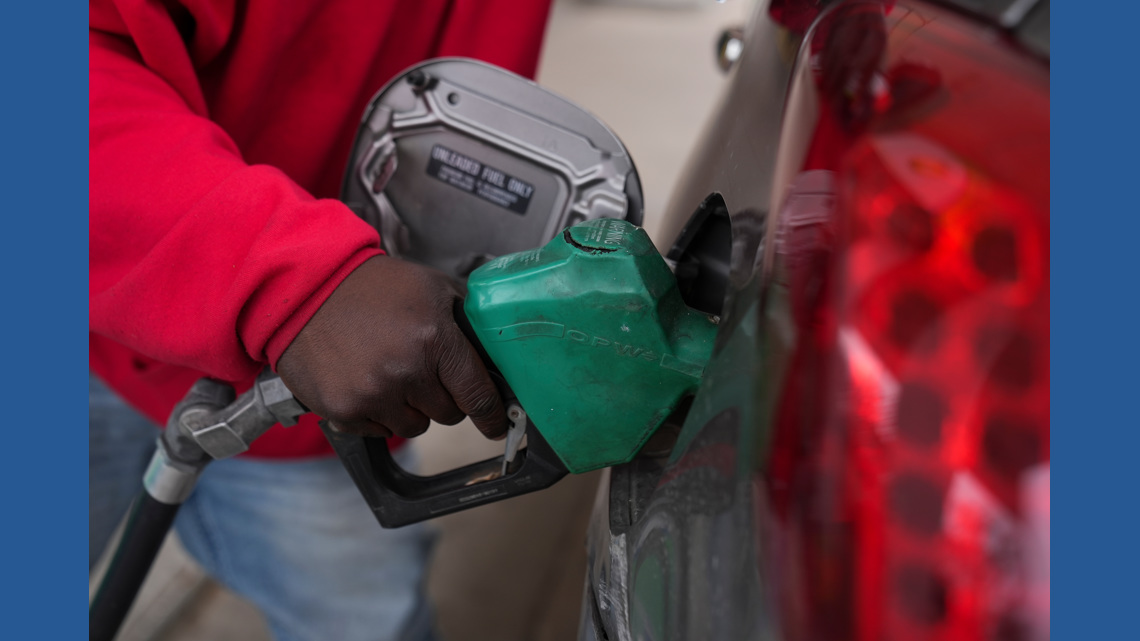
The EPA temporarily authorized broader summer sales of E15 (15% ethanol) to help lower gasoline prices amid the Iran war. The move is likely to have modest, localized impact — constrained by state rules, infrastructure and ethanol supply — and could trade lower pump prices for higher grocery costs (less corn for feed) and increased summer ozone/health risks, while providing short-term relief to farmers facing higher diesel and fertilizer costs.
The EPA waiver is a near-term demand shock to the ethanol/corn complex that transmits to multiple agricultural and energy nodes on different clocks. If E15 displaces E10 at scale for even a single summer, the incremental ethanol lift is measured in billions of gallons (5% blend point × U.S. gasoline demand ≈ 7bn gal) which translates into multi-hundred-million to low-single-billion bushel moves in corn demand within months — big enough to reprice nearby corn forwards and force larger hedge activity across processors and livestock producers.
Infrastructure and legal limits mean pump-level relief will be patchy and front-loaded: consumer price per gallon can move within days in regions with blender capacity, but national gasoline crack compression is likely modest and transient. Conversely, agricultural input markets respond with longer lags — fertilizer demand/price and basis moves in corn will evolve over quarters, squeezing livestock margins and raising grocery-price inflation risk that could offset some consumer gasoline gains.
Politically this is a lever with tail-risks: if adoption widens or the waiver becomes semi-permanent (an election-cycle policy outcome), the structural demand profile for corn and for renewable fuel credits (RINs) changes; but pushback from states, OEM warranty concerns, and public-health litigation around summertime ozone provide plausible reversal catalysts. That asymmetry — quick localized pump effects vs. slower, larger agricultural reallocation — opens clear arbitrage and hedging windows across commodities, processors, and fertilizer names over 1–12 month horizons.
AI-powered research, real-time alerts, and portfolio analytics for institutional investors.
Overall Sentiment
mixed
Sentiment Score
0.00
