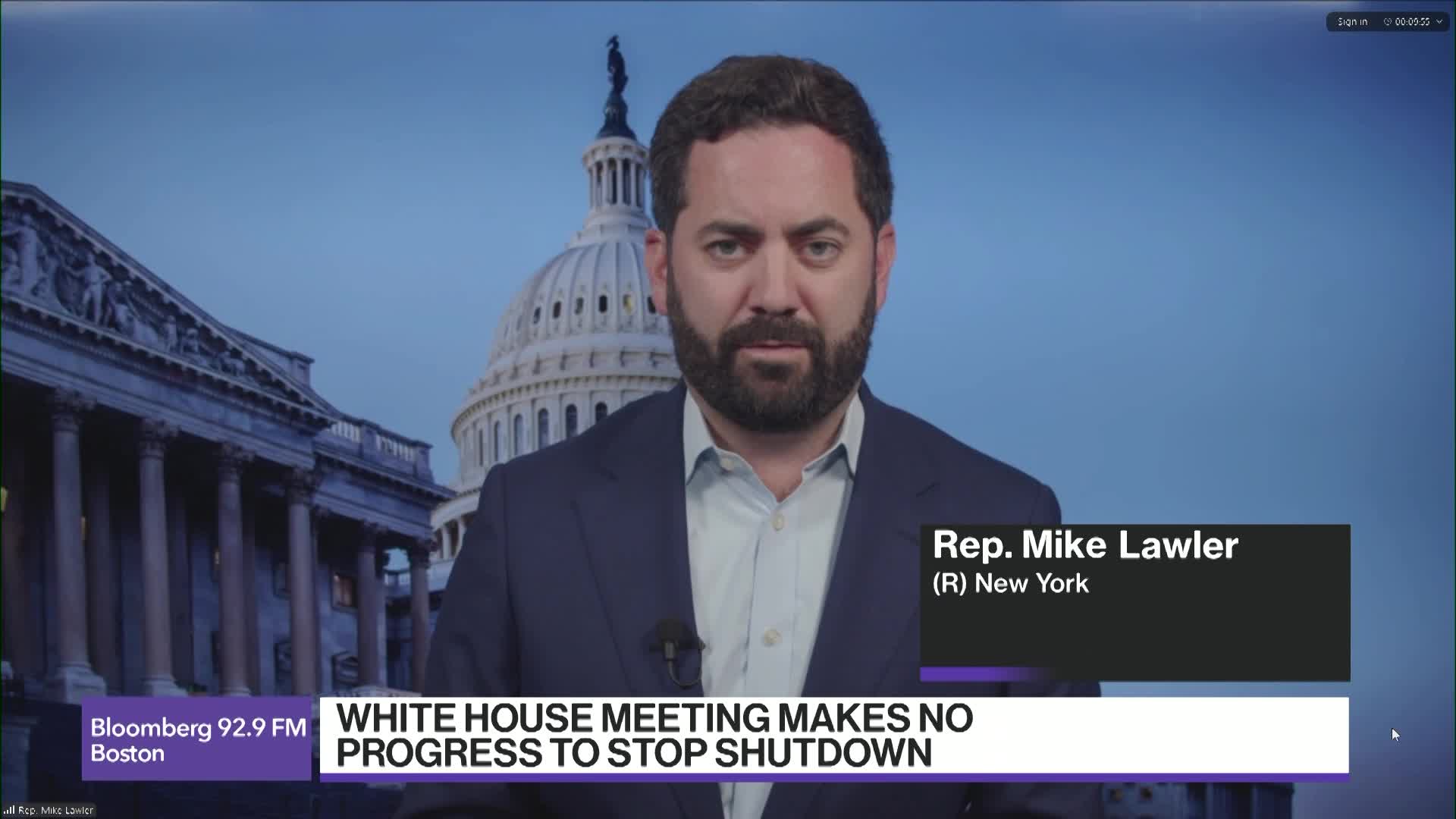
A potential government shutdown is a prominent political and economic concern, with Democrats reportedly evaluating its costs ahead of midterm elections. This looming fiscal uncertainty, coupled with calls from figures like Senator Johnson to eliminate such disruptions, suggests ongoing political volatility that could influence market sentiment and policy outlook.
The primary market headwind is the increasing probability of a U.S. government shutdown, driven by political maneuvering ahead of midterm elections, as indicated by reports of Democrats evaluating its potential costs. This fiscal uncertainty, underscored by Senator Johnson's call to eliminate such disruptions, contributes to a 'strongly negative' market sentiment and significant policy-driven volatility. The situation is compounded by a complex geopolitical backdrop, which includes a proposed peace plan for Gaza. The confluence of domestic political gridlock and international tensions creates a pessimistic and unstable environment for investors, raising concerns about future government spending, economic stability, and overall market direction, as reflected by the moderately high market impact score of 0.6.
AI-powered research, real-time alerts, and portfolio analytics for institutional investors.
Request DemoOverall Sentiment
strongly negative
Sentiment Score
-0.50
