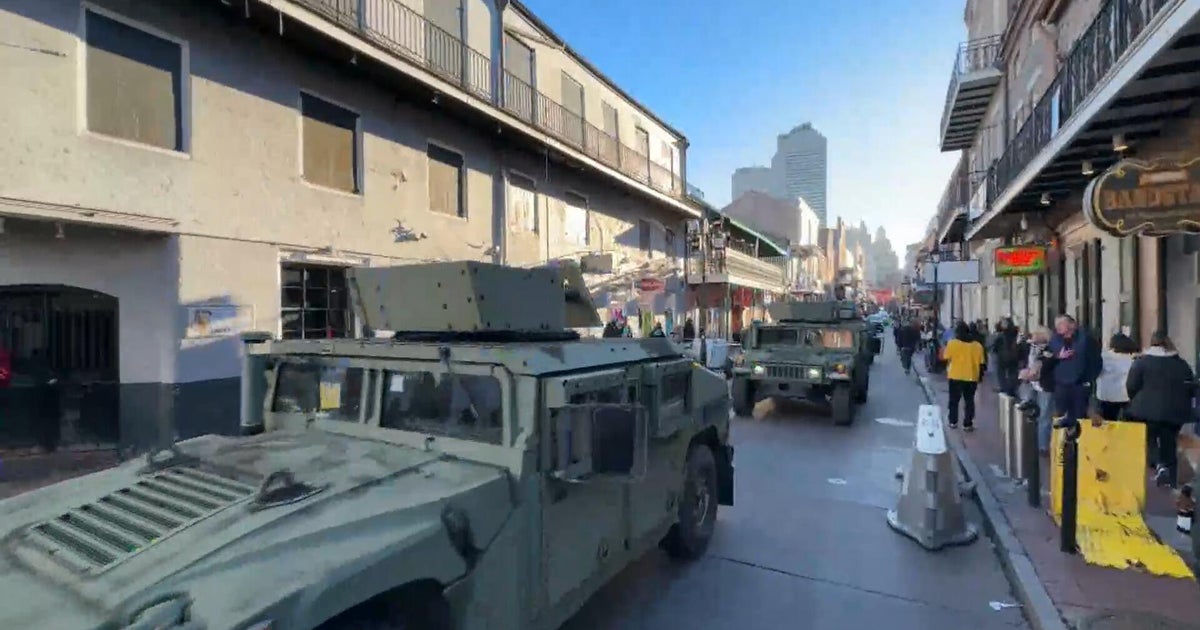
New Orleans has deployed hundreds of National Guard troops in a two-month security operation in the French Quarter following a New Year’s Day vehicle attack that killed 14 and injured dozens; 80 plaintiffs have sued the city alleging some perimeter barriers failed or were not in use. Only one gate rated to stop vehicles above 40 mph has been installed so far, the Louisiana attorney general has completed an investigation (findings not released), and the city plans a post-election vote on installing more barriers — presenting potential municipal liability, reputational risk to the tourism sector, and likely capital spending on upgraded physical protections.
Market structure: This event creates localized winners (physical security integrators, systems integrators and homeland-security contractors) and losers (French Quarter–centric hospitality, small operators dependent on easy vehicle access). Expect a modest reallocation of municipal/city budgets toward hardened perimeter infrastructure and surveillance over 12–24 months, benefiting names exposed to municipal security contracts; pricing power for barrier/surveillance vendors could rise 5–15% locally but will be diluted nationally.
Risk assessment: Tail risks include a large city settlement (> $50–100m) or a damning AG report within 30–90 days that forces accelerated capital spending and higher muni borrowing costs for New Orleans—this would widen local muni spreads by 50–150bp. Short-term (days–weeks) volatility centers on tourism flows and event cancellations; medium-term (3–12 months) risk is litigation and election-driven policy changes; long-term (1–3 years) is structural change to pedestrianization affecting local logistics and commercial real estate cash flow.
Trade implications: Direct plays favor modest longs in defense/security integrators with municipal exposure (eg, LDOS, CACI, BAH, LHX) sized 1–2% portfolio with 6–12 month horizons, financed by trimming direct exposure to New Orleans/Louisiana-specific munis and regional hospitality names (eg, CZR, MAR). Use options to express view: buy 6–9 month LEAP calls on LDOS/CACI (small notional) and short 1–3 month 5% OTM puts on Caesars (CZR) to hedge event-driven drawdowns during peak tourism seasons.
Contrarian angles: The market will over-index to defense equities while underpricing muni credit deterioration and hospitality downside; consensus may underreact to multi-year operating impacts if Bourbon Street becomes permanently pedestrianized (logistics revenue loss 5–10% for some operators). If the AG report is benign, a rapid mean reversion in hospitality names is possible — set triggers (AG report release; municipal spread move ±50bp) to pair unwind or accelerate allocations.
AI-powered research, real-time alerts, and portfolio analytics for institutional investors.
Request DemoOverall Sentiment
moderately negative
Sentiment Score
-0.42
