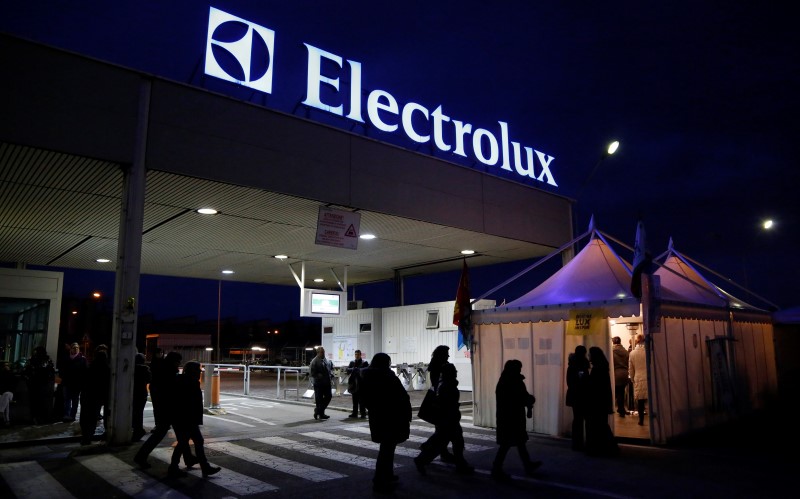
Shares fell over 7% after BofA cut Electrolux to 'underperform' and trimmed the price target to 50 SEK (stock at 62.82 SEK), implying a ~30% discount to historical valuation (~6x EV/EBITDA FY27). Analysts forecast EBIT headwinds of 1bn SEK in 2026 and 2bn SEK in 2027, with a potential 4bn SEK annual hit if freight rates remain ~30% higher; plastics inflation (~30%) alone is estimated to add a 1.3bn SEK cost headwind. Group earnings estimates for 2026–27 were reduced by ~16–26% as weak demand and rising logistics/raw material costs pressure margins.
The market move embeds a classic squeeze: durable-goods manufacturers are facing a simultaneous margin shock from logistics and raw-material channels, which amplifies cyclical revenue weakness into multi-year earnings damage unless firms can both reprice and reconfigure supply chains. A sustained logistics premium will not only depress EBITDA margins but also force inventory and working-capital swings that amplify cash-flow volatility and increase the probability of negative guidance cycles over the next 6–18 months.
Second-order winners and losers will diverge along supply-chain ownership lines. Firms with vertically integrated sourcing, regional manufacturing footprints, or strong direct-to-consumer pricing power will gain share; conversely, global-volume-focused OEMs with thin pricing power will cede margin and market share. Expect faster secular moves toward near-shoring and automation investment — a multi-quarter capex wave that benefits industrial automation and materials-handling equipment vendors rather than pure shipping equities long-term.
Key catalysts to watch: (1) freight-rate normalization tied to geopolitical de-escalation (fast, within 1–3 months) which would sharply reduce downside risk for exposed OEMs; (2) raw-material price trajectories and forward hedging activity (medium, 3–9 months) which determine whether margin hits are transitory or structural; and (3) company-level price-pass-through actions and inventory burn rates (quarterly). Monitoring container-rate indices, producer-hedge disclosures, and OEM margin guidance cadence will distinguish temporary pain from permanent impairment.
AI-powered research, real-time alerts, and portfolio analytics for institutional investors.
Overall Sentiment
strongly negative
Sentiment Score
-0.70
