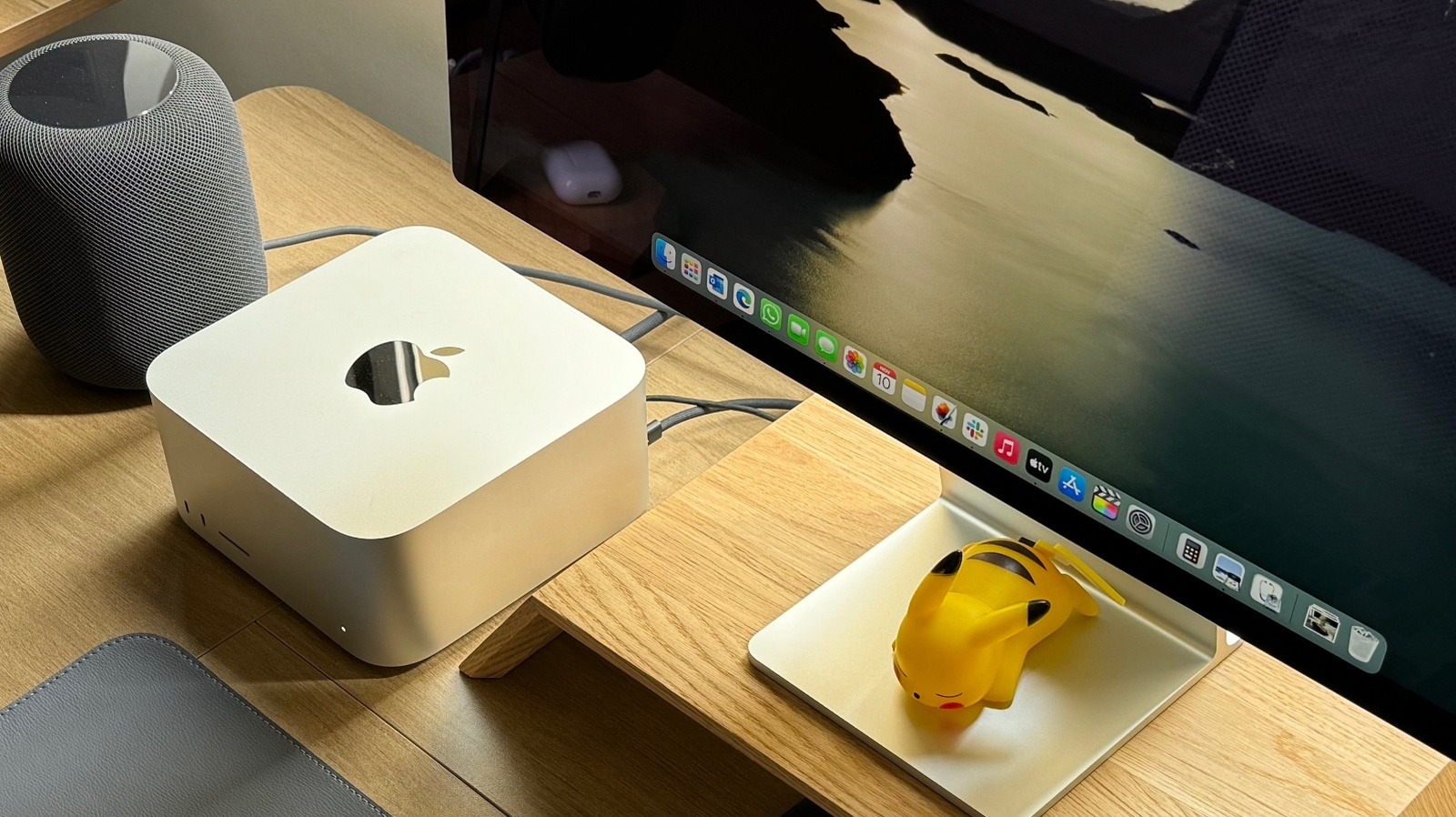
Upgraded RAM Mac Studio and Mac mini configurations face delivery delays of roughly 4–5 months; base Mac Studio (36GB M4 Max) and base Mac mini (M4, 16GB) are estimated at ~1 month. Apple has pulled the 512GB‑RAM Mac Studio option and appears to be conserving memory ahead of anticipated Mac mini/Mac Studio updates around WWDC 2026, amid industry‑wide RAM shortages and recent memory price hikes. Strong demand for low‑cost models (e.g., $599 Mac mini, $599/$799 MacBook Neo options) plus the discontinuation of the Mac Pro create allocation and margin risk — Apple may charge premiums on high‑RAM builds or absorb costs on entry SKUs, pressuring near‑term margins and unit availability.
The immediate second-order beneficiary is the memory supply chain rather than Apple itself: prolonged RAM tightness amplifies pricing power for spot and contract DRAM/NAND vendors, creating a near-term earnings lever that should show up in suppliers’ next 2–4 quarterly results. Apple can capture part of that upside by shifting mix to higher‑ASP configurations and reserving scarce memory for new launches, which lifts per-unit gross margin even while unit shipments may be lumpy.
The principal tail risks are timing and substitution. A rapid front-loaded capacity ramp (new fab modules or aggressive spot-market destocking) can collapse DRAM prices within 3–6 months and reverse current supplier momentum; conversely, continued elevated memory costs through WWDC would force Apple to either pass prices to customers or shrink upgrade options, each with different market reactions. Key catalysts to watch on a weekly-to‑quarterly cadence are DRAM contract-price announcements, Apple's inventory disclosures, and WWDC product SKUs and configurable RAM options.
Consensus framing — that this is just a temporary supply hiccup — misses the strategic optionality Apple has: it can deliberately allocate scarce memory to the highest‑margin products and use constrained availability to push customers to higher‑margin SKUs, preserving revenue per device. That playbook limits downside to Apple’s headline volumes but increases dispersion across suppliers and could create a multi‑quarter window of elevated supplier profitability and repricing opportunities in equities tied to memory and foundry execution.
AI-powered research, real-time alerts, and portfolio analytics for institutional investors.
Request DemoOverall Sentiment
mildly negative
Sentiment Score
-0.25
Ticker Sentiment
